

How to Moisturize Skin During Work from Home
Moisturizing skin during work from home means applying barrier-supporting products at the right times to lock in hydration and counteract the dry indoor air that heating and air conditioning create all day. The skin condition most remote workers deal with is transepidermal water loss (TEWL), the technical term for moisture evaporating through the skin’s outer layer when humidity drops. A targeted daily skin routine for remote workers, built around humectants, emollients, and occlusives, is the most reliable way to prevent dry skin at home and maintain healthy skin texture through every video call and deadline. Products like Lordslovebutter’s whipped beef tallow balm, humidifiers, and ceramide-based creams each play a distinct role in that system.
What causes dry skin during work from home?
Dry skin during remote work is primarily caused by low indoor humidity from heating and air conditioning systems, which strip moisture from the air and accelerate TEWL. When ambient humidity drops below 40%, the skin’s outer barrier loses water faster than it can replenish. This is not a minor inconvenience. Dry indoor air directly damages the skin barrier, leading to tightness, flaking, and in sensitive individuals, eczema flares.
Prolonged screen time adds another layer of stress. Staring at a monitor reduces your blink rate and keeps your face static in front of a heat-emitting screen for hours. Air circulation from HVAC vents, especially when positioned near your desk, compounds the moisture loss. The result is that your skin is working against multiple dehydrating forces simultaneously.
“A humidifier is one of the most underrated skincare tools for anyone spending long hours indoors. It addresses the root cause of dryness rather than just treating the symptoms.” — Dr. Ryan Turner, as cited in a 2026 dermatology report
The key insight here is that moisturizing alone cannot fully compensate for a dry environment. Without controlling ambient humidity, you are refilling a bucket with a hole in it. The most effective skin care tips for remote work always pair product application with environmental adjustments.
Common environmental culprits in a home office include:
- Forced-air heating systems that reduce indoor humidity to 20 to 30 percent in winter
- Central air conditioning that pulls moisture from indoor air in summer
- Direct sunlight through windows, which raises skin temperature and increases water evaporation
- Poor ventilation that concentrates dry, recirculated air around your workspace
How to choose the right moisturizer for your home office
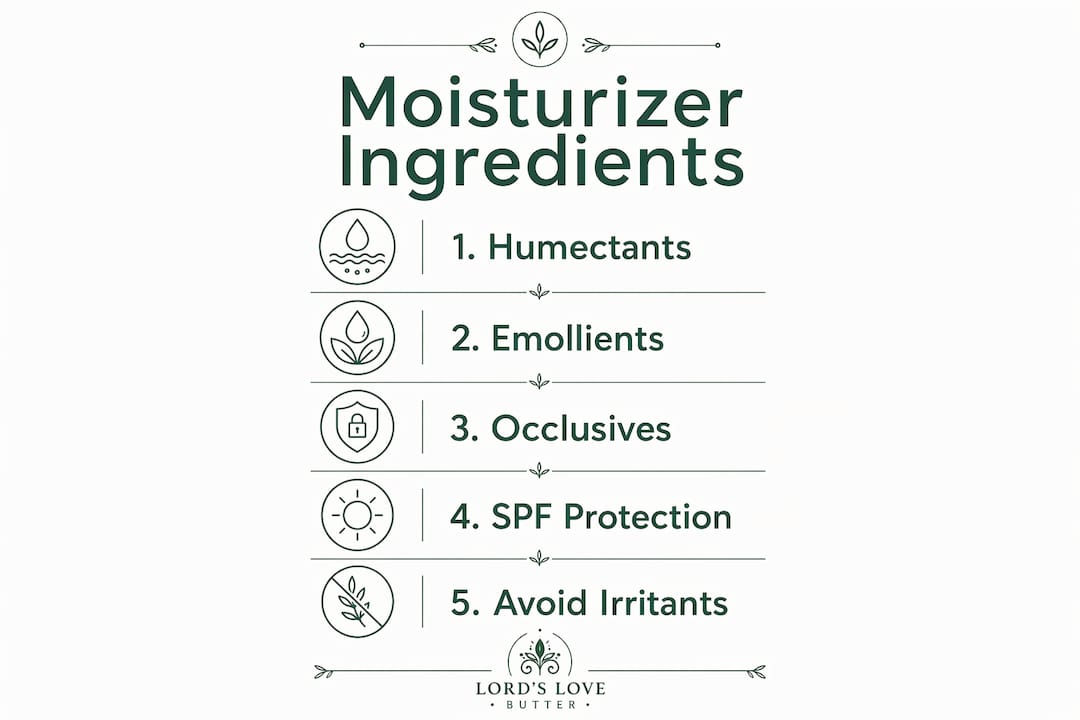
The right moisturizer for a home office combines three ingredient categories: humectants, emollients, and occlusives. Each does a different job, and using all three is the most effective way to stop TEWL in dry indoor settings.
Humectants like glycerin and hyaluronic acid pull water from deeper skin layers and from the air into the outer skin layer. They are the first step in any hydrating routine. Emollients like squalane, shea butter, and fatty acids fill the gaps between skin cells, smoothing texture and reducing roughness. Occlusives like petrolatum, beeswax, and beef tallow form a physical seal over the skin surface to prevent water from escaping.
| Ingredient type | Examples | Primary function |
|---|---|---|
| Humectant | Glycerin, hyaluronic acid, urea | Draws water into the skin |
| Emollient | Squalane, shea butter, ceramides | Softens and smooths skin texture |
| Occlusive | Petrolatum, beeswax, beef tallow | Seals moisture inside the skin |
Lotions contain more water and absorb quickly, making them comfortable for daytime use. Creams are thicker and provide more barrier support, ideal for dry skin types or winter months. Ointments and balms are the most occlusive and work best for severely dry patches, hands, and lips. The best moisturizers for home office use a humectant and occlusive combination and should be applied multiple times daily in dry indoor conditions.
Pro Tip: If you work near a window, apply a broad-spectrum SPF 30 or higher moisturizer in the morning. UVA rays penetrate glass and cause cumulative skin damage even during indoor work hours.
Avoid products with high concentrations of alcohol, synthetic fragrance, or sulfates in your daytime routine. These ingredients disrupt the skin barrier and worsen dryness, especially when your skin is already stressed by dry indoor air.
Best practices for moisturizing skin during work hours
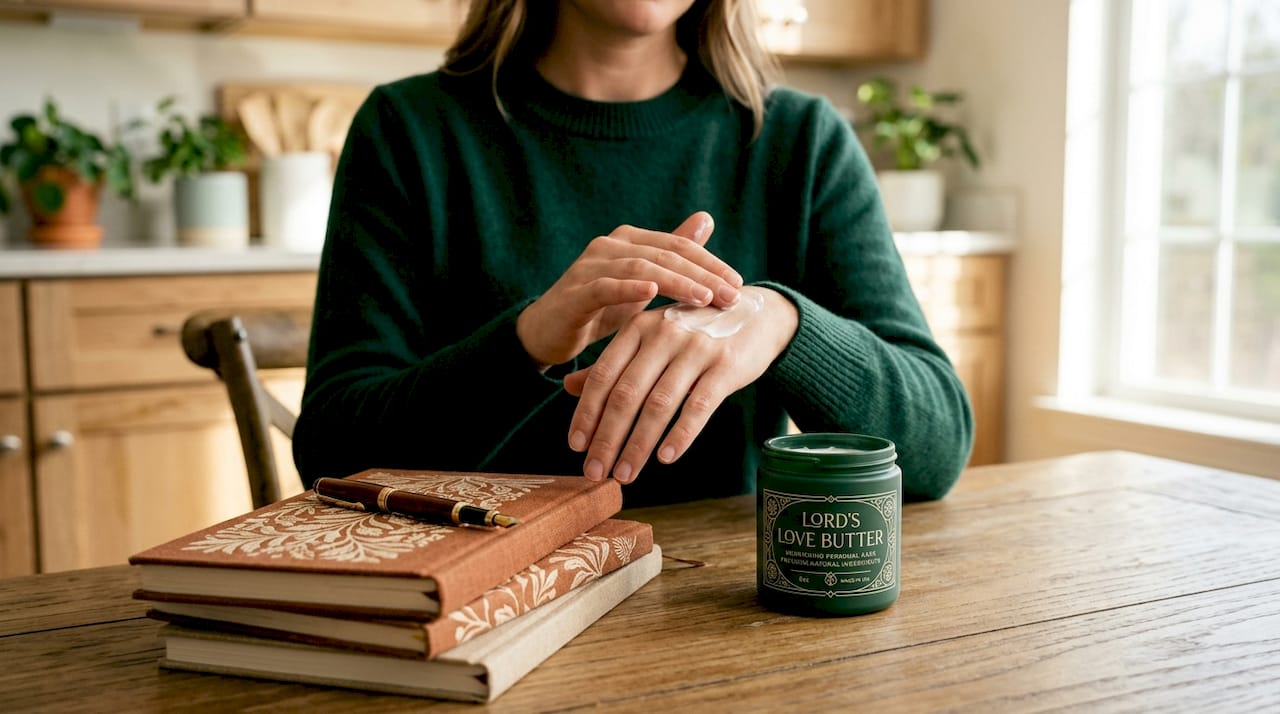
The single most effective technique to hydrate skin while working is applying moisturizer to damp skin immediately after showering. Moisturizing on damp skin traps residual water in the outer skin layer before it evaporates, giving the occlusive ingredients something to seal in. Waiting until skin is completely dry before applying moisturizer reduces its effectiveness significantly.
Here is a practical morning-to-evening routine built for remote workers:
- Shower with lukewarm water. Hot water strips natural oils from the skin. Keep showers under 10 minutes.
- Pat skin dry, leaving it slightly damp. Do not rub. Friction irritates the skin barrier.
- Apply a hydrating serum first. A hyaluronic acid serum on slightly damp skin layers moisture effectively before your moisturizer seals it in.
- Follow immediately with your moisturizer or balm. Apply within 60 seconds of the serum while skin is still damp.
- Set a desk humidifier to 40 to 60 percent humidity. This is the range dermatologists recommend for skin comfort and barrier health.
- Keep a small hydration kit at your desk. A face mist and a hand balm allow you to respond to dryness signals without disrupting your workflow.
- Reapply only when your skin signals it. Responsive moisturizing during the workday, rather than scheduled reapplication every hour, prevents product buildup and irritation.
Pro Tip: If dryness persists despite your regular moisturizer, switch to a richer cream or an occlusive balm rather than adding more product layers. Richer formulas outperform layering when the barrier is compromised.
The most common mistake remote workers make is over-exfoliating. Exfoliating more than once or twice a week removes the protective outer skin cells that retain moisture. Over-exfoliating worsens dryness and creates a cycle of irritation that no moisturizer can fully correct. Simplify your routine before adding products.
Supplementary habits that keep skin hydrated all day
A strong daily skin routine for remote workers extends beyond product application. Environmental control, internal hydration, and gentle cleansing habits all contribute to how well your skin retains moisture through an eight-hour workday.
The habits that make the biggest difference are straightforward:
- Run a desk humidifier. Set it to 40 to 60 percent relative humidity. A small ultrasonic humidifier placed within three feet of your workspace delivers the most direct benefit to facial skin.
- Drink water consistently. Internal hydration supports skin cell function, though it does not directly replace topical moisturizing. Aim for at least eight 8-ounce glasses daily.
- Switch to a gentle, fragrance-free cleanser. Harsh cleansers strip the skin’s natural lipid barrier. Brands like Vanicream and CeraVe offer fragrance-free options designed for sensitive and dry skin.
- Protect your lips and hands. These areas have fewer oil glands and dry out faster. An occlusive balm applied to hands after washing and to lips before long calls prevents cracking.
- Adjust your routine seasonally. Winter heating demands richer occlusives. Summer air conditioning calls for lighter creams with strong humectants.
| Season | Primary challenge | Recommended adjustment |
|---|---|---|
| Winter | Very low indoor humidity from heating | Switch to cream or balm, add occlusive layer |
| Summer | AC-driven moisture loss | Use lightweight cream with hyaluronic acid |
| Spring/Fall | Variable humidity | Monitor skin and adjust product weight |
Avoid long, hot showers regardless of season. Hot water dissolves the skin’s natural oils faster than lukewarm water and leaves the barrier weakened before you even apply your first product. This single habit change delivers noticeable improvement in skin texture within one to two weeks for most people.
Key takeaways
Effective skin hydration during remote work requires combining barrier-supporting products applied to damp skin, a humidifier set to 40 to 60 percent humidity, and a simplified routine that responds to your skin’s signals rather than a rigid schedule.
| Point | Details |
|---|---|
| Apply to damp skin | Moisturize within 60 seconds of showering to lock in residual water before it evaporates. |
| Use all three ingredient types | Pair a humectant serum with an emollient and occlusive moisturizer for full barrier support. |
| Control your environment | A desk humidifier set to 40 to 60 percent humidity reduces TEWL at the source. |
| Respond, don’t schedule | Reapply moisturizer only when skin signals dryness to avoid irritation from overuse. |
| Simplify before adding | If dryness persists, switch to a richer formula rather than stacking more product layers. |
What I’ve learned from years of watching people get this wrong
Most remote workers I’ve spoken with approach skin hydration the same way they approach productivity: more is better. They buy five products, apply them on a schedule, and wonder why their skin still feels tight by 2 p.m. The problem is almost never the number of products. It’s the environment and the timing.
The single change that produces the most visible results is the humidifier. I’ve seen people spend $80 on a new moisturizer when a $30 humidifier would have solved 70 percent of their problem. Dry air is the cause. Moisturizer is the patch. You need both, but the order of priority matters.
I’m also skeptical of the “10-step routine” culture that has taken hold in skincare content. For remote workers, a three-step routine applied correctly and consistently outperforms a complex routine applied inconsistently. Cleanser, serum, moisturizer. That’s the core. Everything else is optional.
One thing I’ve noticed that rarely gets mentioned: product texture matters more during long workdays than most people admit. A heavy, greasy moisturizer that feels fine for 20 minutes becomes uncomfortable after four hours at a desk. This is where whipped or balm-style formulas earn their place. They absorb well enough to feel comfortable but provide the occlusive coverage that keeps skin hydrated through a full workday. Lordslovebutter’s whipped beef tallow balm is a good example of this format done right. It sits on the skin without the tackiness that heavier petroleum-based products create.
The last thing I’d say: pay attention to your skin’s feedback. If your skin feels tight an hour after moisturizing, your formula is not occlusive enough. If it feels congested or breaks out, your formula is too heavy for your skin type. Adjust one variable at a time, and give each change two weeks before evaluating.
— Michael
Keep your skin hydrated with Lordslovebutter
Remote work puts your skin in a constant battle against dry indoor air, and the products you keep at your desk make a real difference.
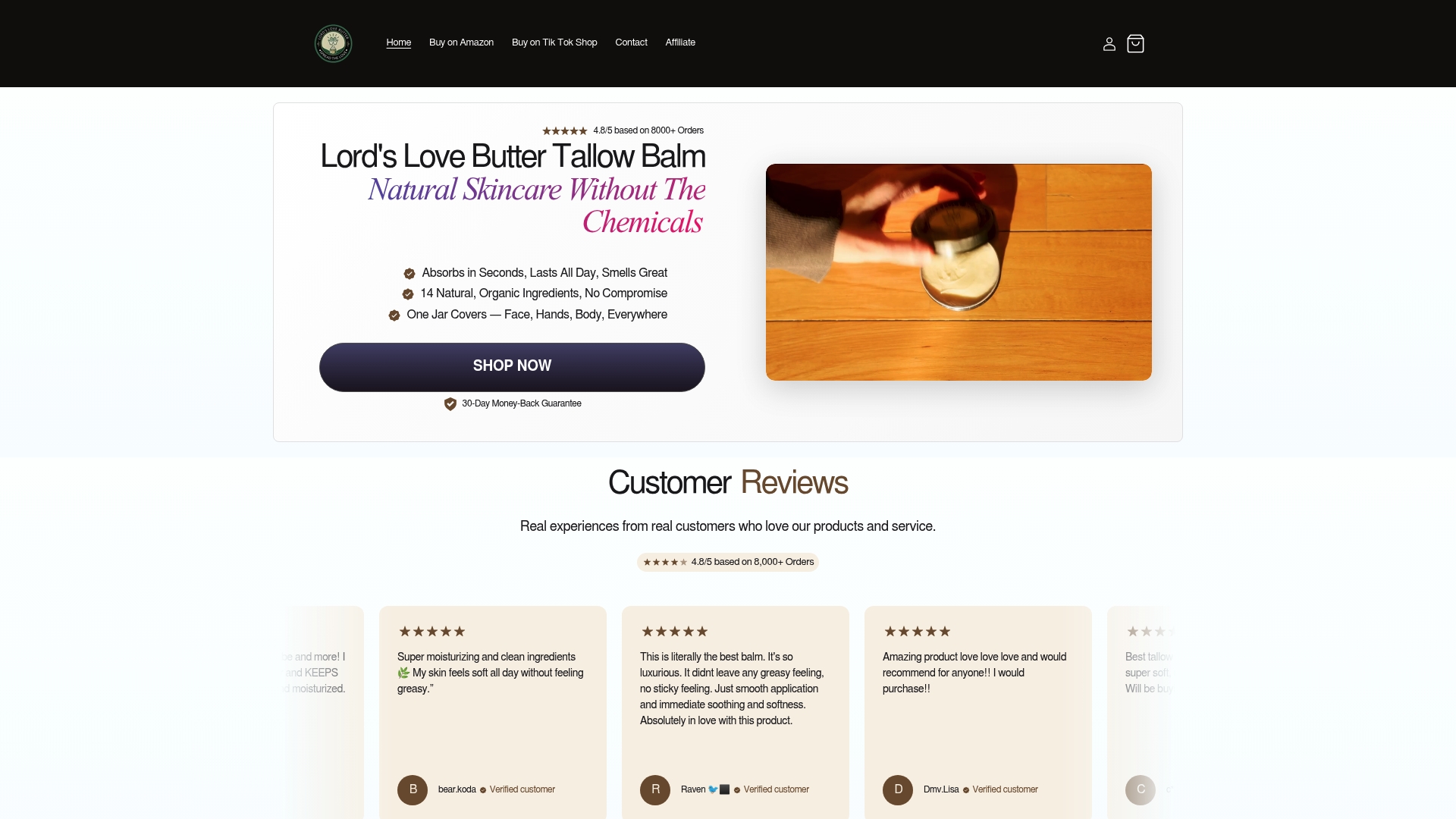
Lordslovebutter’s whipped beef tallow balm is formulated from grass-fed beef tallow and Manuka honey, two ingredients that deliver both occlusive barrier protection and natural antimicrobial support. It contains no synthetic chemicals, making it a strong fit for remote workers with sensitive skin, eczema, or psoriasis who need reliable hydration without irritation. The whipped texture absorbs without a greasy residue, which means you can apply it at your desk and get back to work immediately. Customers report improved skin texture within days of consistent use. If you want to cover both desk and shower use, the tin and jar bundle gives you one for each location without doubling your cost.
FAQ
How often should I moisturize while working from home?
Apply moisturizer once in the morning on damp skin after showering, then reapply only when your skin signals dryness during the day. Responsive application prevents irritation from overuse better than a fixed hourly schedule.
What ingredients should I look for in a home office moisturizer?
Look for a combination of a humectant like glycerin or hyaluronic acid, an emollient like ceramides or squalane, and an occlusive like petrolatum or beef tallow. This three-category approach addresses TEWL directly and supports barrier repair in dry indoor conditions.
Does a humidifier actually help with skin dryness at home?
Yes. A humidifier set to 40 to 60 percent relative humidity reduces the rate at which skin loses water to dry indoor air. Dermatologists cite it as one of the most effective environmental tools for preventing dry skin caused by heating and air conditioning.
Should I wear sunscreen indoors while working from home?
Apply broad-spectrum SPF 30 or higher if your desk is near a window. UVA rays penetrate glass and cause cumulative skin damage during indoor work hours, even on overcast days.
Can I use a beef tallow balm as my primary moisturizer?
Yes. Beef tallow is a natural occlusive that seals moisture into the skin and contains fatty acids compatible with the skin’s own lipid structure. It works well as a primary moisturizer for dry and sensitive skin types, particularly when applied to slightly damp skin after cleansing.

