

One Balm, Fewer Products: Simplify Your Skincare Routine
A multi-use balm is a versatile skincare product designed to replace several hydrating, protective, and cleansing items in your daily routine with a single formula. Products like Demain Beauty’s French Magic Balm and Wonderskin’s Beyond Clean Melt-It-All Cleansing Balm have proven that one well-formulated balm can genuinely do the work of many. The appeal is real: fewer bottles, less spending, and a routine that takes minutes instead of half an hour. This guide explains how a multi-use balm can replace multiple products, which items you can cut, and how to use it without sacrificing skin health.
How does a multi-use balm replace multiple skincare products?
A multi-use balm replaces multiple products by performing three core functions: sealing moisture, protecting the skin barrier, and in some cases, dissolving makeup and grime. The industry term for this category is “multi-purpose ointment,” though “all-in-one balm” is the phrase most people search for. Understanding the difference between the two main types, leave-on and rinse-off, is the most important thing you can learn before buying one.
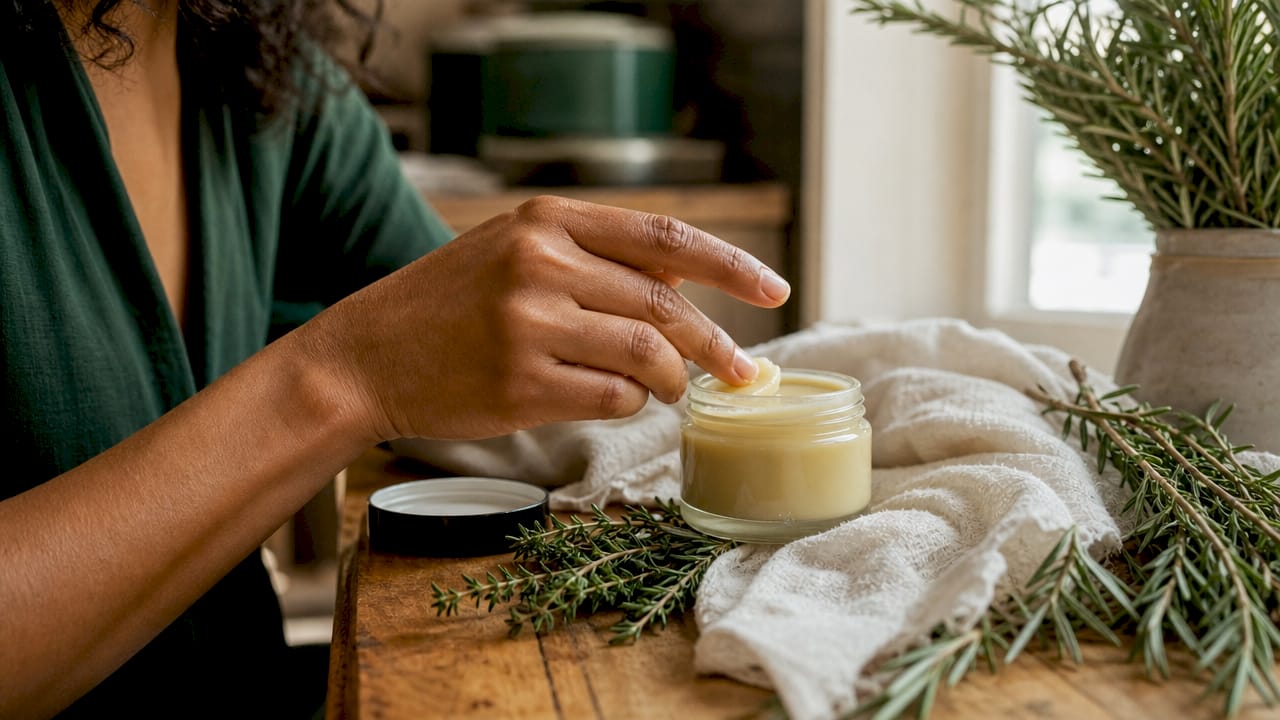
Leave-on balms act as occlusives. They form a physical barrier on the skin surface that reduces moisture loss rather than adding water to the skin. This means they work best layered over a moisturizer, not instead of one. Bobbi Brown’s Miracle Balm, for example, is designed to be applied after moisturizer with a 60-second wait, then pressed into the driest zones.
Rinse-off cleansing balms work differently. Wonderskin’s Beyond Clean Melt-It-All Cleansing Balm dissolves longwear makeup, SPF, sebum, and dirt in a single step, replacing a separate makeup remover and first cleanser. It is used in the morning for a quick refresh and at night for full makeup removal.
The key ingredients in most balms are oils, butters, and waxes. These create the occlusive film that locks hydration in place. Some formulas, like Demain Beauty’s French Magic Balm, offer up to 11 distinct actions including overnight mask, hair mask, and targeted spot treatment, all from one product.
- Leave-on balms seal and protect without rinsing
- Cleansing balms dissolve makeup and debris, then rinse clean
- Both types replace specific products but serve different steps in a routine
- Balm formulas built on oils and butters provide lasting barrier protection
Pro Tip: Never use a rinse-off cleansing balm as a leave-on moisturizer. The formulas are built for different purposes, and mixing up the two modes is the most common mistake people make when switching to an all-in-one balm.
Which products can a multi-use balm realistically replace?
A well-chosen all-in-one balm can cut your product count significantly, but it works within limits. Knowing exactly which items it replaces prevents frustration and keeps your skin healthy through the transition.
Here are the products a leave-on multi-use balm can realistically replace:
- Lip balm. A rich balm applied during the day seals moisture and maintains softness, doing exactly what a dedicated lip balm does.
- Hand cream. Balms applied to hands after washing provide the same barrier protection as a standard hand lotion.
- Cuticle treatment. A small amount pressed into the cuticle line replaces cuticle oil or cream entirely.
- After-sun balm. The soothing, occlusive properties of a quality balm calm irritated skin after sun exposure.
- Light body moisturizer. On areas that need only light coverage, a balm applied over damp skin locks in enough moisture to skip a separate body lotion.
- Shaving balm. Applied before or after shaving, a balm softens skin and reduces irritation without needing a separate product.
- First cleanser or makeup remover. A rinse-off cleansing balm replaces both a micellar water and a first-step cleanser in a double-cleanse routine.
What a multi-use balm does not replace: dedicated treatment serums, active ingredient products like retinol or vitamin C, and full moisturizers for people with very dry skin. The occlusive function of a balm seals what is already there. If your skin is dehydrated, you still need a water-based moisturizer underneath.
Pro Tip: Apply your balm to slightly damp skin. The moisture already on the surface gives the occlusive layer something to lock in, which makes a noticeable difference in how long the hydration lasts.
How to incorporate a multi-use balm into your daily routine
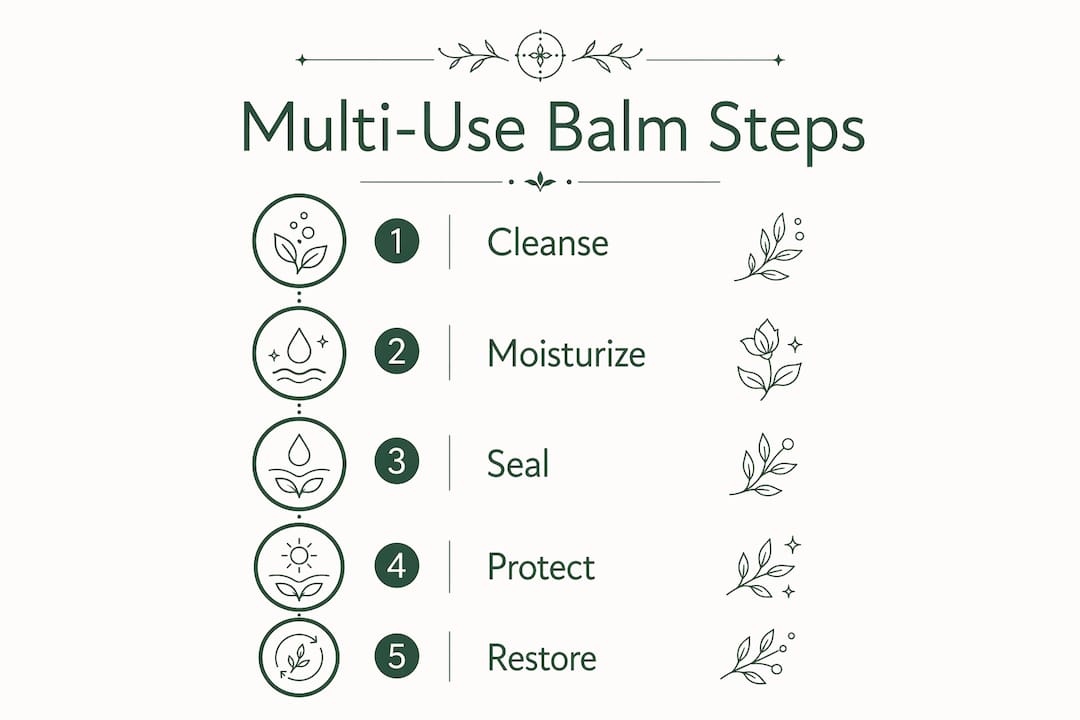
Using a versatile skincare product well comes down to timing, placement, and quantity. The steps below work for a leave-on balm used across face, lips, hands, and body.
| Time of Day | Application Zone | Method |
|---|---|---|
| Morning | Lips, hands, dry patches | Press a pea-sized amount into skin after washing |
| Morning | Over makeup primer | Layer thinly after moisturizer, wait 60 seconds |
| Evening | Full face as overnight mask | Apply a slightly thicker layer over moisturizer before bed |
| Evening | Cuticles and hands | Rub in generously before sleep for overnight repair |
| Weekly | Hair ends and scalp | Apply 30–60 minutes before shampooing as a pre-wash mask |
Follow these steps for the best results:
- Cleanse first. Always start with clean skin. If you use a cleansing balm, massage it into dry skin, then rinse with warm water.
- Apply your moisturizer. For leave-on balms, a hydrating moisturizer goes on first. The balm seals it in.
- Wait 60 seconds. Letting the moisturizer absorb slightly before applying the balm prevents pilling and improves adhesion.
- Press, don’t rub. Use fingertips to press the balm into skin rather than rubbing. This distributes it evenly without dragging.
- Use sparingly near the eyes. A tiny amount on the orbital bone is fine, but avoid direct eyelid contact unless the formula is specifically designed for that area.
- Reapply to lips and hands as needed. These areas lose moisture faster and benefit from reapplication throughout the day.
For whole-body application, the same balm can move from face to hands to feet without switching products. That is the core efficiency gain of a balm for skincare.
Common mistakes and cautions when using multi-use balms
The biggest mistake people make with a multi-purpose ointment is expecting it to fully hydrate skin on its own. Occlusives reduce transepidermal water loss, but they do not add water to the skin. If you apply a balm to dry, dehydrated skin without a moisturizer underneath, you are sealing in dryness, not fixing it.
A second common error is using a rinse-off cleansing balm as a leave-on hydrator. These formulas are built to emulsify and rinse clean. Leaving them on the skin can cause congestion, breakouts, or irritation. Always check the label before changing how you use a product.
- Clogged pores: Applying too much balm to oily or acne-prone zones can block follicles. Use a thin layer and focus on dry patches.
- Insufficient hydration: Balm alone on very dry skin will not solve the problem. Layer it over a water-based moisturizer.
- Eye area irritation: Eyelid skin is thinner and more reactive than the rest of the face. Less is more on eyelids, especially during any inflammation.
- Ingredient sensitivity: Some balms contain fragrance, essential oils, or nut-derived butters that trigger reactions. Choose a clean formula with no parabens, silicones, mineral oils, or synthetic fragrances if you have sensitive skin.
- Transition impatience: Switching from five products to one takes adjustment time. Give your skin two to three weeks before judging results.
“Less is more on eyelids. Avoid layering multiple products during inflammation.” — Peep Club, Eyelid Eczema & Dermatitis: What Actually Helps (2026)
Patience and proper ingredient awareness are the two factors that determine whether your transition to a multi-use balm succeeds or stalls.
Key Takeaways
A multi-use balm replaces multiple products most effectively when used as a sealing layer over moisturizer, not as a standalone hydration source.
| Point | Details |
|---|---|
| Balms seal, not hydrate | Apply over a moisturizer to lock in water; balms alone do not add hydration. |
| Know your balm type | Leave-on and rinse-off cleansing balms serve different steps and cannot be swapped. |
| Realistic replacements | Lip balm, hand cream, cuticle treatment, light body lotion, and makeup remover are all fair targets. |
| Eye area caution | Use minimal product near eyelids and choose simple, fragrance-free formulas for sensitive zones. |
| Transition takes time | Allow two to three weeks for skin to adjust before evaluating results from your new routine. |
Why I think most people overcomplicate the switch to one balm
I have watched the skincare world cycle through minimalism trends for years, and the resistance to cutting products is almost always the same. People worry they will lose something. The honest truth is that most of us are using three or four products that do nearly identical things, and we do not notice because the redundancy feels like thoroughness.
What actually changed my thinking was paying attention to where each product was doing real work. A lip balm, a hand cream, and a cuticle oil are all occlusives with slightly different textures. One good balm covers all three. The products that cannot be replaced are the ones doing chemistry on your skin: retinoids, acids, vitamin C. A balm does not do chemistry. It does protection.
The other thing I have learned is that skin type matters more than marketing. A balm built on grass-fed beef tallow, like what Lordslovebutter makes, behaves differently on skin than a petroleum-based balm or a synthetic butter formula. Tallow is structurally similar to human sebum, which is why it absorbs without the greasy residue that makes people abandon balms after a week. If you have tried a balm before and hated the texture, the formula was probably the problem, not the concept.
My advice: start with one zone. Replace your hand cream and cuticle oil with a single balm for two weeks. If that works, move to lips. Build from there. The people who try to replace everything at once usually quit by week two.
— Michael
Lordslovebutter: one balm for your whole routine
Lordslovebutter makes a whipped beef tallow balm crafted from grass-fed beef tallow and Manuka honey, with no synthetic chemicals, parabens, or artificial fragrances. It is designed for whole-body use: face, lips, hands, cuticles, and dry patches anywhere on the body.
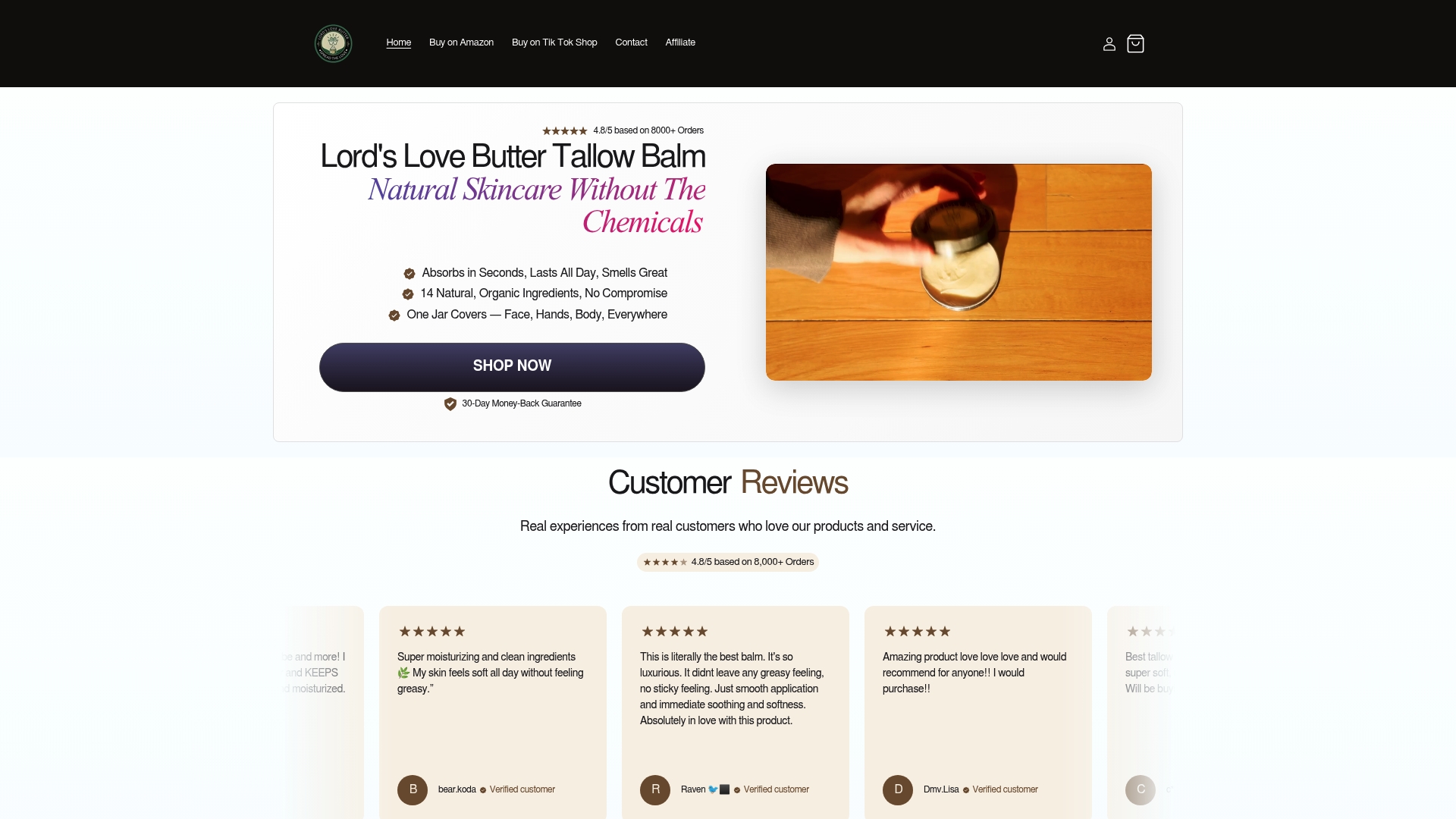
Customers with eczema and psoriasis report improved skin texture within days, and the formula absorbs without leaving a greasy film. As a veteran-owned business, Lordslovebutter puts natural ingredients first and keeps the formula short on purpose. The 2.4 oz tin is their top-selling option for people ready to replace multiple products with one honest balm.
FAQ
What is a multi-use balm?
A multi-use balm is a thick, occlusive formula that protects the skin barrier, seals in moisture, and in some versions dissolves makeup. It is designed to replace several single-purpose products like lip balm, hand cream, and cuticle oil.
Can a balm fully replace my moisturizer?
A balm is not a full moisturizer replacement for most skin types. Occlusives seal existing moisture but do not add water to the skin, so a water-based moisturizer underneath is still needed for adequate hydration.
Is a cleansing balm the same as a leave-on balm?
No. Cleansing balms are rinse-off formulas that dissolve makeup and debris. Leave-on balms are protective and hydrating. Using one in place of the other causes either inadequate cleansing or skin congestion.
Are multi-use balms safe for sensitive skin?
Most are, provided the formula avoids synthetic fragrances, parabens, and mineral oils. Clean formulas with short ingredient lists, like those built on grass-fed tallow or plant butters, are the safest starting point for reactive skin.
How long before I see results from switching to one balm?
Most people notice improved skin texture and reduced dryness within two to three weeks. Skin needs time to adjust when you remove multiple products from a routine, so consistency during that window matters.

