
Use a broad-spectrum lotion as your main sunscreen and switch to a balm or stick for touch-ups. Lotion spreads evenly enough to reliably hit the labeled SPF, following the FDA dosing standard, while a balm like Lord’s Love Butter’s zinc stick works best for reapplying over makeup, on lips, or on dry patches, matching AAD reapplication advice. Combine both and reapply every two hours or right after swimming.
TL;DR:
- Balm or stick sunscreens typically contain no water, making them more resistant to sweat and water contact than lotions.
- Use lotion for your initial application over large areas and balms or sticks for quick touch-ups on small or textured areas.
- Reapply sunscreen every two hours, using enough product to meet the 2 milligrams per square centimeter standard, which most people do not naturally reach.
- Mineral filters like zinc oxide work well with sensitive, dry, or eczema-prone skin and are commonly found in balms made with occlusive ingredients like tallow.
- Anhydrous balms last longer and are more stable with heat, while water-based lotions require more careful storage to prevent breakdown and contamination.
Table of Contents
- Formulation differences: what makes a balm or stick different from a lotion
- When to choose lotion, when to choose balm or stick
- How to apply sunscreen correctly for either format
- Ingredient and skin-sensitivity considerations
- Storage and shelf life differences between the two formats
- What years of watching people misuse sunscreen taught me
- A moisturizing option for reapplication and dry skin
- Sources
- FAQ
Formulation differences: what makes a balm or stick different from a lotion
A sunscreen balm or stick is built on an anhydrous base, meaning it contains no water. Waxes, butters, and oils hold the active ingredients in a solid or semi-solid matrix that melts slightly against warm skin. A lotion, by contrast, is a water-based emulsion, blending oil and water with emulsifiers so it glides on thin and absorbs faster.
The format itself doesn’t determine how well a sunscreen protects you. Both balms and lotions can carry the same mineral filters, such as zinc oxide, or the same chemical filters. The FDA’s OTC monograph lists lotion, cream, stick, and butter as allowed dosage forms, and it applies the same active-ingredient rules across all of them. What changes is how the product behaves once it’s on your skin.
- Spreadability: Lotion covers large areas quickly with minimal friction, which makes even application easier across the arms, legs, and torso.
- Cosmetic finish: Balms tend to leave a slightly waxier, more visible finish, while lotions usually absorb to a matte or satin look.
- Water and sweat resistance: The anhydrous structure of a balm resists wiping and water contact somewhat better than a thin lotion film.
- Residue: Balms can feel tackier right after application, especially in humid weather, before they set into the skin.
None of these traits make one format inherently more protective. They just make each one better suited to a different job, which is the whole point of pairing them. For a closer look at what separates the two textures on a molecular level, see this explainer on whipped balm versus lotion.
When to choose lotion, when to choose balm or stick
Think of format choice as a decision about the job at hand, not a debate over which is “better” in the abstract. Dermatologists interviewed for Prevention note that lotion is easier to spread for full coverage, while sticks shine for quick touch-ups but get under-applied more often in real use.
- Use lotion for your first application of the day. It spreads consistently over large skin areas, which helps you actually reach the SPF printed on the bottle.
- Use a balm or stick for reapplication over makeup. You avoid smearing foundation while still layering on protection.
- Reach for balm on lips, ears, and your hairline. These small, textured areas are easier to hit with a solid swipe than a runny lotion.
- Choose balm when your skin runs dry or eczema-prone. The heavier, waxier base adds moisture that a thin lotion may not.
- Pick lotion when you want a barely-there finish. It typically leaves less of a sheen or white cast than a thick balm.
Pro Tip: Keep a travel-size balm in your bag or car for reapplication, and save the lotion bottle for your morning routine at home.
Makeup wearers often find that a balm swiped over the cheekbones and nose bridge holds up better through the afternoon than trying to layer more lotion on top of a full face of product.
How to apply sunscreen correctly for either format
The label’s SPF number is only meaningful if you apply enough product. Labs test sunscreen at 2 milligrams per square centimeter of skin, which is far more than most people actually use, and that gap is the biggest reason sunscreen underperforms in daily life.
The AAD translates that lab standard into home-measurable amounts: roughly enough to fill a shot glass for the whole body, and about a teaspoon’s worth, or the length of two fingers, for the face and neck.
- Measure your amount before applying rather than guessing by feel.
- Spread it in even strokes and let it absorb for a few minutes before dressing or applying makeup.
- Reapply approximately every two hours, and promptly after swimming, heavy sweating, or toweling off.
- With a stick or balm, swipe four or five times over each area, then rub in with your fingers to make sure it’s not sitting on top of the skin.
- Layer a balm over your lotion at midday touch-up time rather than trying to reapply a full lotion coat over makeup.
A peer-reviewed review found that people typically apply only about 0.5 mg per square centimeter of sunscreen, a fraction of the 2 mg per square centimeter used in testing. That shortfall means real-world protection often runs well below the number on the label, regardless of format.
Ears, temples, the back of the neck, and the part in your hair are the areas people miss most often. For lips specifically, a dedicated SPF lip balm is easier to reapply through the day than trying to dab lotion onto your mouth.
Ingredient and skin-sensitivity considerations
Mineral filters like zinc oxide and titanium dioxide, and chemical filters like avobenzone, both show up in lotions and balms alike, so the active ingredient list tells you more than the texture does. Mineral filters tend to suit sensitive and acne-prone skin better since they sit on top of the skin rather than absorbing into it.
- Dry or eczema-prone skin often benefits from an anhydrous, wax-based balm, since the occlusive structure of ingredients like beef tallow or shea butter can support barrier repair.
- Acne-prone skin should look for fragrance-free, non-comedogenic labeling regardless of format, since a heavy occlusive balm can trap oil in already-congested pores.
- Sensitive skin generally tolerates mineral filters better than chemical ones, in either a lotion or a balm base.
Lord’s Love Butter’s tallow sun balm with zinc oxide is built around this logic, pairing a mineral filter with a moisturizing tallow base aimed at dry or sensitive skin that struggles with typical lotions. For more on how a tallow base interacts with zinc oxide as an active, see this breakdown of tallow and zinc sunscreen.
Storage and shelf life differences between the two formats
Anhydrous balms generally hold up longer once opened, since they contain no water to support bacterial or fungal growth and no emulsion to break down over time. A well-made balm stored in a cool, dry spot can stay stable for many months past opening, though it’s still worth checking the product’s printed expiration date.
Lotions, being water-based emulsions, are more vulnerable to temperature swings and contamination. Heat can separate the oil and water phases, leaving a gritty or runny texture that no longer spreads or protects the way it did fresh. Leaving a lotion bottle in a hot car or a sun-baked beach bag is one of the fastest ways to shorten its usable life.
Both formats should be kept out of direct sun and away from prolonged heat exposure. A balm’s solid structure makes it more forgiving in a gym bag or glove compartment, while a lotion bottle is better suited to a bathroom shelf or a cooler on hot days. If a lotion looks separated, smells off, or feels different from when you bought it, it’s time to replace it rather than risk under-protection.

What years of watching people misuse sunscreen taught me
Most sunscreen failures I’ve seen have nothing to do with brand or format. They come down to people buying one bottle and expecting it to handle every situation, from a beach day to a five-minute reapplication over makeup. A lotion and a balm solve different problems, and treating them as competitors misses the point entirely.
Here’s a quick checklist before you head out the door:
- Primary format: lotion, applied first and in full amount.
- Coverage amount: measured, not eyeballed.
- Reapplication plan: a portable balm or stick in your bag.
- Skin-type adjustment: heavier balm for dry or eczema-prone areas.
- Observation: check for peeling, tightness, or breakouts and adjust format accordingly.
Customers of ours have reported that a tallow-based balm settles into rough, dry patches faster than a typical lotion, though results vary by skin type.
— Michael
A moisturizing option for reapplication and dry skin
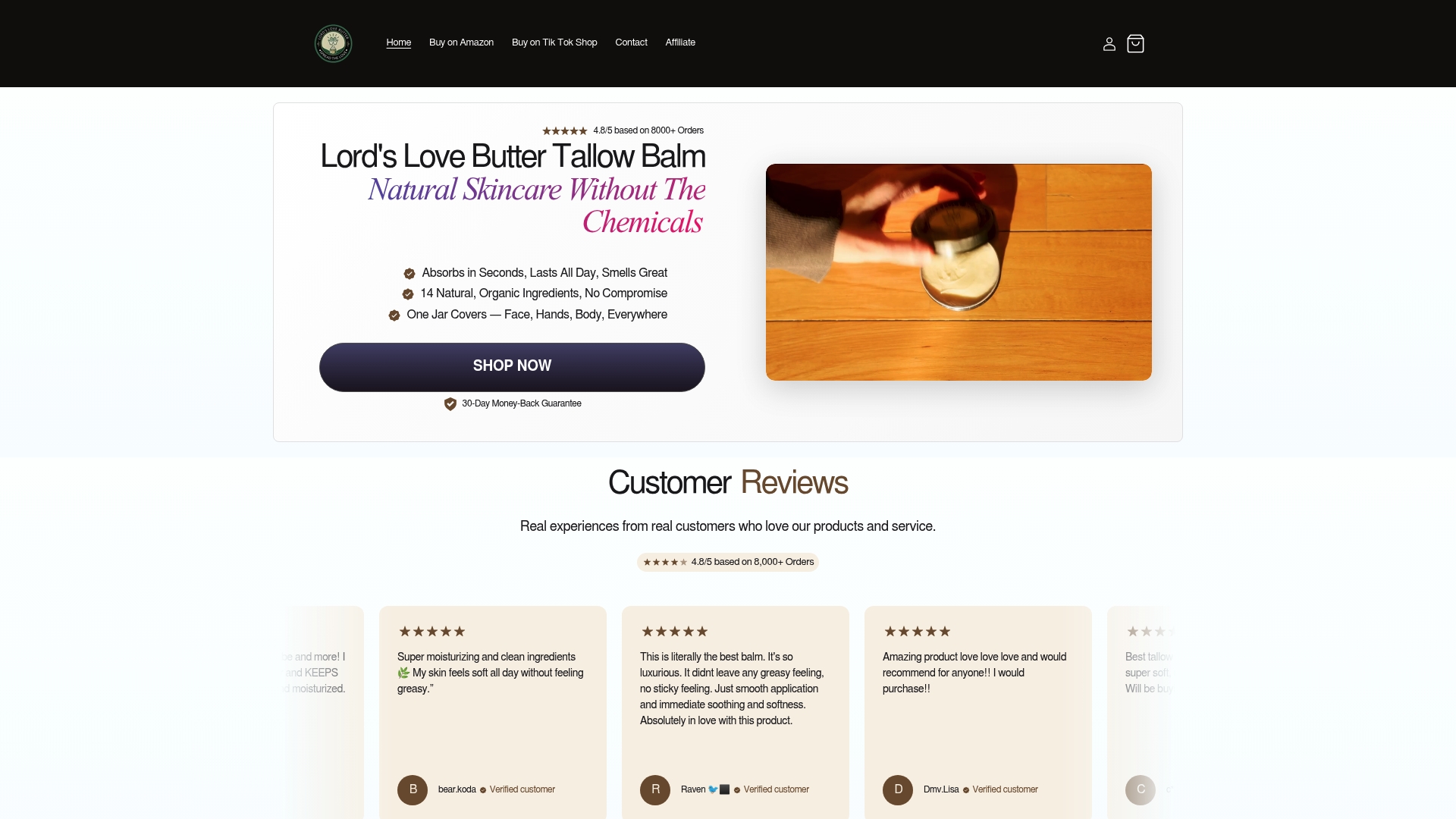
This stick is designed for people whose skin doesn’t tolerate typical lotions well, and some users have reported softer, better-hydrated skin within days of switching. If your skin also needs deeper barrier support between sun exposure, a product like BYOMA Barrier Boost Essence can complement your routine.
| Product | Best for | Format |
|---|---|---|
| Beef Tallow Sun Balm Stick with Zinc Oxide | Reapplication, dry or sensitive skin | Balm stick |
| Whipped Beef Tallow Balm with Manuka Honey & Propolis | Daily hydration and barrier repair | Whipped balm |
| Mint Tallow Lip Balm | Lip protection and relief | Lip balm stick |
Browse the full collection to find the right fit for your routine.
This article is general information, not a substitute for advice from a qualified doctor. Consult a qualified healthcare professional about your own circumstances before acting on anything here.
Sources
- American Academy of Dermatology — Understand sunscreen labels
- FDA OTC Monograph M020 final order (dosage forms and active ingredients)
- Peer-reviewed review on sunscreen application, dose-response, and coverage (PMC)
- Prevention — Sunscreen sticks vs liquid sunscreen (expert interviews)
FAQ
Which sunscreen ingredients should you avoid?
There’s no single ingredient every dermatology body tells everyone to avoid, since tolerance varies by skin type. Check the FDA’s list of approved active ingredients and patch-test new formulas, especially if you have sensitive or reactive skin.
Is balm or lotion better for sun protection?
Neither format is inherently better since both can carry the same active ingredients. Lotion is easier to spread evenly for your main application, while a balm or stick works well for reapplication, according to dermatologists interviewed by Prevention.
Can you skip moisturizer and just wear sunscreen?
Sunscreen alone can leave dry or sensitive skin under-moisturized, since most formulas prioritize UV filtering over hydration. A balm-based sunscreen with ingredients like tallow or shea butter can double as light moisture, but very dry skin may still benefit from a separate moisturizer underneath.
Is SPF 50 too strong for everyday use?
SPF 30 is commonly recommended for daily wear and offers strong UVB filtering. The AAD recommends broad-spectrum SPF 30 or higher for daily use, reapplied every two hours regardless of the number on the bottle.