

Whipped Balm vs Lotion: What Actually Differs
A whipped balm is a water-free, fat-rich occlusive that seals and protects the skin barrier. A lotion is a water-based emulsion that delivers quick, humectant-driven hydration. Those two sentences cover the core of how whipped balm differs from lotion, and everything else is just knowing which one your skin needs right now.
Pick a whipped balm when your skin is cracked, very dry, or recovering from barrier damage, especially in cold or windy weather. Reach for a lotion when you want fast, all-over hydration that absorbs without heaviness, particularly in warmer months or on oily and combination skin. Lotions contain a high percentage of water, while a well-formulated balm can meaningfully reduce transepidermal water loss (TEWL) by creating a physical seal over the skin surface.
Table of Contents
- What is whipped balm and how is it made?
- How lotion hydrates your skin
- Whipped balm vs lotion: a head-to-head comparison
- Who should use a whipped balm vs a lotion?
- How to apply whipped balm for the best results
- Does whipping a balm change how well it moisturizes?
- What ingredients should you check on the label?
- When should you choose a balm, and when a lotion?
- Key Takeaways
- The case for going fat-first
- Lordslovebutter whipped beef tallow balm with Manuka honey
- Useful sources
What is whipped balm and how is it made?
Whipped balm starts with the same fat-rich, anhydrous base as a traditional balm. “Anhydrous” simply means water-free. The whipping process melts the oils and butters together, lets the mixture cool to a semi-solid state, then aerates it, folding in air until the texture becomes light and cloud-like. The result looks and spreads more like a mousse than a stick balm, but the underlying chemistry has not changed.
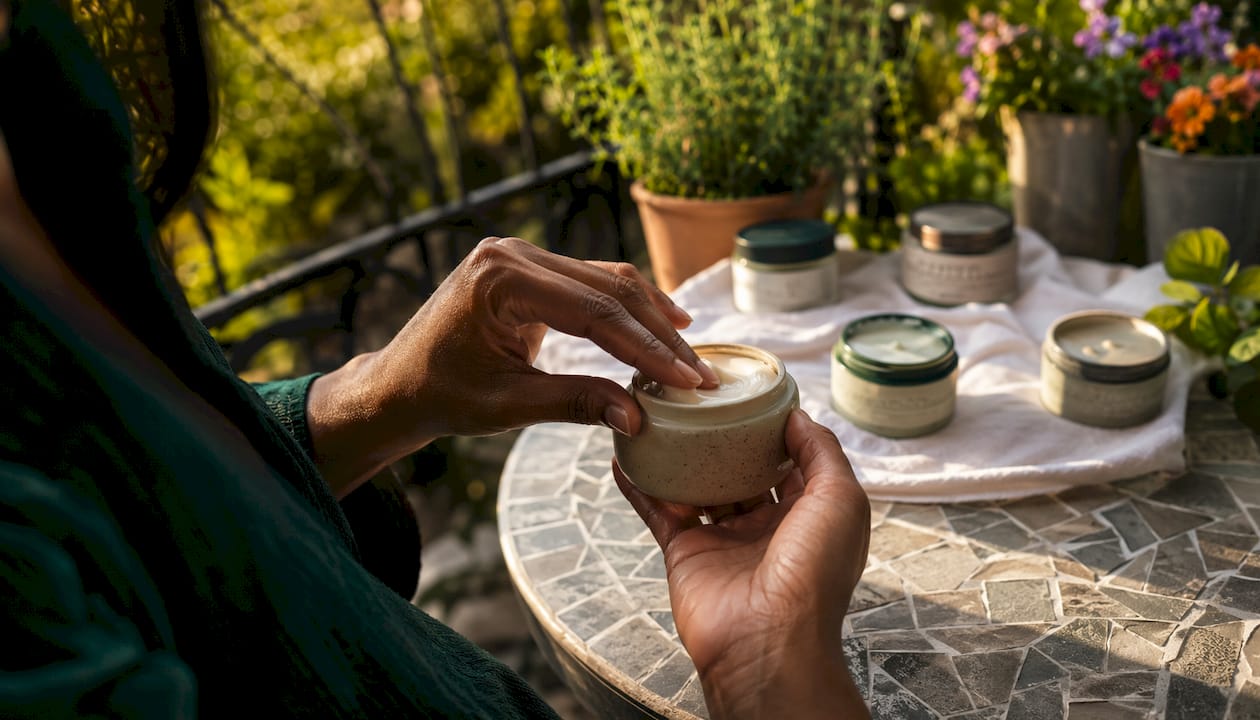
Because there is no water in the formula, a whipped balm works primarily through occlusion and emolliency. It sits on the skin surface, slows moisture evaporation, and softens the outer skin layers. It does not “add” water the way a lotion does.
Typical ingredients in a whipped balm:
- Rendered animal fats (grass-fed beef tallow) or plant butters (shea, mango, cocoa)
- Liquid carrier oils (jojoba, rosehip, avocado)
- Waxes such as beeswax for structure and slip
- Optional actives like Manuka honey for antimicrobial and soothing properties
- No preservatives needed, because there is no water to support microbial growth
The whipping step changes scoopability and spreadability in a real way. A standard balm can drag across the skin; a whipped version glides on with far less friction. That sensory difference matters for daily use. But whipping alters texture, not water content, so the product still functions as an occlusive on the skin.
Pro Tip: Scoop a pea-sized amount and warm it between your palms for five seconds before applying. The friction melts the balm slightly, giving you even coverage without over-applying.
How lotion hydrates your skin
Lotion is an emulsion, meaning it blends water and oil into a stable, uniform product using emulsifiers. Water is the primary ingredient, often making up the majority of the formula, which is why lotions feel light and spread easily across large areas of skin.
The hydration pathway works like this: humectants in the lotion (glycerin, hyaluronic acid) attract water molecules to the stratum corneum, the outermost skin layer. Emollients soften and smooth. Emulsifiers hold the water and oil phases together. Preservatives prevent bacterial and mold growth in that water-rich environment. The result is a product that absorbs faster and feels lighter than a balm, making it practical for daily full-body use.
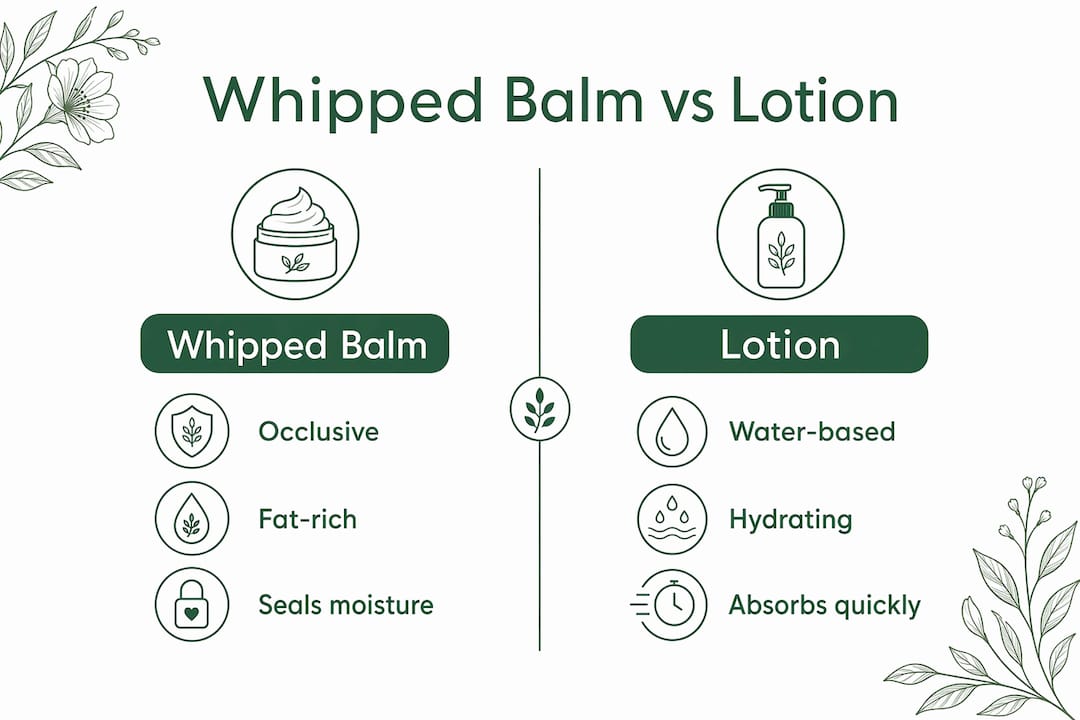
The simplest way to frame the difference: a lotion adds water to the skin; a balm seals the water already there. Neither approach is better in absolute terms. They solve different problems.
Whipped balm vs lotion: a head-to-head comparison
| Dimension | Whipped Balm | Lotion |
|---|---|---|
| Primary mechanism | Occlusion + emolliency (seals barrier) | Humectancy + emolliency (adds water) |
| Water content | Water-free (anhydrous) | high percentage of water |
| Texture & feel | Fluffy, rich, melts on contact | Lightweight, fluid, easy to spread |
| Absorption speed | Slower; sits on skin surface | Fast; absorbs within minutes |
| Moisture longevity | Long-lasting; hours of barrier protection | Shorter; may need reapplication |
| Best skin types | Dry, very dry, sensitive, eczema-prone | Normal, oily, combination, all types |
| Best use cases | Cracked heels, elbows, barrier repair, post-wash seal | Daily all-over hydration, daytime use |
| Application method | Warm in palms, apply to damp skin | Apply directly to dry or damp skin |
| Added ingredients | Actives like Manuka honey, no preservatives | Humectants, ceramides, preservatives |
| Packaging | Jar or tin (scoop-style) | Pump bottle or tube |
| Shelf life | Longer without preservatives (anhydrous) | Shorter; requires preservatives |
Three things that the table makes clear:
-
Speed vs longevity. Lotion wins on absorption speed; balm wins on how long the moisture barrier holds. If you need to get dressed in two minutes, lotion is the practical choice. If you are sealing cracked skin overnight, balm is the right tool.
-
Skin type matters more than preference. Oily or acne-prone skin generally does better with lotion’s lighter texture. Dry or compromised skin benefits from the extended occlusion a balm provides, especially in rough patches and barrier repair situations.
-
Packaging signals function. A pump bottle almost always means a water-based formula. A jar or tin almost always means a richer, occlusive product. That packaging shortcut is surprisingly reliable at the shelf.
Who should use a whipped balm vs a lotion?
Reach for a whipped balm if:
- Your skin is severely dry, flaky, or cracked, especially on heels, elbows, or hands
- You have eczema, psoriasis, or a compromised skin barrier
- You live in a cold, dry, or windy climate where moisture evaporates fast
- You want a post-shower seal to lock in residual moisture before it escapes
- You prefer short ingredient lists with no synthetic preservatives or emulsifiers
For parents, a whipped tallow balm can be a gentle option for delicate baby skin or children with sensitive conditions, since the anhydrous formula skips the preservatives that sometimes irritate young skin.
Reach for a lotion if:
- You want a quick-absorbing, all-over moisturizer for daily use
- Your skin is normal, oily, or combination and you do not need heavy occlusion
- You live somewhere hot and humid, where a rich balm can feel suffocating
- You are applying to large body areas and need something that spreads fast
Red flags worth knowing: Whipped balm on the T-zone of acne-prone skin can clog pores, since the occlusive layer traps everything underneath, including sebum. If you have oily or breakout-prone skin, limit balm use to dry patches and avoid the face unless you have tested it carefully. For lotions, watch for fragrance and high-alcohol formulas if your skin is sensitive. Those two ingredients are among the most common lotion irritants.
How to apply whipped balm for the best results
Getting the most from a whipped balm comes down to timing and technique. Follow these steps:
- Shower or wash first. Clean skin absorbs better, and slightly damp skin is the ideal canvas.
- Pat skin almost dry. Leave a thin layer of moisture on the surface. You want damp, not dripping.
- Scoop a small amount. A pea-sized portion covers a hand; a marble-sized amount covers a forearm. Start small.
- Warm it in your palms. Rub your hands together for five seconds. The balm will melt slightly and become easier to spread.
- Apply in circular motions. Work it into the skin rather than just spreading it on top. This improves absorption and reduces the greasy-surface feeling.
- Give it two minutes. The occlusive layer sets quickly. Avoid touching fabric immediately after applying to areas like elbows or heels.
For applying whipped tallow without greasy residue, the key is using less than you think you need and warming it fully before contact with skin.
Layering strategies: If you want both hydration and barrier protection, apply a light lotion first, let it absorb for a minute, then apply a thin layer of whipped balm on top to seal everything in. This is especially useful in winter. The reverse, balm first then lotion, does not work well because the occlusive layer blocks the lotion from reaching the skin.
Common mistakes:
- Over-scooping: too much balm sits on the skin surface and feels greasy instead of absorbing
- Applying to acne-prone zones without patch-testing first
- Expecting a whipped balm to behave like a gel cream or water-based moisturizer; it will not absorb the same way and is not designed to
Pro Tip: If you have sensitive skin, patch-test any new balm on your inner forearm for 24 hours before full application. This is especially worth doing with tallow-based products if you have not used them before.
Does whipping a balm change how well it moisturizes?
No. Whipping changes the physical microstructure of the balm, not its chemistry. The process introduces air into the fat matrix during cooling, which alters crystal structure and creates a lighter, more spreadable texture. What it does not do is add water, change the fatty acid profile, or convert an occlusive into a humectant.
A whipped tallow balm remains anhydrous after whipping. It still functions primarily as an occlusive and emollient. The myth worth busting directly: a fluffy, whipped texture does not mean the product hydrates like a water-based cream. Shoppers often expect whipped balms to feel like gel creams and are surprised when the skin feel is richer and slower to absorb. That surprise comes from conflating texture with formulation type.
What whipping genuinely improves is the user experience. The lighter texture makes it easier to apply evenly, reduces the drag of a dense stick balm, and makes the product feel less heavy on the skin. Those are real benefits. They just do not change the underlying occlusive function of the formula.
What ingredients should you check on the label?
For whipped balms
- High-quality fats: Grass-fed beef tallow or unrefined plant butters (shea, mango). The fat source matters for fatty acid quality and skin compatibility. Tallow’s lipid profile closely mimics human sebum, which is one reason it absorbs well despite being occlusive.
- Waxes: Beeswax adds structure and a slight slip that improves spreadability.
- Actives: Manuka honey brings antimicrobial and humectant properties in small quantities, making it a smart addition to an otherwise anhydrous formula.
- What to avoid: Synthetic fragrances, unnecessary fillers, and preservatives in a product that claims to be water-free. A truly anhydrous balm does not need preservatives; their presence in a “natural” balm can signal a poorly formulated product or undisclosed water content.
For lotions
- Humectants: Glycerin and hyaluronic acid are the workhorses. Look for them near the top of the ingredient list.
- Ceramides: These support sustained hydration and reinforce the skin barrier alongside the lotion’s water delivery.
- Preservatives: Necessary in any water-containing product. Phenoxyethanol and ethylhexylglycerin are among the gentler options. Avoid formaldehyde-releasing preservatives if your skin is reactive.
- What to avoid: High-alcohol content (drying), synthetic fragrance (common irritant), and comedogenic oils if you are acne-prone.
Shelf life note: A water-free balm has a longer natural shelf life because there is no water to support microbial growth. A lotion requires preservatives and typically has a shorter open-jar life once exposed to air and fingers. That is not a flaw in lotions; it is a formulation reality tied to their water content.
When should you choose a balm, and when a lotion?
Three scenarios cover most decisions:
Severe dryness or barrier repair: Go with a whipped balm. Cracked heels, eczema flares, raw skin from frequent hand-washing, and winter-damaged skin all benefit from the extended occlusion a balm provides. Apply to slightly damp skin post-wash for the best seal. Natural balms seal moisture most effectively in this window.
Daily all-over hydration: A lotion is the practical choice. It spreads fast, absorbs quickly, and works on every skin type without the heaviness of a balm. For hot or humid climates, lotion is almost always the better daily option.
Mixed needs: Use both. Apply lotion to large areas for quick coverage, then dab whipped balm on rough patches, dry elbows, or cracked heels where you need targeted, longer-lasting protection. This layered approach, lotion first then balm on specific spots, gives you speed and longevity without over-applying a rich product everywhere.
One reminder that applies to both formats: patch-test any new product on your inner forearm before applying it to your face or a large area, especially if your skin is sensitive or prone to reactions.
Key Takeaways
Whipped balm seals and protects; lotion adds water and absorbs fast. Choosing between them comes down to whether your skin needs a barrier or a drink.
| Point | Details |
|---|---|
| Occlusive vs humectant | Whipped balm seals moisture in; lotion draws water into the skin via humectants like glycerin. |
| Whipping changes feel, not function | Aeration makes balm lighter and easier to spread but does not add water or change its occlusive mechanism. |
| Water content is the key split | Lotions contain roughly 70–80% water; whipped balms are anhydrous and require no preservatives. |
| Application timing matters | Apply balm to slightly damp skin post-wash to trap residual moisture and reduce TEWL most effectively. |
| Lordslovebutter for barrier repair | The whipped beef tallow balm with Manuka honey is the right pick for dry, sensitive, or eczema-prone skin needing occlusive protection. |
The case for going fat-first
The skincare world has spent years optimizing for fast absorption, and lotions won that race. They absorb in seconds, they layer under makeup, and they feel like nothing on the skin. That is genuinely useful. But fast absorption is not the same as lasting protection, and for a lot of people with dry or compromised skin, the product that disappears quickest is also the one that stops working soonest.
What gets underestimated about whipped balms is how much the texture shift matters for adoption. A traditional stick balm or a dense pot of petroleum jelly works, but people do not enjoy using it. The whipped format solves that problem without sacrificing the occlusive function. It is the same barrier protection in a form people will actually reach for every day.
The misconception worth pushing back on is the idea that “natural” and “water-free” are somehow less sophisticated than a lotion with a long ingredient list. A well-sourced, grass-fed tallow balm with Manuka honey has a short ingredient list because it does not need the emulsifiers, preservatives, and stabilizers that water-based formulas require. That simplicity is a feature, not a limitation.
Lordslovebutter whipped beef tallow balm with Manuka honey
For skin that needs real barrier repair, not just a quick hydration hit, Lordslovebutter’s whipped beef tallow balm is built for exactly the scenarios this article describes. It uses grass-fed beef tallow as its base, which means a fatty acid profile that works with your skin rather than sitting on top of it. Manuka honey adds a small-dose active that soothes and supports without synthetic additives. The formula is chemical-free and anhydrous, so there are no preservatives, no emulsifiers, and no filler.
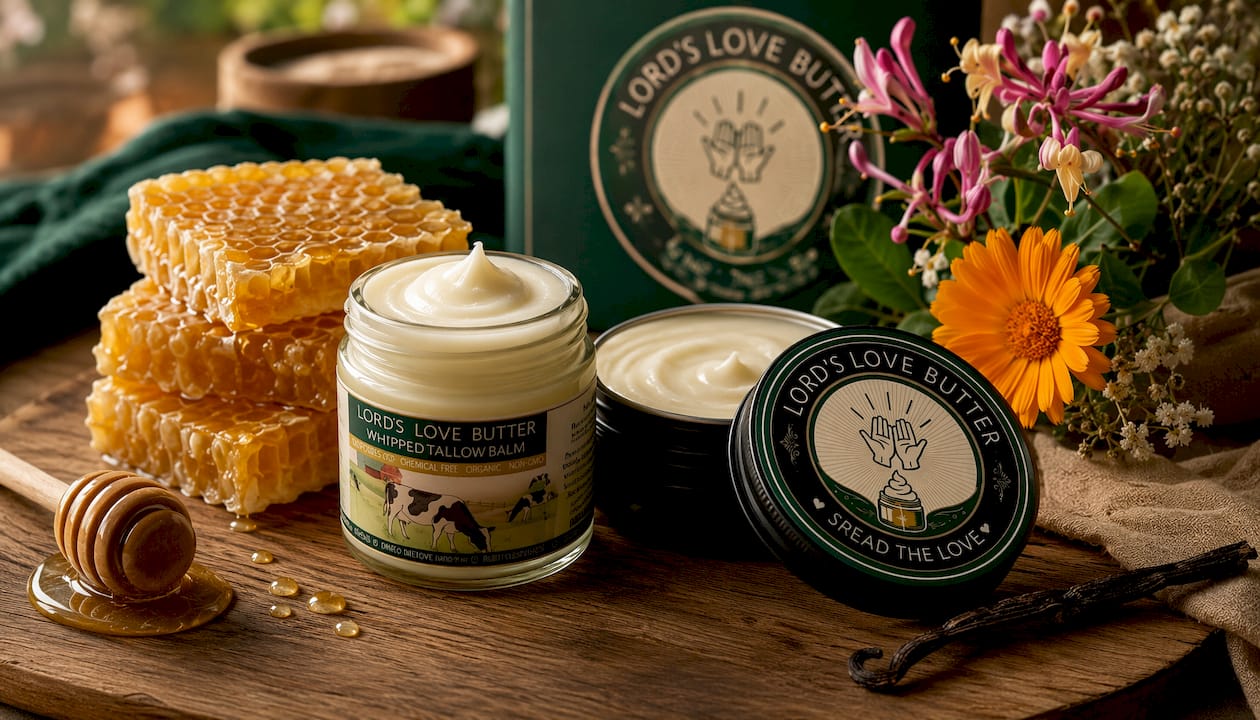
It comes in two formats: a 2.4 oz jar for home use and a 2.4 oz tin for travel or your bag. Both contain the same whipped tallow formulation. If you have been dealing with dry patches, eczema flares, or skin that just does not respond to lotion anymore, this is the product to try next.
Useful sources
- What is whipped tallow balm? A cosmetic formulator’s honest take on viral trend — formulator-level explanation of whipping process and occlusive function
- Balm vs. Lotion — Fraga Farm — water content comparison and TEWL reduction context
- Balms vs Creams vs Lotions for Sensitive & Dry Skin Explained — lotion hydration mechanism and ingredient breakdown
- Body Oil, Balm, Lotion, or Butter: What’s the Difference? — OSEA Malibu — ceramide and humectant guidance for lotion selection
- Balms vs Lotions: Key Differences in Benefits and Effects — practical use-case distinctions across skin types
- How to Apply Whipped Tallow Without Greasy Residue — Lordslovebutter — step-by-step application guidance and patch-test recommendations

