

Natural Nipple Balm: Is Whipped Beef Tallow Safe for Sensitive Skin?
Whipped beef tallow balm is a solid choice for very dry, non-acne-prone skin, including many patches affected by eczema or psoriasis, but it’s not for everyone. Here “natural nipple balm” means whole-body whipped tallow balm, not a breastfeeding-specific nipple cream. If your skin runs oily or breaks out easily, patch-test first and talk to a dermatologist before using it on inflamed or broken skin.
TL;DR:
- Tallow’s fatty acids resemble human sebum, making it effective for dry, flaky skin but potentially problematic for oily or breakout-prone skin.
- Patch testing with a small amount on the forearm and applying on damp skin after bathing reduces the risk of irritation and improves efficacy.
- Use tallow balm mainly on targeted dry patches rather than the entire face, and avoid if you have active acne, rosacea, or recent skin treatments.
- Look for grass-fed beef tallow with minimal fillers, added humectants, and clear sourcing on labels to ensure quality and safety.
- If symptoms worsen or do not improve within two to three weeks, consult a dermatologist instead of continuing to use tallow balm.
Table of Contents
- Who Should Use a Natural Nipple Balm Alternative Like Whipped Tallow
- How to Patch-Test and Apply a Whipped Tallow Balm Safely
- What to Look for on the Label Before You Buy
- What Results to Expect and When to Stop
- Why I’m Cautious About the Hype Around Tallow
- Find the Right Lordslovebutter Balm for Your Skin
- Sources
Who Should Use a Natural Nipple Balm Alternative Like Whipped Tallow
Dry, flaky patches on elbows, hands, and cheeks respond well to whipped tallow because the fat mimics the lipids already in human skin. Dermatologists at Cleveland Clinic point out that the fatty acids in tallow, mainly oleic, palmitic, and stearic acid, resemble what your own sebum produces, which is part of why it feels so different from a typical lotion.
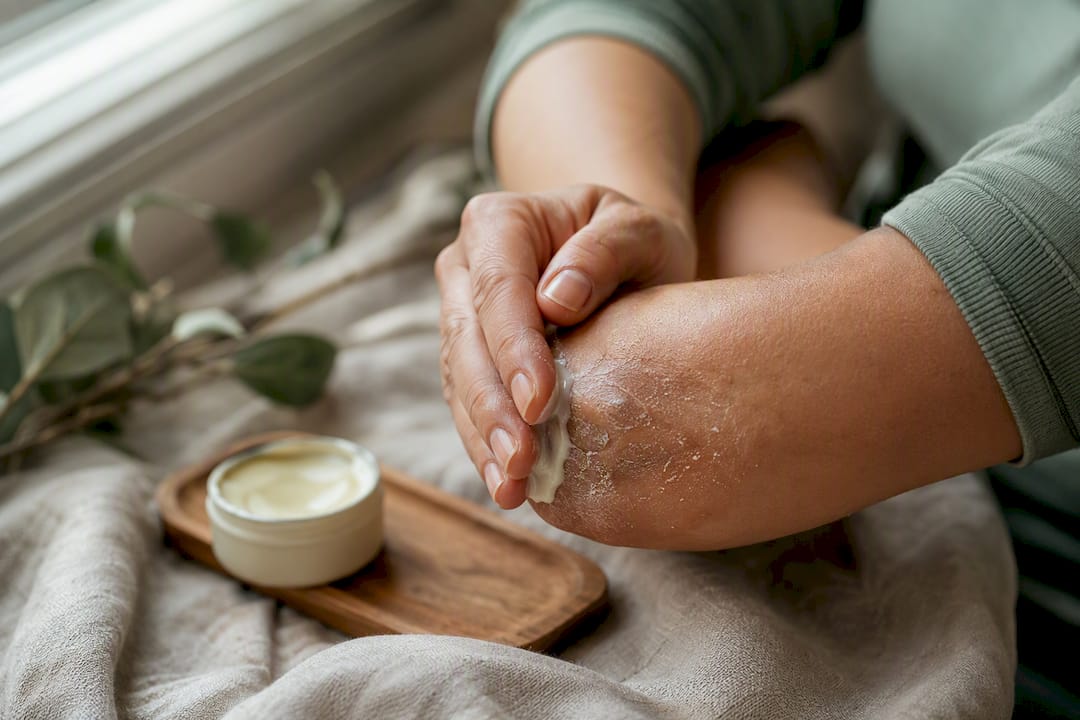
That resemblance is also the catch. Tallow is heavily occlusive, meaning it sits on top of skin and seals in moisture rather than absorbing quickly. For someone with rosacea or acne-prone skin, that same sealing effect can trap heat, oil, and bacteria against the pores. Cleveland Clinic dermatologists specifically flag this as a risk for anyone with a history of breakouts.
Evidence for tallow as a treatment for eczema is thinner than the marketing suggests. MD Anderson notes that tallow’s popularity has outpaced the science behind it. Ceramide-based creams have far more clinical research behind them for barrier repair, while tallow works more as a simple emollient than a proven therapy.
Skip tallow, at least for now, if any of the following apply; see Natural baby eczema remedies: safe & effective solutions for parents for safe options with infants:
- You have active acne, rosacea, or an oily T-zone.
- You’ve had a recent chemical peel, laser treatment, or open wound in the area.
- You have a known allergy to beef products or lanolin-adjacent animal fats.
- You’re treating a baby’s skin. CHOP cautions that tallow isn’t a proven eczema treatment for children and can sometimes make flares worse.
Reality check: a scoping review in PubMed Central found tallow is generally biocompatible and can hydrate skin, but the same review flagged inconsistent side-effect reporting and called for more human trials before anyone treats it as a medical remedy.
Pro Tip: If your eczema or psoriasis flares are severe, frequent, or spreading, see a dermatologist before adding any new occlusive balm to your routine. A five-minute consult beats weeks of guessing.
How to Patch-Test and Apply a Whipped Tallow Balm Safely
Treat any new balm the way you’d treat a new food for a baby: small amount, one spot, and wait.
- Patch-test first. Rub a dime-sized amount on your inner forearm and leave it for 24 to 48 hours. Stop and rinse immediately if you see redness, itching, or bumps.
- Start with a pea-sized amount on the driest, most stubborn patch, such as heels, elbows, or knuckles. Scripps Health recommends reserving heavy occlusives for these targeted dry areas rather than the whole face.
- Apply after bathing while skin is still slightly damp. The moisture underneath helps the balm seal it in instead of sitting on totally dry skin.
- Use it at night on your first few applications so you can watch for a reaction without makeup or sunscreen layered on top.
- Space it out from prescription actives. If you use retinoids or benzoyl peroxide, apply those first, let them absorb for 15 to 20 minutes, and use tallow balm as the last step.
- Check storage. Keep the lid on tight and store in a cool spot, away from direct sun. Healthline warns that improperly stored tallow can go rancid and become a source of irritation rather than relief.
Pro Tip: Whipping doesn’t change tallow’s chemistry, only its texture, according to Whollykaw’s breakdown of whipped tallow. It spreads easier and feels less greasy, but the comedogenic risk for acne-prone skin stays exactly the same.
What to Look for on the Label Before You Buy
Not all tallow balms are made the same way, and the ingredient list tells you almost everything you need to know before you commit.
Look for:
- Grass-fed beef tallow listed as the first or second ingredient, not buried after a long list of fillers.
- Minimal, purposeful carrier oils like squalane or rosehip oil, which support the skin barrier without adding heavy fragrance.
- Humectants like glycerin that help pull moisture in rather than just sealing it on the surface.
- Manuka honey, if you want a formula with added soothing and antimicrobial properties.
- Clear sourcing and batch information, so you know the tallow is grass-fed and processed with food-safe standards.
Avoid products with added synthetic fragrance, unnecessary essential oils, or vague labels like “natural blend” with no ingredient breakdown. If a product doesn’t list a shelf life or storage guidance, that’s a red flag. Insight from dermatology guides is blunt on this point: natural doesn’t mean risk-free, and unregulated tallow products can carry hidden irritants or spoil faster than a commercial cream with preservatives.
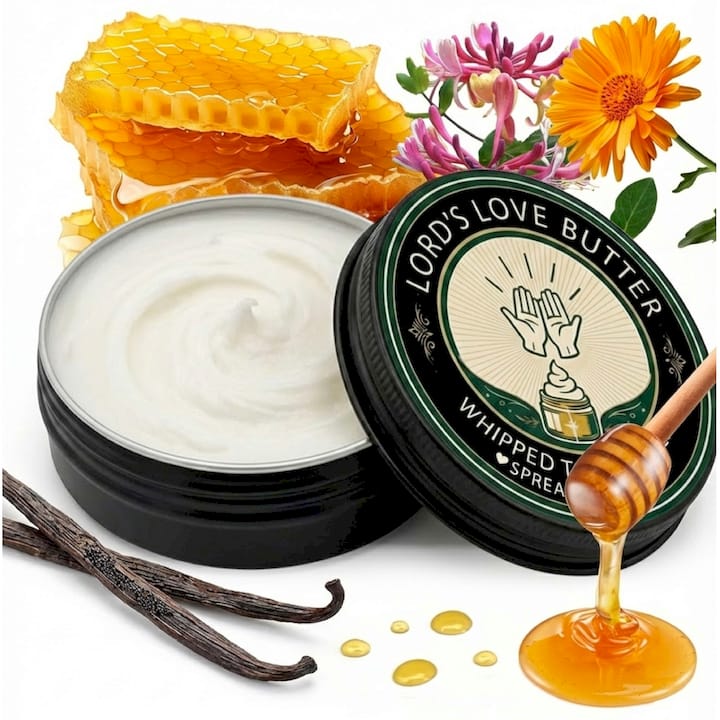
Lordslovebutter’s line maps directly onto this checklist. The Whipped Beef Tallow Balm with Manuka Honey in the 2.4 oz tin or 2.4 oz jar leads with grass-fed tallow and Manuka honey, no synthetic fillers. The Original Beef Tallow Balm Lite with Manuka Honey trims down the richness for people who want a lighter daily layer. For antioxidant support, the Vitamin C Whipped Beef Tallow Balm with Manuka Honey & Squalane and the double-strength Tallow Vitamin C Double with 2x Squalane, Rosehip and Ascorbyl Glucoside add rosehip oil to the mix. Anyone wanting extra soothing power can look at the Tallow Lite Double with 2x Manuka Honey and Propolis. You can learn more about how tallow mimics natural skin sebum for the fuller mechanism behind why the fatty-acid profile matters so much when you’re comparing labels.
What Results to Expect and When to Stop
Most people notice softer, less flaky skin on very dry patches within a short period of consistent use. Track it simply: take a photo of the patch on day one, then again at day seven and day fourteen, and note whether flaking, tightness, or cracking has eased.
Watch for warning signs that mean it’s time to stop:
- New whiteheads, blackheads, or small bumps where you applied the balm.
- Increased redness, warmth, or swelling rather than calming.
- Itching that gets worse instead of better after the first few uses.
The scoping review on topical tallow found the fatty-acid profile can genuinely support barrier lipids in some cases, but the same researchers stressed that higher-quality trials on real outcomes are still missing. If you’re not seeing improvement after two to three weeks, or if things get worse, that’s your cue to check in with a dermatologist rather than pushing through with more product. For more on why fatty acids matter here at all, see how omega fatty acids support dry, eczema-prone skin.
Why I’m Cautious About the Hype Around Tallow
I’ve spent enough time formulating whipped tallow to know it does one thing very well: it holds moisture on skin that’s cracked, flaky, and tired of fighting back. Grass-fed sourcing and small-batch production matter here, not as a marketing line, but because inconsistent tallow quality is exactly what leads to the breakouts and irritation critics warn about.
What I won’t do is oversell it as an eczema cure. The clinical evidence isn’t there yet, and anyone with a serious flare deserves a dermatologist’s input before layering on any new occlusive, no matter how clean the ingredient list looks. Patch-test first. Watch your skin, not the marketing.
— Michael
Find the Right Lordslovebutter Balm for Your Skin
Lordslovebutter skips the guesswork other natural skincare shelves leave you with: no mystery “natural blend” labels, just grass-fed tallow and Manuka honey you can actually trace back to source. If you’re new to whipped tallow, start small.
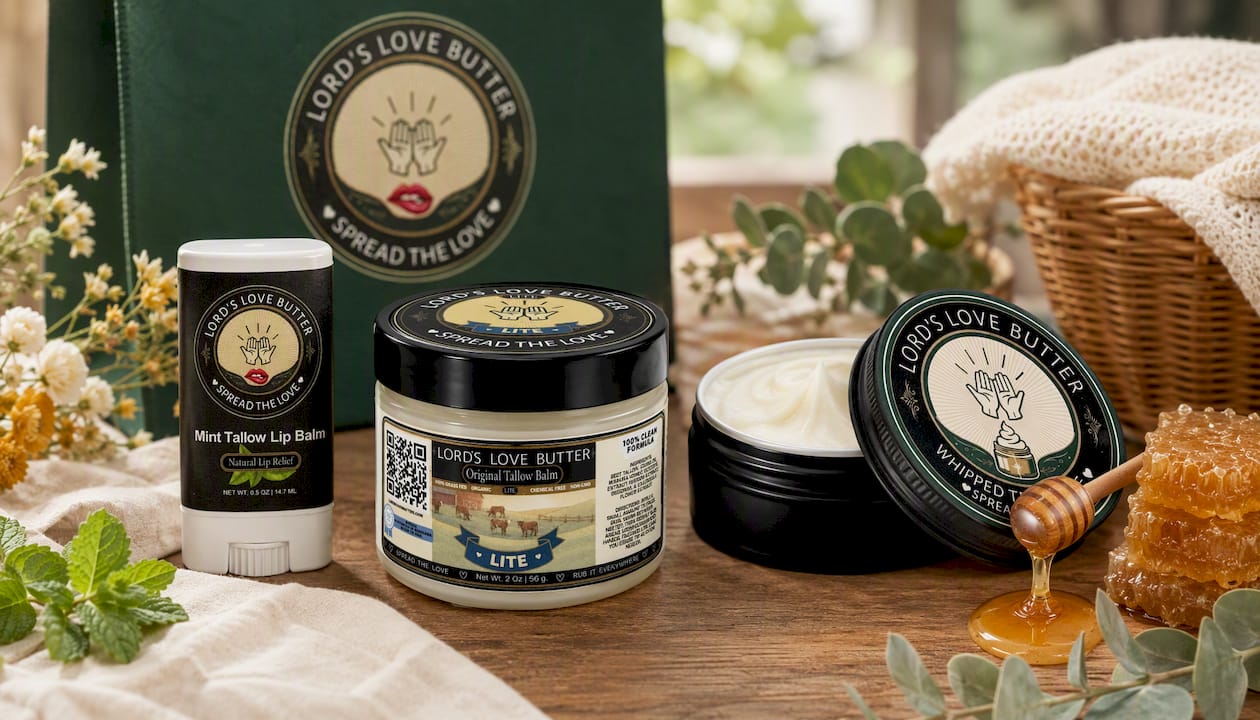
The 2.4 oz tin is sized for exactly the patch-test approach outlined above, letting you try it on a small dry patch before committing to a full jar. Daytime facial users often prefer the lighter feel of the Tallow Face Duo with Vitamin C, Squalane, and Rosehip Oil, while anyone spending time outdoors should look at the Beef Tallow Sun Balm Stick with Zinc Oxide for mineral coverage on top of hydration. If you want the richer original formula for stubborn elbows and heels, the Whipped Beef Tallow Balm with Manuka Honey is the flagship option. Pick the size and formula that matches where you are on your patch-testing timeline, and apply it the way you’d apply any new product: a little at a time, on damp skin, after dark.
This article is general information, not a substitute for advice from a qualified doctor. Consult a qualified healthcare professional about your own circumstances before acting on anything here.
Sources
- Beef tallow for skin: what dermatologists want you to know — Cleveland Clinic
- Beef tallow benefits: should you use it? — MD Anderson
- Scoping review on topical tallow and skin — PubMed Central
- Beef tallow for skin: benefits, uses, and safety — Healthline
- Beef tallow for eczema — Children’s Hospital of Philadelphia (CHOP)

