

How Ancestral Skincare Practices Work for Healthy Skin
Ancestral skincare works by protecting the skin’s natural barrier, supporting its microbial ecosystem, and using nutrient-dense ingredients that mirror the skin’s own chemistry. These are not folk remedies that happened to survive. They are functional systems, refined over generations of environmental observation, that modern dermatology is now catching up to.
The core logic is restraint. Rather than stripping and correcting, traditional methods focused on sealing, feeding, and adapting. Barrier disruption increases inflammation and accelerates aging. Ancestral practitioners understood this intuitively long before the stratum corneum had a name.
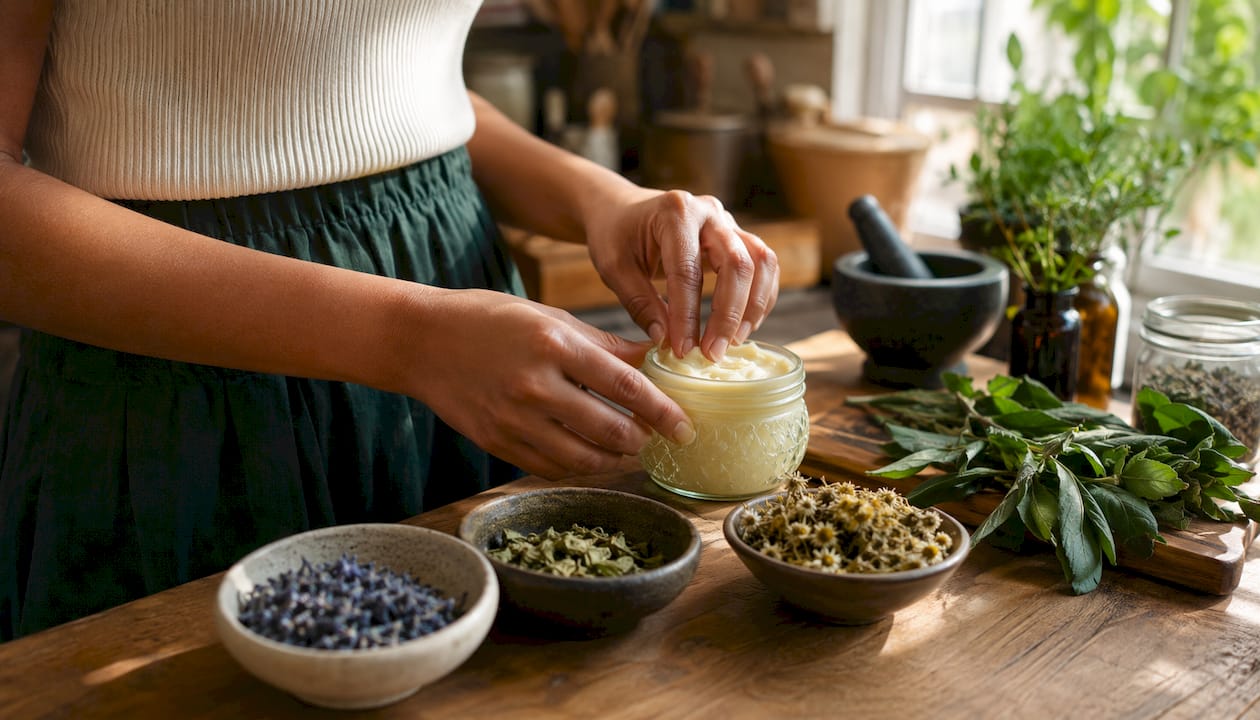
How ancestral skincare practices work: the biological and cultural foundation
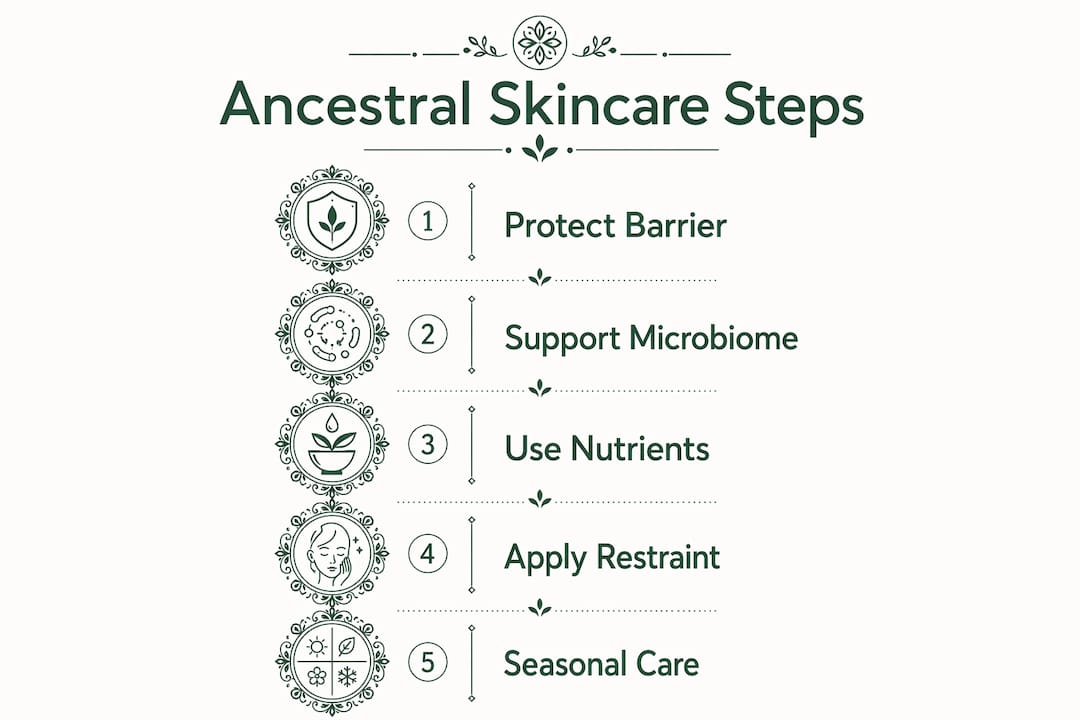
Traditional skincare is built around a simple premise: the skin knows how to protect itself, and your job is to support that process rather than override it. Cultures across every continent developed methods that protected the outermost skin layer, maintained moisture, and reduced infection risk using whatever their environment provided.
Foundational concepts shared across traditions include:
- Barrier preservation: Applying fats and oils to seal moisture and prevent transepidermal water loss
- Microbiome support: Avoiding harsh cleansers that kill beneficial skin bacteria
- Seasonal adaptation: Changing ingredients and application frequency as climate shifts
- Restraint: Using products only when needed, not layering excessively
- Food as medicine: Treating internal nutrition as inseparable from skin health
- Local sourcing: Using ingredients native to the climate the skin actually lives in
Ayurvedic traditions documented this seasonal logic in texts over 1,500 years old, prescribing six different formulations for the six seasons of the year. That is not superstition. It is applied biology.
What makes traditional beauty rituals better for your skin
The advantages of ancestral skincare over many modern routines come down to what these methods leave out as much as what they put in.
- Fewer irritants: No synthetic fragrances, sulfates, or preservatives that trigger contact dermatitis or disrupt the skin’s pH
- Nutrient density: Animal fats, plant oils, and herbal preparations deliver fat-soluble vitamins, antioxidants, and essential fatty acids directly to the skin
- Microbiome protection: Minimal cleansing preserves the bacterial communities that regulate immunity and inflammation
- Eco-friendly sourcing: Ingredients like shea butter, clay, and plant oils biodegrade completely and are harvested through low-impact methods
- Reduced inflammation: Avoiding over-cleansing preserves immune equilibrium and reduces chronic low-grade skin irritation
- Adaptability: Routines shift with the seasons rather than staying static year-round, which prevents cumulative damage
The natural skincare heritage of these traditions is not nostalgia. It is a record of what actually worked for skin health across physically demanding lives in harsh environments.
Key traditional ingredients that have stood the test of time
The ingredients ancestral cultures relied on were chosen for function, not marketing. Here is what they used and why it worked:
- Tallow balm: Rendered beef fat packed with vitamins A, D, E, and K, with a fatty acid profile that closely mirrors human sebum. It restores the skin barrier and deeply hydrates dry or sensitive skin without synthetic additives. Lordslovebutter’s whipped tallow balm is built on exactly this principle.
- Shea butter: Used across West and Central Africa for centuries, shea butter delivers triterpene alcohols with documented anti-inflammatory properties, making it particularly effective for eczema-prone skin.
- Calendula: The dried flowers of Calendula officinalis contain flavonoids and saponins that reduce redness, support wound healing, and calm reactive skin. Medieval European herbalists used it; modern cosmetic chemists still do.
- Lavender: Ancient Egyptians used lavender in both cosmetic and mummification preparations. Its linalool content gives it antimicrobial and anti-inflammatory properties that make it useful for acne-prone and sensitive skin alike.
- Sesame, olive, and almond oils: Ancient Egyptian body oils were formulated from sesame, castor, moringa, and olive oil, chosen for their ability to protect against desert sun and wind. These oils reduce transepidermal water loss and reinforce the lipid barrier.
- Clays: Moroccan Rhassoul, French Green Clay, and Indian Multani Mitti have been used for centuries to draw out impurities, balance oil production, and maintain skin pH without stripping the acid mantle.
- Turmeric: Used in Ayurvedic practice for over 4,500 years, turmeric contains curcuminoids with antioxidant and anti-inflammatory properties. Its active compound curcumin is now a subject of serious cosmetic chemistry research.
- Aloe vera: The polysaccharides in aloe gel act as humectants and film formers, supporting wound healing and moisture retention. Its cross-cultural use, from ancient Egypt to Mesoamerica, reflects how reliably it performs.
Pro Tip: When sourcing tallow balm, look for grass-fed beef tallow specifically. The fatty acid and vitamin profile differs meaningfully from conventionally raised sources, and the skin-barrier benefits are tied to that nutrient density.
Four core principles that structure ancestral skincare methods
Understanding the philosophy behind these practices helps you apply them correctly rather than just swapping one product for another.
-
Oil cleansing over harsh surfactants. Traditional cultures cleaned skin with oils, not soap. Oil dissolves oil, removing impurities without stripping the acid mantle or disrupting the microbiome. This is why Native American communities used plant-based oils and clays rather than alkaline cleansers, and why their skin maintained resilience under physically demanding conditions.
-
Animal-based products for biocompatibility. Tallow, ghee, and lanolin were staples in pre-industrial skincare because their fatty acid profiles are structurally close to human sebum. The skin absorbs them readily and uses them to repair the lipid barrier. This is not a trend. It is biochemistry. For a deeper look at how animal fats support the skin barrier, the science is well documented.
-
Food as medicine for skin health. Indigenous skincare systems treated internal nutrition as inseparable from skin function. Diets rich in whole foods, healthy fats, and anti-inflammatory compounds directly influenced skin elasticity, healing speed, and resilience. Modern evidence linking metabolic health to skin aging confirms what these traditions practiced.
-
Avoiding toxins and unnecessary disruption. Ancestral practices prioritized restraint, applying products as needed rather than layering multiple actives daily. Limiting disruption to the stratum corneum allowed the skin to self-regulate oil production, repair microdamage, and maintain immune equilibrium. The result was skin better equipped to adapt and recover.
How to build your own ancestral skincare routine
Applying these principles does not require a complete overhaul. Start with assessment, then simplify.
-
Assess your skin type and environment. Dry, cold climates call for heavier occlusive fats like tallow or shea. Humid, warm environments may need lighter oils like jojoba or sesame. Your routine should match where you live, not a generic product label.
-
Switch to oil cleansing. Massage a small amount of a single-ingredient oil (castor, olive, or jojoba) onto dry skin, then remove with a warm damp cloth. This lifts impurities without disrupting the acid mantle.
-
Moisturize with nutrient-dense fats. Apply tallow balm, shea butter, or a plant oil while skin is still slightly damp to lock in moisture. A thin layer is enough. Natural balms reduce the need for multiple products because they deliver barrier support, hydration, and nutrition in one step.
-
Add targeted herbal preparations sparingly. Calendula-infused oil for inflammation, lavender for antimicrobial support, or a clay mask once or twice a week for deep cleansing. Use each when your skin signals a need, not on a rigid daily schedule.
-
Adapt with the seasons. Ayurvedic seasonal skincare adjusted formulations as climate changed. In winter, increase occlusive fats and reduce cleansing frequency. In summer, lighter oils and more frequent clay use balance increased sebum production. Your skin’s behavior shifts with temperature and humidity, and your routine should too.
What science and culture both confirm about these practices
Modern dermatology did not discover skin barrier science. It rediscovered it.
“Essential oils are wonderful tools given to us by mother nature. They are the life force, and by using them on ourselves, we are enhancing our own life force. This is ancient wisdom in modern times, helping people to live more consciously, for themselves and for the planet.” — Farida Irani, founder of Subtle Energies, BBC Culture
Research on the skin microbiome now supports minimal intervention and selective cleansing, concepts embedded in Indigenous care systems long before molecular biology existed. Phytochemicals in herbs like turmeric, neem, and aloe vera, including curcuminoids, limonoids, and polysaccharides, have been validated as bioactive compounds with antioxidant, antimicrobial, and anti-inflammatory mechanisms. These are not vague wellness claims. They are testable chemistry.
The cultural dimension matters too. Arabic Kohl, recognized by UNESCO as intangible cultural heritage, served simultaneously as eye protection against wind and sand, a spiritual healing remedy, and a marker of community identity. The Chébé ritual from Chad, which combines Croton gratissimus seed powder with shea butter and sesame oil, has been practiced for over a thousand years and is documented in petroglyphs found in the Sahara’s Ennedi Plateau. These practices were never purely cosmetic. They were functional survival systems that happened to produce healthy skin as a side effect.
Native American skincare developed through centuries of environmental observation rather than aesthetic goals. Modern skin science confirms that protecting the barrier, avoiding over-cleansing, and tailoring care to environment are now central to dermatologic treatment protocols. What Indigenous communities understood through practice, researchers are now validating through immunology and barrier science.
Potential risks and what to watch for
Ancestral skincare is not risk-free, and a few practical cautions apply.
Tallow balm is deeply occlusive. For most skin types, that is exactly what you want. For acne-prone skin, heavy fats can trap bacteria under the surface and worsen breakouts. Patch testing on a small area before full application is always the right first step.
Some traditional ingredients carry specific sensitivities. Lavender essential oil can cause contact dermatitis in a small percentage of people, particularly at high concentrations. Turmeric stains skin temporarily and may irritate sensitive complexions. Clay masks used too frequently can over-dry skin, especially in winter.
The restraint principle cuts both ways. Under-cleansing in genuinely polluted urban environments can allow particulate matter to accumulate and trigger oxidative stress. Ancestral routines were designed for the environments their practitioners actually lived in. Adapting them to modern urban life means accounting for modern environmental stressors.
How to source authentic and safe ancestral skincare ingredients
Quality matters more with single-ingredient products than with formulated ones, because there is nowhere for poor sourcing to hide.
For tallow, grass-fed and pasture-raised sources produce a meaningfully different nutrient profile than conventionally raised beef fat. Look for rendered tallow that is explicitly labeled grass-fed, with no added preservatives or fragrances. Lordslovebutter sources its tallow this way, and the ingredient transparency is publicly listed.
For plant oils, cold-pressed and unrefined versions retain more of the fatty acids, vitamins, and antioxidants that make them effective. Heat-processed oils lose a significant portion of their bioactive content. For shea butter, unrefined raw shea retains its triterpene alcohols; refined shea is largely stripped of them.
For herbal ingredients like calendula and lavender, organic certification reduces pesticide exposure on ingredients applied directly to skin. Dried flowers for oil infusions should be fully dry before infusing to prevent mold growth.
How ancestral and modern skincare compare
The difference between ancestral and modern skincare is not natural versus synthetic. It is philosophy.
Modern skincare is largely corrective. It targets specific problems with active ingredients, often at concentrations that produce visible short-term results but require ongoing use to maintain them. The business model depends on that dependency.
Ancestral skincare is preventive and supportive. It works with the skin’s existing mechanisms rather than overriding them. The goal, as Native American traditions framed it, was functional longevity: skin that stays intact, comfortable, and capable of healing throughout a physically demanding life. Visible improvement follows as a secondary effect of structural health, not as the primary target.
That distinction shows up in routine complexity too. A clean skincare checklist built on ancestral principles typically involves three to five ingredients total. Modern multi-step routines can involve dozens of actives, many of which interact unpredictably and collectively increase barrier disruption.
Neither approach is universally superior. But for people with sensitive, reactive, or chronically inflamed skin, the ancestral model’s emphasis on restraint and barrier support often produces better long-term results than the corrective approach.
Ancestral skincare traditions from around the world
The principles are universal. The ingredients are local.
Ayurveda (India): Oils, ghee, and herbal pastes applied according to body constitution and season. The 1,500-year-old text Ashtanga Hridaya prescribed six distinct seasonal formulations. Turmeric, neem, sandalwood, and aloe were core ingredients, each with documented phytochemical mechanisms.
Ancient Egypt: Sesame, castor, moringa, and olive oils protected skin against desert heat and wind. Lavender appeared in both cosmetic and ritual preparations. Milk baths, rich in lactic acid, served as natural exfoliants for the wealthy.
Native American traditions: Mineral-rich clays, locally adapted plant oils, and whole-food nutrition supported skin barrier integrity across desert, plains, and forest environments. Seasonal adaptation and restraint were defining features.
West African traditions: Shea butter has been a staple moisturizer and barrier protector across the Sahel for centuries. The Chébé ritual from Chad combines botanical powders with shea and sesame oil in a community practice that is simultaneously a hair treatment and a cultural transmission event.
Moroccan Amazigh traditions: Argan oil, Rhassoul clay, and black olive soap formed a cleansing and moisturizing system that balanced oil production without stripping the skin. The hammam ritual structured this as a weekly practice rather than a daily one.
Japanese geisha traditions: Rice bran, green tea, and silk-dampened flower water formed a hydration-focused routine that prioritized nourishment and gentle cleansing over correction. The principle of mizuashi, hydration first, underpins the entire system.
Try ancestral skincare with Lordslovebutter
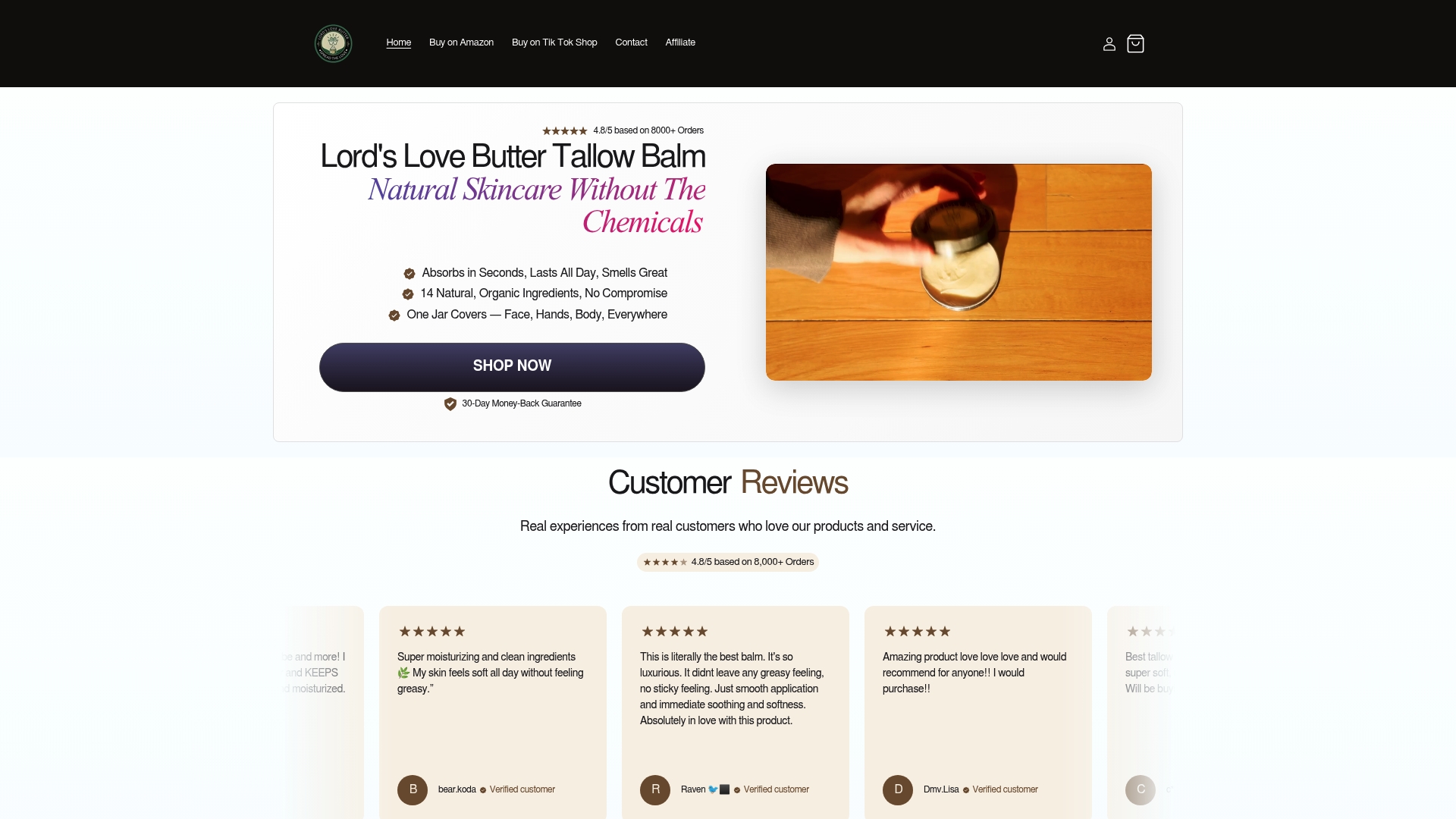
Lordslovebutter brings the core of ancestral skincare into a single, clean product. The Whipped Beef Tallow Balm with Manuka Honey uses grass-fed beef tallow and raw Manuka honey to deliver barrier support, deep hydration, and anti-inflammatory nourishment without a single synthetic ingredient. For lips, the Mint Beef Tallow Lip Balm applies the same principle in a targeted format. Both products are veteran-owned, made with traceable ingredients, and built on the same restraint philosophy that made ancestral skincare work for thousands of years.
Key Takeaways
Ancestral skincare works because it protects the skin barrier, supports the microbiome, and uses biocompatible ingredients that mirror the skin’s own chemistry rather than overriding it.
| Point | Details |
|---|---|
| Barrier preservation is the foundation | Ancestral methods seal moisture and limit disruption to the stratum corneum to reduce inflammation. |
| Restraint outperforms layering | Applying products only when needed allows the skin to self-regulate oil production and repair microdamage. |
| Seasonal adaptation prevents damage | Adjusting ingredients with climate changes prevents cumulative barrier stress that static routines cause. |
| Tallow and shea mirror skin chemistry | Their fatty acid profiles closely resemble human sebum, making them highly biocompatible moisturizers. |
| Modern science validates the approach | Dermatology now confirms that minimal intervention and microbiome protection are central to skin longevity. |

