

How Animal-Based Skincare Works for Healthy Skin
Animal-based skincare consists of products derived from animal fats and compounds that mimic the skin’s natural moisture barrier to hydrate and nourish the skin. Understanding how animal-based skincare works starts with one key fact: ingredients like beef tallow, lanolin, and collagen share a fatty acid profile remarkably close to human sebum, the oil your skin produces naturally. That biological similarity is what separates these ingredients from most synthetic moisturizers. Lordslovebutter, a veteran-owned brand, builds its entire product line on this principle, using grass-fed beef tallow as the core ingredient for whole-body hydration.
How animal-based skincare works at the skin level
The mechanism behind animal-derived ingredients in skincare is not complicated once you understand skin biology. Your skin barrier is largely made up of lipids, ceramides, and fatty acids. When those deplete through washing, aging, or environmental exposure, moisture escapes and irritation follows.
Beef tallow addresses this directly. It contains oleic, stearic, and palmitic acids alongside fat-soluble vitamins A, D, E, and K. These are the same lipid classes your skin barrier uses to stay intact. When you apply tallow, it does not sit on the surface as a foreign substance. It integrates with the skin’s existing lipid matrix, which is why many users with dry or compromised skin report faster relief than they get from water-based lotions.
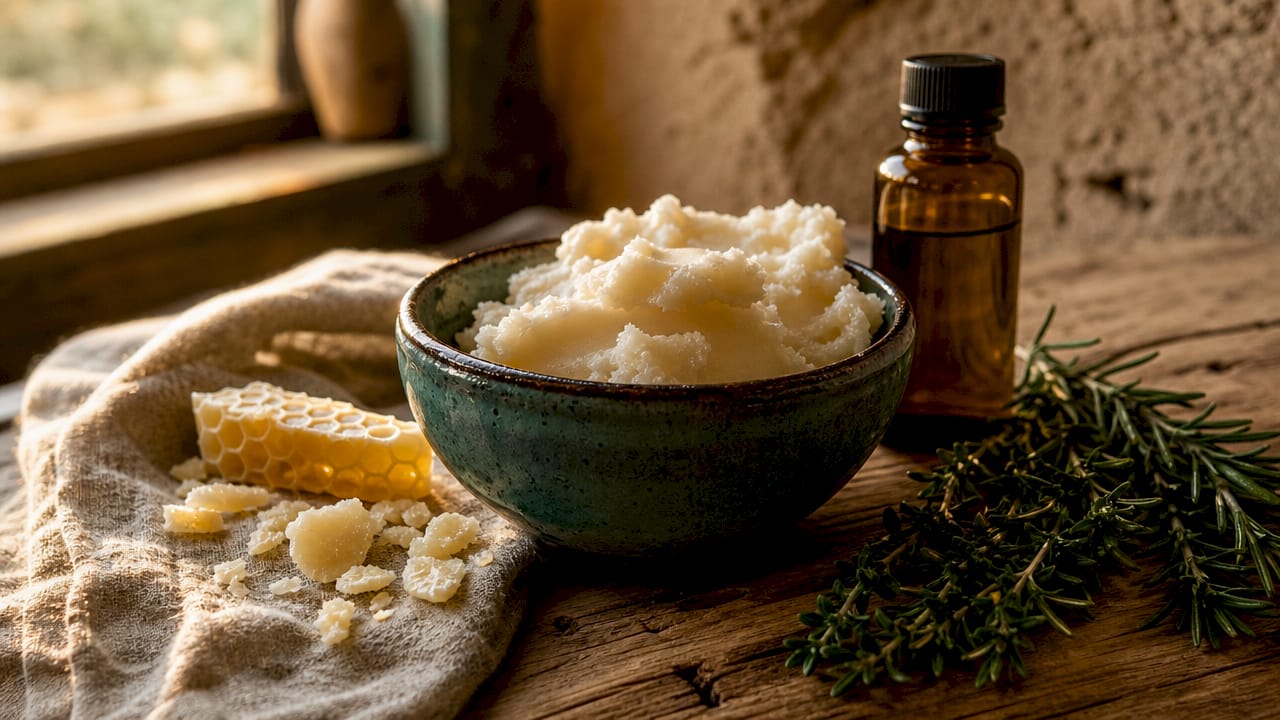
The occlusive property of tallow is equally important. Occlusives physically reduce transepidermal water loss (TEWL) by forming a semi-permeable film over the skin. This keeps moisture locked in rather than evaporating into the air. Heavier animal fats like tallow rank among the most effective occlusives available, outperforming lighter plant oils in this specific function.
Vitamins A and E in tallow may also support skin regeneration and soothing, though their concentration and absorption efficiency through intact skin remain under-researched compared to formulated derivatives like retinol. The benefit is real but should be understood as supportive rather than therapeutic.
- Fatty acid compatibility: Tallow’s oleic and palmitic acids mirror human sebum, allowing easier integration into the skin barrier.
- Occlusive action: The thick lipid layer reduces TEWL, keeping skin hydrated longer than most water-based products.
- Nutrient delivery: Fat-soluble vitamins A, D, E, and K are present and potentially bioavailable, though absorption depth varies.
- Triglyceride content: Triglycerides in animal fats support the structural integrity of the skin’s outer layer.
Pro Tip: Warm a small amount of tallow between your palms before applying. This emulsifies the fat and improves absorption, especially on dry elbows, heels, or irritated patches.
Animal-based vs. plant-based skincare: what actually differs
The comparison between animal and plant-based skincare is often framed as a values debate, but the chemistry tells a more specific story. Both categories contain fatty acids and can moisturize effectively. The differences lie in composition, occlusiveness, and skin compatibility.
Plant oils like argan, jojoba, and rosehip are rich in linoleic acid, a lighter polyunsaturated fatty acid that absorbs quickly and suits oily or acne-prone skin well. Tallow and other animal fats are higher in oleic and saturated fatty acids, making them denser, slower to absorb, and more occlusive. Neither profile is universally better. They serve different skin types and needs. You can explore the tallow vs. argan oil comparison in detail to see how these mechanisms play out side by side.
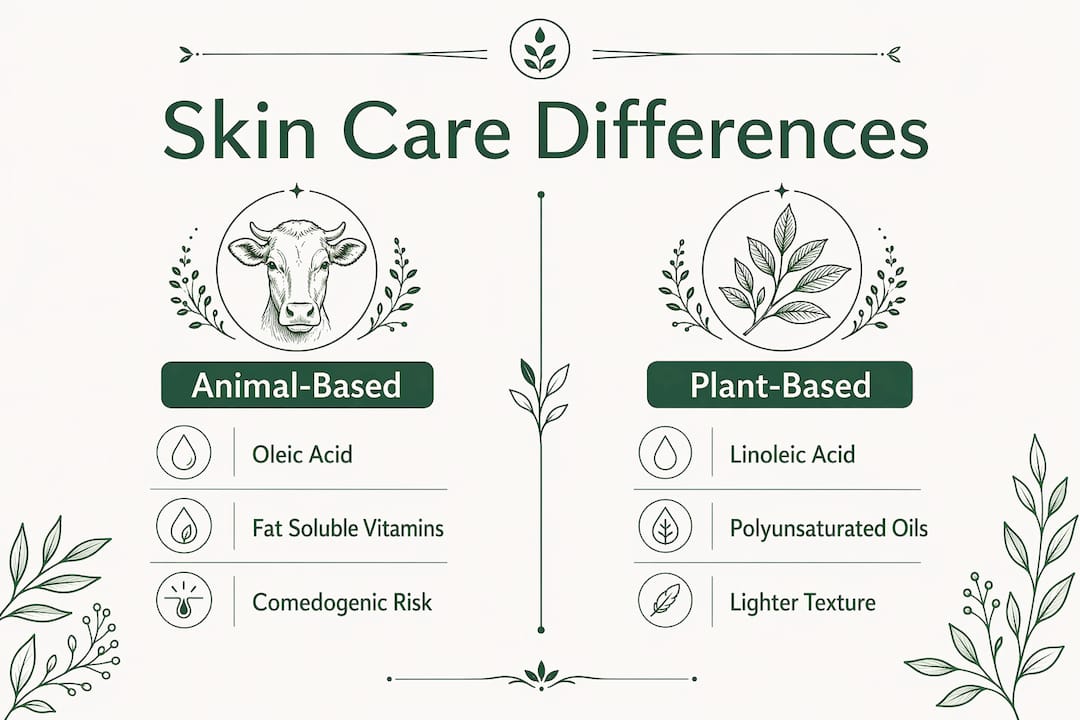
| Feature | Animal-based (tallow) | Plant-based (argan, jojoba) |
|---|---|---|
| Primary fatty acids | Oleic, stearic, palmitic | Linoleic, oleic, linolenic |
| Occlusiveness | High | Low to moderate |
| Absorption speed | Slow to moderate | Fast |
| Fat-soluble vitamins | A, D, E, K naturally present | Varies by oil; often lower |
| Best skin type | Dry, sensitive, mature | Oily, combination, acne-prone |
| Comedogenic risk | Moderate to high | Low to moderate |
One persistent misconception is that “natural” automatically means safer or more effective. Animal-derived ingredients like lanolin, collagen, and beeswax differ significantly from plant-based options in composition and ethical sourcing, and neither category is inherently superior for all users. Another common confusion involves labeling. Consumers frequently conflate “cruelty-free” with “vegan,” but these are distinct claims with different meanings in cosmetics regulation.
- Animal fats work best for barrier repair, extreme dryness, and overnight treatments.
- Plant oils work best for lightweight daily hydration and oily or combination skin.
- Mixing both is a legitimate strategy. Combining tallow with a lighter oil improves spreadability and reduces the risk of pore congestion.
Benefits and risks of animal-based skincare products
The benefits of animal-based skincare are real and well-supported for moisturization. The risks are equally real and depend heavily on skin type, product quality, and how you use them.
Documented benefits:
- Barrier reinforcement. The fatty acid profile of tallow supports skin barrier health by filling lipid gaps in the stratum corneum, the outermost skin layer.
- Sustained hydration. The occlusive nature of animal fats locks in moisture for hours, making them particularly effective for overnight use on very dry or cracked skin.
- Nutrient presence. Fat-soluble vitamins A, D, E, and K are naturally present in quality tallow, offering potential skin-supportive effects beyond basic moisturizing.
- Whole-body application. Dense animal fats work well on rough areas like elbows, knees, and heels where lighter products fail to penetrate adequately.
Risks to understand:
The primary risk is comedogenicity. Tallow may clog pores, particularly in acne-prone or oily skin types, because its thick occlusive nature can trap sebum and debris in follicles. Dermatologists advise caution or outright avoidance for these skin types.
A second concern is the absence of clinical validation. Most dermatologists note that tallow lacks formal safety testing and regulatory oversight comparable to conventional moisturizers. There are no large-scale randomized controlled trials confirming tallow outperforms dermatologist-recommended products for eczema, rosacea, or photoaging. It is an effective emollient. It is not a proven treatment.
Sourcing and rendering quality also matter more than most buyers realize. Improperly rendered tallow can harbor bacteria or go rancid, reducing both safety and efficacy. Small producers without standardized microbial testing present a real quality risk.
Pro Tip: Always patch test a new tallow product on your inner forearm for 24 hours before applying to your face or large body areas. This is especially important if you have sensitive or reactive skin.
How to choose and use animal-based skincare products
Selecting the right product matters as much as understanding the ingredient. Not all tallow balms are equal, and application technique directly affects results.
- Prioritize grass-fed sourcing. Grass-fed beef tallow contains a more favorable fatty acid ratio and higher vitamin content than conventionally raised alternatives. Look for producers who specify grass-fed and pasture-raised sourcing.
- Check rendering standards. Quality tallow should be odorless or very mildly scented, white to pale yellow in color, and shelf-stable. A strong or rancid smell indicates poor rendering or storage.
- Apply to damp skin. Applying tallow to slightly damp skin after warming it between your palms improves emulsification and absorption significantly.
- Use as a targeted or overnight treatment. Tallow works best as an overnight treatment for extremely dry or irritated areas rather than as a daily face moisturizer for all skin types.
- Mix with lighter products if needed. Combining tallow with a lighter oil or lotion improves spreadability and reduces the risk of pore congestion for those with combination skin.
- Consult a dermatologist for chronic conditions. Tallow should not replace medically proven treatments for chronic skin conditions like eczema or psoriasis. Use it as a complement, not a substitute.
For those interested in whole-body moisturizer benefits, tallow-based balms offer one of the few single-product options that genuinely work across multiple skin zones without requiring separate formulations.
Key takeaways
Animal-based skincare works because its fatty acid profile mirrors human sebum, enabling effective barrier support and moisture retention that synthetic and plant-based alternatives often cannot replicate at the same depth.
| Point | Details |
|---|---|
| Sebum compatibility | Tallow’s oleic, stearic, and palmitic acids integrate with the skin’s lipid barrier more readily than most synthetic alternatives. |
| Occlusive moisture lock | Animal fats reduce transepidermal water loss, making them among the most effective options for dry or cracked skin. |
| Nutrient presence | Fat-soluble vitamins A, D, E, and K occur naturally in quality tallow, offering supportive skin benefits. |
| Sourcing quality matters | Grass-fed, properly rendered tallow is safer and more effective than conventionally sourced or poorly processed alternatives. |
| Clinical limits | Tallow is a proven emollient but lacks clinical trial support for treating eczema, rosacea, or anti-aging effects. |
Why I think the tallow trend deserves more nuance than it gets
The surge in interest around animal-based skincare is understandable. People are tired of 30-step routines filled with ingredients they cannot pronounce. Tallow is simple, ancestral, and genuinely effective for what it does well. I get the appeal completely.
What concerns me is the gap between what the trend promises and what the evidence actually supports. Social media communities present tallow as a cure for eczema, rosacea, and aging. The reality is that the fatty acid profile resembles human sebum and supports hydration, but there are no extensive randomized controlled trials validating anti-inflammatory or anti-aging effects. That is not a reason to avoid tallow. It is a reason to use it with accurate expectations.
The other thing I have noticed is that product quality varies wildly. Buying tallow from an unverified small seller without rendering standards is a real risk, not a theoretical one. When I recommend animal-based skincare to anyone, I always emphasize sourcing first. A well-made product from a brand that controls its supply chain is a fundamentally different thing from a jar of rendered fat with no quality controls.
My honest position: tallow is one of the best pure moisturizers available for dry, sensitive, or compromised skin. Use it for that. Do not use it expecting pharmaceutical results, and do not skip your dermatologist if you have a diagnosed skin condition.
— Michael
Try Lordslovebutter for real, clean hydration
If you want to experience the benefits of animal-based skincare without the sourcing guesswork, Lordslovebutter delivers exactly what this article describes. Their whipped beef tallow balm is made from grass-fed tallow combined with Manuka honey, free from synthetic chemicals, and designed for whole-body use. It absorbs without a greasy residue and works on sensitive skin, eczema-prone areas, and everything in between. As a veteran-owned business, Lordslovebutter puts quality and transparency at the center of every batch.
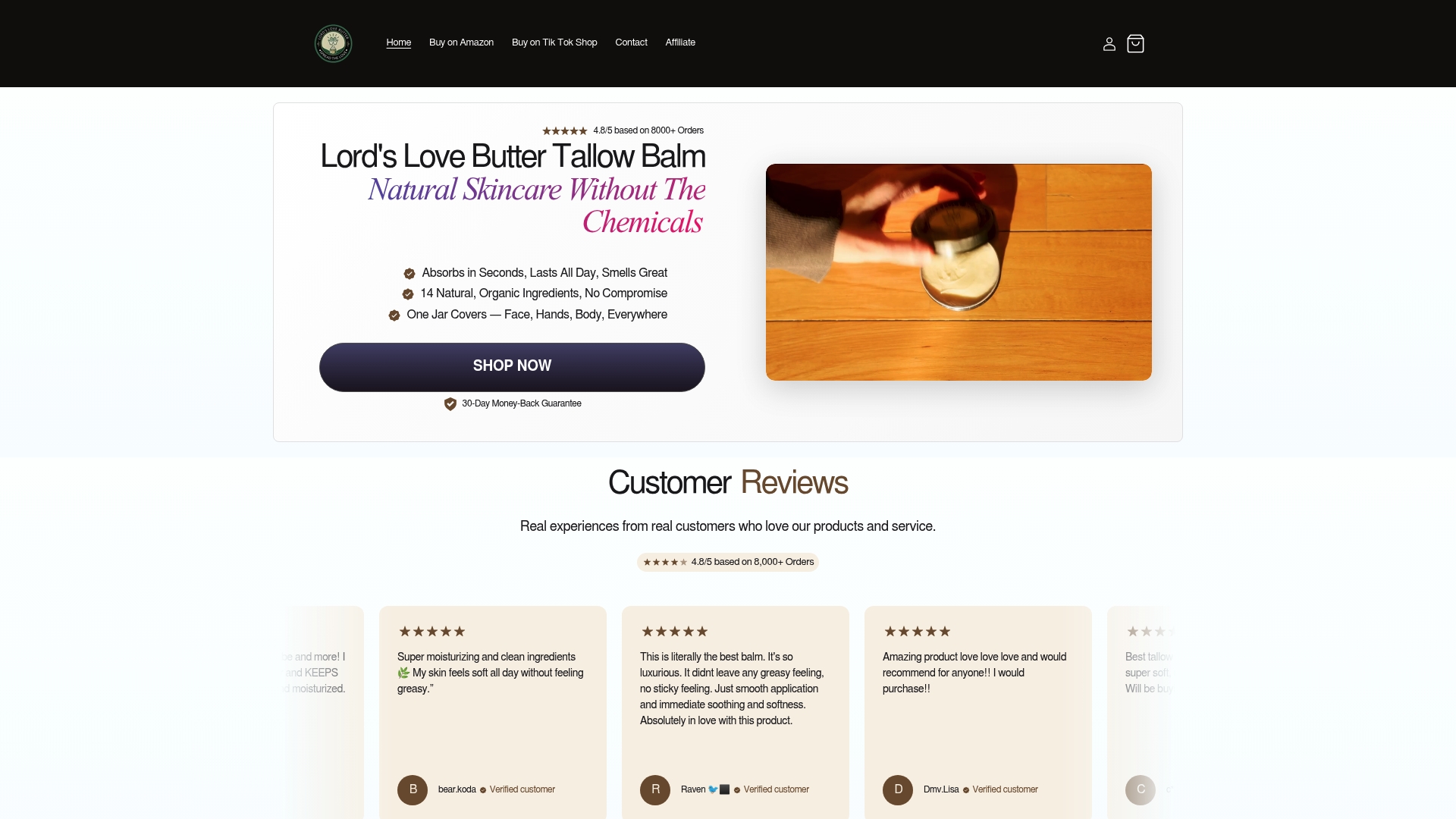
Customers report improved skin texture within days, particularly on dry patches and irritated areas that standard lotions fail to address. If you have been searching for a single, clean product that actually moisturizes, the Lord’s Love Butter balm is worth trying.
FAQ
What makes animal-based skincare different from regular moisturizers?
Animal-based skincare, particularly beef tallow, contains fatty acids that closely match the skin’s own sebum, allowing deeper integration with the skin barrier. Most conventional moisturizers rely on synthetic emollients that sit on the surface rather than working with the skin’s natural lipid structure.
Is animal-based skincare effective for eczema or dry skin?
Tallow is an effective occlusive emollient for dry skin, but dermatologists note it lacks clinical trial support for treating eczema or other chronic skin conditions. Use it to support moisture retention and barrier repair, not as a replacement for prescribed treatments.
Can animal-based skincare clog pores?
Yes. Tallow is comedogenic for some users, particularly those with oily or acne-prone skin. Dermatologists recommend patch testing first and avoiding heavy application on the face if you are prone to breakouts.
How do I know if a tallow skincare product is high quality?
Look for grass-fed sourcing, proper rendering standards, and a neutral or very mild scent. Rancid smell, discoloration, or unclear sourcing are signs of poor quality that can reduce both safety and effectiveness.
Are animal-based skincare products the same as vegan or cruelty-free products?
No. Animal-derived ingredients like tallow, lanolin, and beeswax are neither vegan nor always cruelty-free. These are distinct labeling categories, and consumers should read ingredient lists and sourcing disclosures carefully rather than relying on general marketing claims.

