

How to Identify Toxic Skincare Ingredients Safely
Identifying toxic skincare ingredients is defined as the practice of reading product labels to recognize substances linked to skin irritation, hormonal disruption, and long-term health risks. The most common offenders fall into four categories: parabens, phthalates, formaldehyde releasers, and synthetic fragrance compounds. Every product you apply sits on your skin for hours, and cumulative exposure to endocrine-disrupting chemicals in cosmetics carries real health risks even at low individual doses. The global standard for ingredient labeling is the International Nomenclature of Cosmetic Ingredients (INCI) system, and understanding it gives you a reliable framework for spotting harmful substances before they reach your skin.
How to identify toxic skincare ingredients by reading labels
Ingredient labels follow a strict structure under INCI standards. Ingredients above 1% concentration are listed in descending order by weight, so the first five ingredients make up the bulk of any formula. Ingredients at or below 1% appear at the end of the list in any order the manufacturer chooses. That structure tells you a lot about what a product actually delivers versus what the front label promises.
The front of a package is marketing territory. Claims like “dermatologist-tested,” “hypoallergenic,” and “natural” carry no standardized legal definitions and offer no safety guarantee. The ingredient list on the back is the only place where real information lives. Train yourself to flip the bottle first.
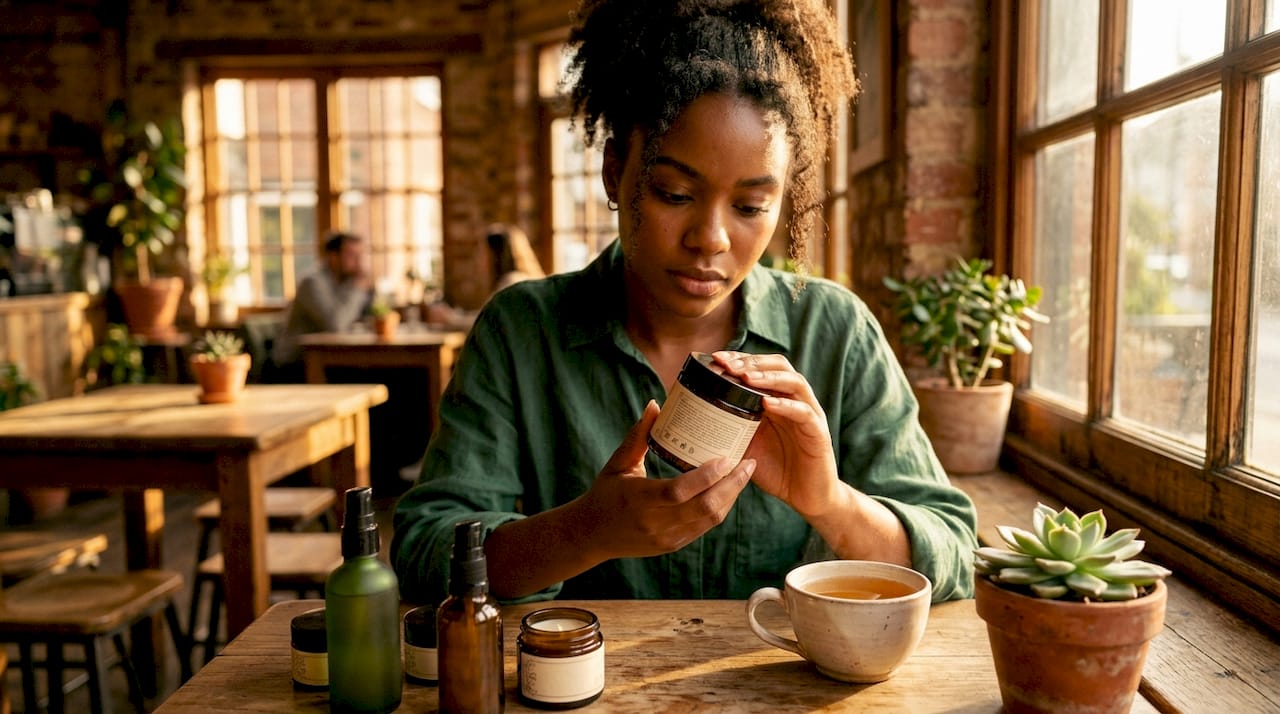
One practical trick for reading labels is to locate phenoxyethanol. Phenoxyethanol is used at 0.5%–1% in most formulas, which means every ingredient listed after it is likely present at under 1%. That single marker helps you separate the active, high-concentration ingredients from the trace-level ones. It also reveals whether a “key” ingredient shown on the front label is actually present in a meaningful amount or just a marketing sprinkle.
Here is what to look for when reading any skincare label:
- Water (Aqua) at the top signals a water-based formula where preservatives are necessary.
- Fragrance or Parfum anywhere on the list is a red flag, since it can represent hundreds of undisclosed chemicals.
- Phenoxyethanol marks the approximate 1% cutoff line.
- Mineral oil or petrolatum near the top indicates a heavy occlusive base.
- Active ingredients like retinol or niacinamide should appear above the 1% line to be effective.
Pro Tip: Screenshot the ingredient list of every product you buy. Over time, you will build a personal reference library that makes future comparisons fast and reliable.
What are the most harmful toxic ingredients in skincare?
The most concerning toxic ingredients in skincare fall into six categories, each with a distinct risk profile. Learning to identify 10–15 common irritants covers roughly 90% of adverse skin reaction risks. That is a manageable list, and knowing it changes how you shop.
Parabens (methylparaben, propylparaben, butylparaben) are preservatives that mimic estrogen in the body. They appear in a wide range of moisturizers, shampoos, and makeup products. Their endocrine-disrupting potential makes them a priority to avoid, especially with daily use.
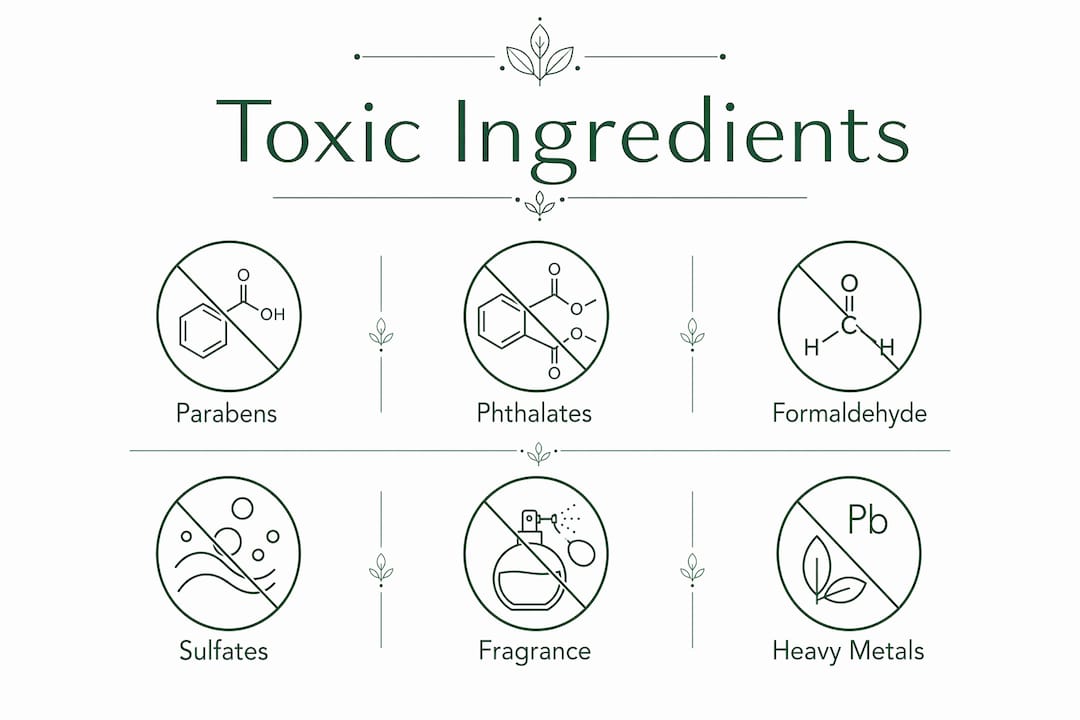
Phthalates are trickier to spot. They hide under the term “fragrance” on ingredient lists because trade secret laws allow manufacturers to keep fragrance formulas confidential. Phthalates carry reproductive health risks and accumulate with repeated exposure across multiple products.
Formaldehyde-releasing preservatives include DMDM hydantoin, imidazolidinyl urea, and quaternium-15. These compounds slowly release formaldehyde over time to prevent bacterial growth. Formaldehyde is a known carcinogen and a common cause of contact dermatitis, particularly in people with sensitive skin.
Sulfates like sodium lauryl sulfate (SLS) and sodium laureth sulfate (SLES) are foaming agents found in cleansers and shampoos. They strip the skin’s natural oil barrier, leading to dryness, redness, and irritation. People with eczema or rosacea are especially vulnerable to sulfate-related flares. If you have sensitive or reactive skin, sulfate-free formulas are a straightforward upgrade.
Fragrance deserves its own category. Fragrance is the number one cosmetic allergen and the leading cause of contact dermatitis. A single “fragrance” listing can represent a blend of dozens or even hundreds of individual chemicals, none of which the manufacturer is required to disclose. Products labeled “unscented” are not necessarily safer. Unscented formulas often contain masking fragrances that neutralize odor but still irritate skin.
Heavy metals and PFAS present a different challenge. Lead, mercury, and PFAS contamination arises from supply chain issues and does not appear on ingredient lists at all. These contaminants enter products through raw material sourcing, not intentional formulation. No amount of label reading will catch them.
How do third-party certifications help you find safer products?
Label reading alone has real limits. Trade secret protections hide fragrance chemicals, and supply chain contaminants never appear on labels. Third-party certifications fill that gap by requiring independent testing before a product earns a seal.
EWG Verified is issued by the Environmental Working Group and requires full ingredient disclosure, no chemicals of concern, and manufacturing transparency. Made Safe certifies that every ingredient in a product has been screened against a database of known harmful substances. These certifications go further than any label claim because they involve actual testing, not just self-reporting.
Retailers also set their own standards. Whole Foods, for example, restricts over 240 harmful ingredients from products sold in its stores. That policy acts as a baseline filter before a product even reaches the shelf. Shopping at retailers with strict ingredient standards reduces your exposure without requiring you to research every product individually.
Ingredient checker apps and online databases add another layer. Tools like the EWG’s Skin Deep database let you search a product or individual ingredient and see a hazard rating based on available research. These resources are not perfect, since the science on some ingredients is still developing, but they give you a starting point grounded in published data rather than marketing copy.
The undisclosed nature of fragrance ingredients makes “fragrance-free” products the safer default for people with sensitive skin. Certifications that require full fragrance disclosure, such as EWG Verified, are the most reliable way to confirm a product is genuinely free of hidden allergens. A clean skincare ingredient checklist built around certified products gives you a repeatable system rather than a guessing game.
Practical tips for choosing safe skincare products
Applying this knowledge at the store or online takes a clear process. These steps work whether you are buying a new moisturizer or auditing your current routine.
- Flip to the ingredient list first. Ignore the front label entirely until you have read the back. Front claims are unregulated; the ingredient list is where accountability lives.
- Keep your personal trigger list. Write down every ingredient that has caused you redness, breakouts, or irritation. Check new products against that list before buying.
- Look for “paraben-free” and “phthalate-free” on the label. These claims are specific and verifiable. Vague claims like “clean” or “pure” are not.
- Locate phenoxyethanol to assess active ingredient amounts. If a star ingredient like hyaluronic acid appears after phenoxyethanol, it is present at under 1% and unlikely to deliver the results shown on the front.
- Choose shorter ingredient lists when possible. Fewer ingredients mean fewer potential irritants and less cumulative chemical exposure. A minimal ingredient list also makes it easier to identify the cause if a reaction occurs.
- Prioritize fragrance-free over unscented. “Fragrance-free” means no fragrance compounds were added. “Unscented” means a masking agent was used to cover the smell, which can be just as irritating.
- Use third-party certification seals as a shortcut. EWG Verified or Made Safe logos signal that independent testing has already done the work for you.
- Document your routine with photos. Photograph ingredient lists and note your skin’s response over two to four weeks. Patterns become clear quickly.
Pro Tip: When evaluating a new product, search its name in the EWG Skin Deep database before purchasing. A two-minute check can save weeks of dealing with a reaction.
Certain natural ingredients have well-established safety profiles worth knowing. Grass-fed beef tallow, Manuka honey, and shea butter appear in products with short, transparent ingredient lists. They provide moisture without the preservative load that longer formulas require. For people managing eczema, psoriasis, or chronic dryness, reducing the total number of ingredients in a routine often produces faster improvement than adding more products. You can find a full breakdown of harmful chemicals to avoid in current formulations to cross-reference your existing products.
Key Takeaways
Identifying toxic skincare ingredients requires reading INCI-formatted ingredient lists, recognizing key harmful substances like parabens and phthalates, and using third-party certifications to catch what labels cannot disclose.
| Point | Details |
|---|---|
| Read the ingredient list, not the front label | INCI labels list ingredients by concentration; front claims have no legal safety standard. |
| Spot the 1% marker | Phenoxyethanol marks the approximate cutoff; ingredients after it are present at trace levels. |
| Know the six key offenders | Parabens, phthalates, formaldehyde releasers, sulfates, fragrance, and heavy metals top the risk list. |
| Use certifications to fill label gaps | EWG Verified and Made Safe certifications catch contaminants and hidden fragrance chemicals. |
| Choose fragrance-free over unscented | “Fragrance-free” means no fragrance compounds; “unscented” may still contain masking agents. |
What I have learned after years of reading ingredient labels
The biggest misconception I see is that people trust the word “natural” to mean safe. Poison ivy is natural. Formaldehyde occurs in nature. The word means nothing on a skincare label without an ingredient list to back it up.
The fragrance loophole is the issue I find most frustrating. Manufacturers can list a single word, “fragrance,” and legally hide dozens of chemicals behind it. That is not a gap in consumer awareness. That is a structural problem in how cosmetics are regulated in the United States. Until that changes, the only reliable defense is choosing certified fragrance-free products or products with fully disclosed ingredient lists.
Cumulative exposure is the concept most people underestimate. One product with a low level of parabens is probably not a crisis. But if your moisturizer, shampoo, body wash, and makeup all contain parabens, your daily exposure adds up fast. Simplifying your routine is not just about saving money. It is a direct way to reduce your total chemical load. I have found that people who cut their routine to five or fewer products report clearer skin and fewer reactions within weeks.
My practical advice is this: stop chasing certifications as a final answer and start building your own ingredient literacy. Certifications help, but they change, and brands reformulate. The skill of reading a label stays with you permanently. Pair that skill with a short personal trigger list, and you will make better decisions than any app can make for you.
— Michael
Clean skincare without the chemical guesswork
Knowing what to avoid is only half the work. The other half is finding products that skip those ingredients entirely without sacrificing performance.
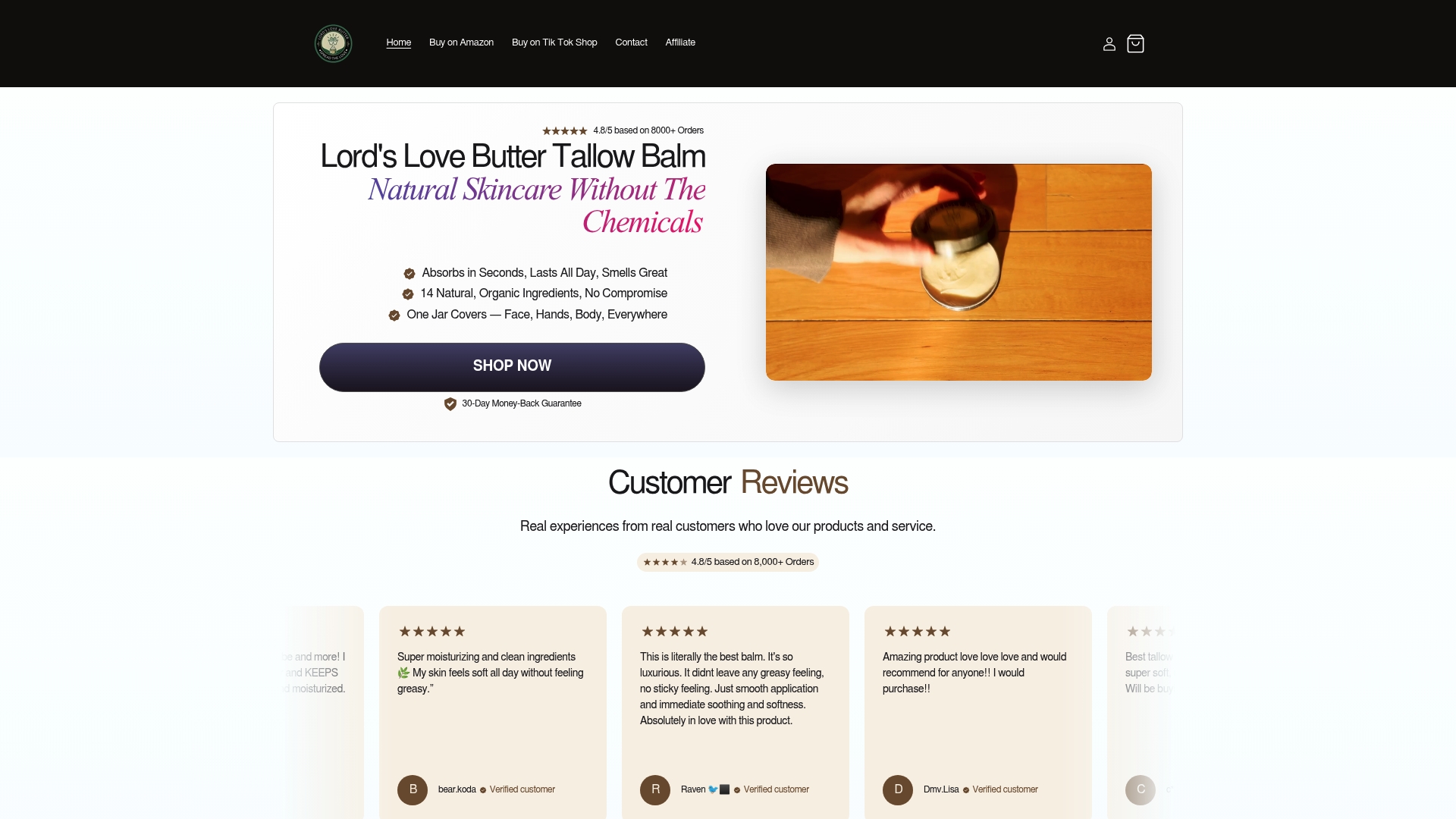
Lordslovebutter was built around that exact problem. The Whipped Beef Tallow Balm with Manuka Honey contains no parabens, no phthalates, no synthetic fragrances, and no formaldehyde-releasing preservatives. The formula uses grass-fed beef tallow and Manuka honey, two ingredients with well-documented skin benefits and short, transparent ingredient profiles. Lordslovebutter is a veteran-owned brand that puts every ingredient on the label, no trade secrets, no hidden fragrance blends. Customers with eczema and psoriasis report visible improvement in skin texture within days. If you are ready to apply what you have learned here, this is a product that holds up to scrutiny.
FAQ
What does INCI mean on skincare labels?
INCI stands for International Nomenclature of Cosmetic Ingredients. It is the global standard that requires ingredients to be listed by their standardized scientific names in descending order of concentration above 1%.
Is “fragrance-free” always safe for sensitive skin?
“Fragrance-free” means no fragrance compounds were added to the formula, making it the safer choice for sensitive skin. “Unscented” products, by contrast, may contain masking agents that are equally irritating.
How do I know if a product contains phthalates?
Phthalates are rarely listed by name. They hide under “fragrance” on ingredient lists due to trade secret protections, so choosing certified phthalate-free or fragrance-free products is the most reliable way to avoid them.
What are formaldehyde-releasing preservatives?
Formaldehyde-releasing preservatives are compounds like DMDM hydantoin, imidazolidinyl urea, and quaternium-15 that slowly release formaldehyde to prevent bacterial growth. They are linked to skin irritation and are classified as potential carcinogens.
Can I trust “hypoallergenic” on a skincare label?
No. “Hypoallergenic” has no standardized legal definition in the United States and does not guarantee a product is free of allergens. Always read the full ingredient list regardless of front-label claims.

