

Improve Rough Skin Texture Naturally: Your Full Guide
Rough skin texture is defined as a disrupted skin surface caused by dead cell buildup, barrier dysfunction, or chronic dryness. You can improve rough skin texture naturally by combining gentle exfoliation, consistent moisturizing, sun protection, and barrier-focused care. The most effective approach repairs the skin barrier first, then removes dead cells safely, then locks in hydration. Ingredients like lactic acid, urea, ceramides, and vitamin C are the workhorses of this process. Whether you are dealing with keratosis pilaris, eczema, or general dryness, the same core principles apply. The difference is in how aggressively you apply them.
Why moisturizing is the foundation to soften rough skin naturally
Barrier repair is the first step, not an afterthought. Xerosis, the clinical term for dry skin, causes flakiness, roughness, and cracking by depleting the skin’s natural lipid barrier. When that barrier breaks down, water escapes faster than your skin can retain it, and the surface becomes rough and uneven.
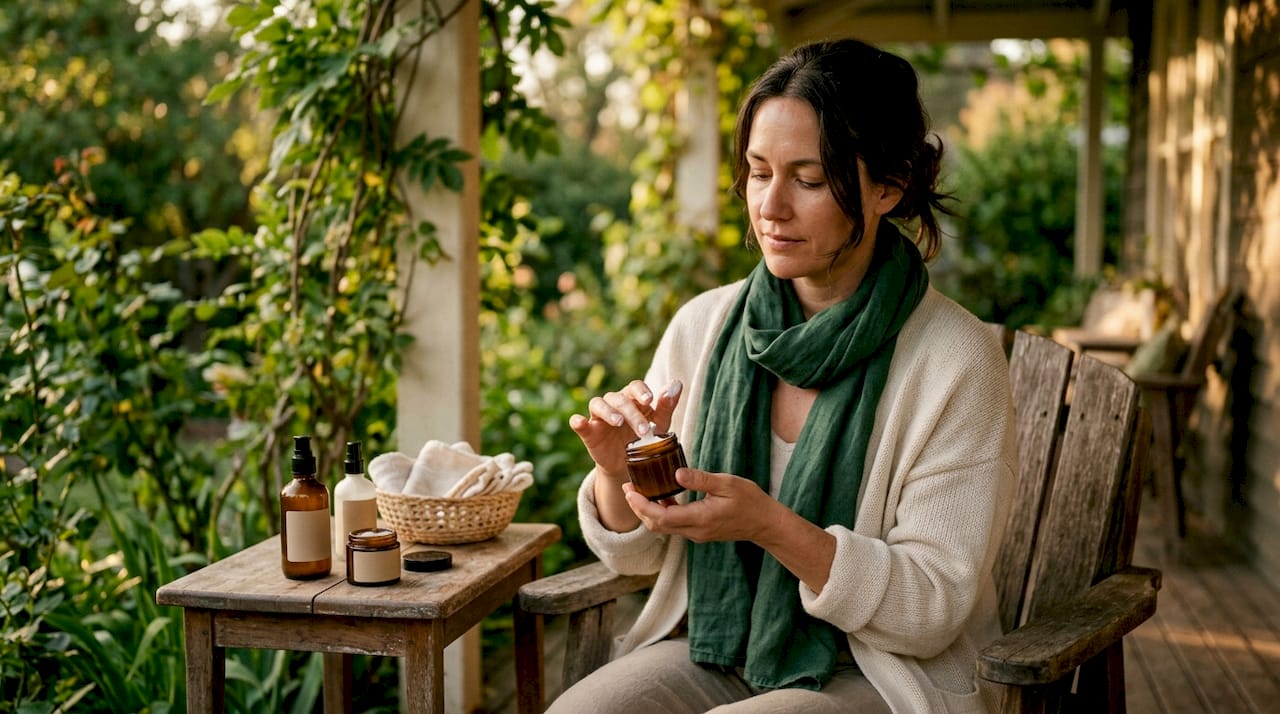
The single most effective habit you can build is moisturizing immediately after washing. Applying a cream or ointment to damp skin traps residual moisture before it evaporates. The Canadian Dermatology Association specifically recommends this practice as a core strategy for managing xerosis and restoring texture.
Not all moisturizers perform equally. Creams and ointments with occlusive agents reduce transepidermal water loss more effectively than lotions, which matters most overnight when your skin does its repair work. Look for these ingredients:
- Ceramides: Rebuild the lipid matrix of the skin barrier directly
- Hyaluronic acid: Draws water into the skin from the environment
- Urea (10–20%): Softens rough patches and acts as a mild keratolytic
- Petrolatum: The most effective occlusive agent available without a prescription
- Glycerin: A reliable humectant that works well in layered routines
Avoid harsh bar soaps, long hot showers, and anything with synthetic fragrance. These strip the barrier faster than any moisturizer can rebuild it. Limiting shower time and using lukewarm water are practical barrier habits that dermatologists consistently recommend.
Pro Tip: Apply your thickest moisturizer or balm within two minutes of stepping out of the shower. That two-minute window is when absorption is highest and water loss is lowest.
How can gentle exfoliation improve rough skin texture naturally?
Exfoliation removes the dead cell layer sitting on top of rough skin, but the method matters more than most people realize. Physical scrubs with coarse particles create micro-tears on already compromised skin. Chemical exfoliants dissolve the bonds holding dead cells together without any friction at all.
The two main categories are alpha hydroxy acids (AHAs) and beta hydroxy acids (BHAs). Each targets a different skin concern:
- Lactic acid (AHA): The gentlest option, ideal for dry and sensitive skin. It exfoliates while also hydrating, which makes it well suited for rough, flaky texture.
- Glycolic acid (AHA): Smaller molecule, deeper penetration, more effective for sun-damaged or thickened skin. Start at low concentrations (5–8%).
- Salicylic acid (BHA): Oil-soluble, so it works inside pores. Best for bumpy or congested skin, including mild keratosis pilaris on the arms.
Dermatologists recommend glycolic, lactic, and salicylic acids for chemical exfoliation and warn against harsh physical scrubs, especially on inflamed or sensitive skin.
| Exfoliant Type | Best For | Frequency | Caution |
|---|---|---|---|
| Lactic acid (AHA) | Dry, sensitive skin | 2–3x per week | Avoid on broken skin |
| Glycolic acid (AHA) | Sun damage, thickened skin | 1–2x per week | Use SPF daily |
| Salicylic acid (BHA) | Bumpy, congested skin | 2–3x per week | Can over-dry |
| Physical scrub | Healthy, non-inflamed skin | 1x per week | Never on active eczema |
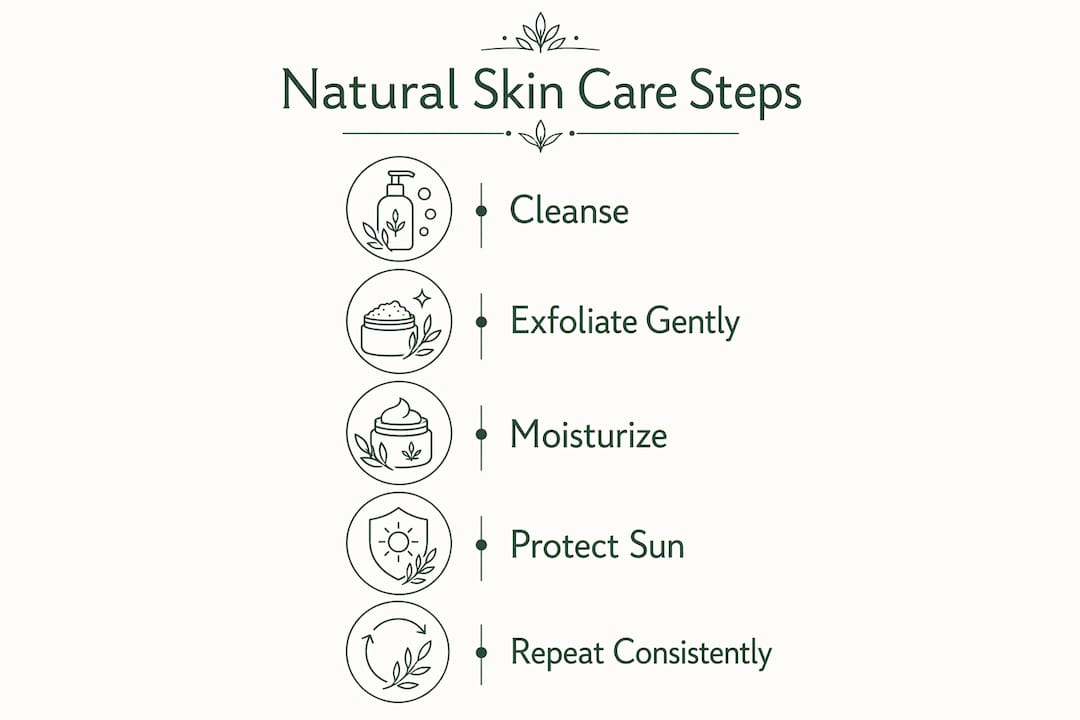
Timing your exfoliation correctly is as important as choosing the right acid. Exfoliating inflamed or tight skin worsens irritation and sets back your progress. If your skin feels tight, stings, or looks red, pause all exfoliants and focus entirely on barrier repair for one to two weeks before reintroducing them.
The correct layering order is: cleanser, exfoliant, then moisturizer. Never apply an acid on top of a dry, cracked surface without following immediately with a barrier-supportive cream.
Pro Tip: If you are new to chemical exfoliants, apply lactic acid only twice a week for the first month. Your skin needs time to adjust before you increase frequency.
What role do retinoids and vitamin c play in skin texture improvement?
Retinoids are the most evidence-backed topical ingredient for improving skin texture. They work by accelerating cell turnover and stimulating collagen production in the dermis. Retinoids improve texture visibly in 4–8 weeks with consistent use, though the first two to four weeks often bring dryness and mild peeling as the skin adjusts.
Vitamin C works differently. It is an antioxidant that neutralizes free radical damage from UV exposure and pollution, both of which degrade collagen and roughen skin over time. Vitamin C serums also brighten uneven tone and support collagen synthesis, making them a strong complement to retinoids in a texture-focused routine.
Key points for using these actives effectively:
- Start retinoids low and slow. Begin with retinol at 0.025–0.05% and increase concentration only after your skin tolerates it without peeling or redness.
- Apply retinoids at night. UV exposure degrades retinol and increases photosensitivity, so nighttime application is standard practice.
- Use vitamin C in the morning. It pairs well with SPF and provides daytime antioxidant protection that sunscreen alone does not deliver.
- Sandwich retinoids between moisturizer layers. Apply a thin layer of moisturizer first, then retinoid, then moisturizer again. This reduces irritation without reducing efficacy.
- Never combine retinoids with AHAs in the same application. The combination over-exfoliates and compromises the barrier. Use them on alternating nights instead.
Combining retinoids and gentle exfoliants with optimized moisturizing balances efficacy with barrier protection, which is the key to sustained texture improvement over time. Patience is not optional here. Rushing the process by stacking too many actives at once is the most common reason people abandon routines that would have worked.
How does sun protection contribute to naturally smoother skin?
UV radiation is one of the leading causes of worsening skin texture. It breaks down collagen, thickens the outer skin layer, and creates the uneven, rough surface that most people associate with aging or sun damage. Daily broad-spectrum SPF 30+ prevents this collagen breakdown and stops existing texture issues from getting worse.
Sun protection also makes every other step in your routine more effective. Retinoids and AHAs increase photosensitivity, which means skipping sunscreen while using them actively undoes their benefits. Think of SPF as the protective layer that lets your actives do their job without interference.
Practical sun protection habits that go beyond sunscreen:
- Wear a wide-brim hat and UV-protective clothing during peak sun hours (10 a.m. to 4 p.m.)
- Reapply SPF every two hours when outdoors, not just in the morning
- Use a mineral sunscreen with zinc oxide if your skin is sensitive or reactive
- Apply sunscreen as the last step in your morning routine, after vitamin C and moisturizer
Skipping sunscreen while working on skin texture is like sanding a wood floor and then leaving the windows open in a rainstorm. The work gets undone faster than you can make progress.
How to adapt natural texture improvement for sensitive or problematic skin
Sensitive skin requires the same core steps as any other skin type, just executed more carefully. The biggest mistake people with reactive skin make is skipping moisturizer because they fear breakouts or reactions. Hydration is not optional. It is the foundation that makes everything else work.
Fragrance-free, gentle products are the standard recommendation for sensitive skin, and persistent red or itchy patches may signal eczema requiring a dermatologist’s evaluation. Do not self-treat active eczema with acids or retinoids.
For keratosis pilaris, the rough bumpy texture on the backs of arms or thighs, hydration alone is not enough. Keratolytics like urea, lactic acid, and salicylic acid target the keratin plug mechanism directly. Consistent use of a urea-based moisturizer (10–20%) combined with a gentle AHA produces 60–80% improvement in texture over 4–8 weeks. There is no permanent cure, but sustained smoothness is achievable with a consistent routine.
Guidance for sensitive and problematic skin types:
- Patch test every new product on the inner arm for 48 hours before applying to the face or body
- Avoid mechanical exfoliation entirely if your skin is inflamed, broken, or actively flaring
- Shift to richer, barrier-supportive creams in winter months when dryness worsens texture
- Use a skincare pH balance approach to avoid disrupting the acid mantle with alkaline cleansers
- See a dermatologist if texture does not improve after eight weeks of consistent barrier care
Pro Tip: For keratosis pilaris, apply a urea cream immediately after showering, then layer a ceramide-rich moisturizer on top. The urea softens the keratin plugs; the ceramides seal in the work.
Key takeaways
Repairing the skin barrier through consistent moisturizing is the single most effective first step to improve rough skin texture naturally, and every other treatment works better on a healthy barrier.
| Point | Details |
|---|---|
| Moisturize on damp skin | Apply cream or ointment within two minutes of washing to lock in moisture effectively. |
| Choose chemical over physical exfoliation | Lactic acid, glycolic acid, and salicylic acid smooth texture without damaging the barrier. |
| Introduce retinoids gradually | Start at low concentrations and increase only after your skin tolerates them without irritation. |
| Wear SPF 30+ daily | Sunscreen protects collagen and prevents UV damage from reversing your texture progress. |
| Adapt for sensitive skin | Use fragrance-free products, avoid exfoliating inflamed skin, and consult a dermatologist for persistent issues. |
What i have learned after years of watching skin routines succeed and fail
The most common mistake I see is people exfoliating their way to smoother skin before their barrier is ready for it. They buy a glycolic acid toner, use it every day, and wonder why their skin looks worse after two weeks. The answer is almost always the same: they skipped the barrier repair step entirely.
The second mistake is impatience. Retinoids take 4–8 weeks to show visible results. Keratolytics for keratosis pilaris take the same. People quit at week three, right before the improvement would have shown up. Consistency over six to eight weeks beats any single product or ingredient.
I have also noticed that people with sensitive skin tend to under-moisturize because they fear reactions. The opposite is true. A well-hydrated barrier is less reactive, not more. Thick creams and ointments with ceramides and petrolatum are your best defense against irritation, not a cause of it.
One practical tip I give everyone: check your natural ingredients for aging skin before building a routine. Knowing which ingredients actually have evidence behind them saves you months of trial and error. And if you want to understand how a single product can handle both exfoliation support and deep hydration, read about how whipped balm smooths rough skin. It changed how I think about simple, ingredient-focused skincare.
— Michael
Try Lordslovebutter for natural barrier repair and smoother skin
If you want a product that does the heavy lifting on hydration without synthetic ingredients, Lordslovebutter is worth your attention.
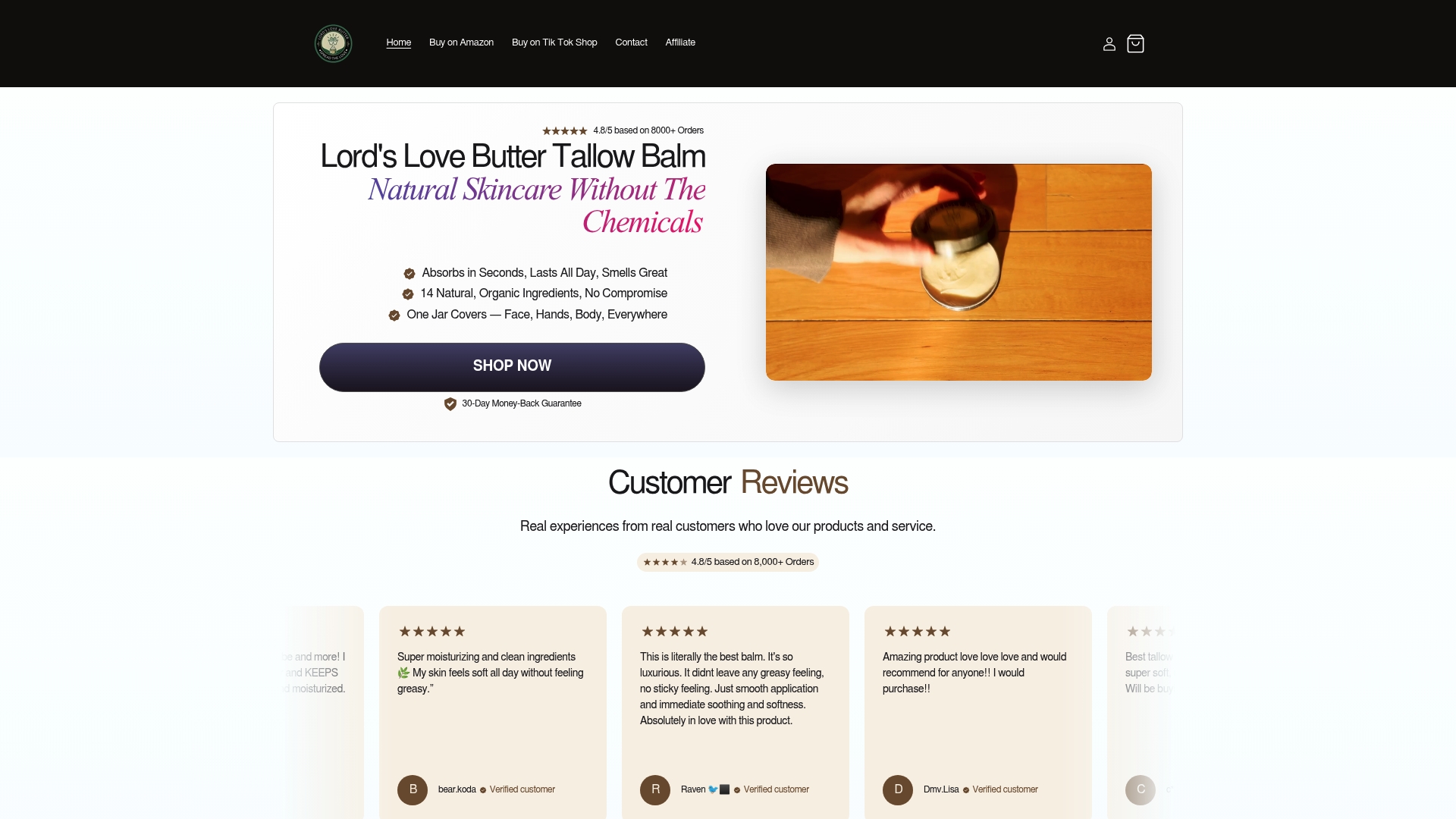
Lordslovebutter’s Whipped Beef Tallow Balm with Manuka Honey is made from grass-fed beef tallow and is completely free of synthetic chemicals. Tallow closely mirrors the lipid profile of human skin, which makes it exceptionally effective at barrier repair. The manuka honey adds natural antimicrobial and humectant properties. Customers with eczema and keratosis pilaris report visible texture improvement within days. Lordslovebutter is a veteran-owned business that puts real ingredients first, and this balm is designed for whole-body use without the greasy residue most heavy creams leave behind.
FAQ
What causes rough skin texture on the body?
Rough skin texture is caused by dead cell buildup, barrier dysfunction, chronic dryness (xerosis), or conditions like keratosis pilaris. UV damage and harsh cleansers accelerate all of these.
How often should i exfoliate rough skin naturally?
Use a gentle AHA like lactic acid two to three times per week. Pause exfoliation entirely if your skin feels tight, inflamed, or irritated, and focus on barrier repair first.
What is the best natural oil for rough skin?
Oils rich in linoleic acid, such as rosehip and jojoba, support the skin barrier without clogging pores. For very dry or rough skin, grass-fed beef tallow closely matches the skin’s own lipid structure and absorbs deeply.
How long does it take to see results from natural skin texture treatments?
Retinoids and keratolytics typically show visible improvement in 4–8 weeks with consistent daily use. Moisturizing and barrier repair produce noticeable softness within days.
Can i improve skin texture at home without seeing a dermatologist?
Most rough skin texture responds well to home remedies for skin texture, including chemical exfoliants, barrier-supportive moisturizers, and daily SPF. See a dermatologist if redness, itching, or roughness persists beyond eight weeks of consistent care.

