

Natural Ways to Plump Dehydrated Skin That Work
Dehydrated skin is defined as a condition where the skin lacks sufficient water content, causing it to appear dull, tight, and fine-lined regardless of skin type. The natural ways to plump dehydrated skin combine internal hydration, topical humectants like hyaluronic acid and glycerin, barrier-supporting oils, and consistent moisturizing routines. Unlike dry skin, which is a skin type caused by low oil production, dehydration is a temporary condition you can actively reverse. Dermatologists recognize a layered approach, starting with water intake and diet, moving through a structured topical routine, and finishing with protective lifestyle habits, as the most effective path to restored skin volume and texture.
What does internal hydration actually do for dehydrated skin?
Drinking enough water is the foundation of any plan to hydrate dry skin naturally, but water alone does not guarantee plump skin. Your skin is the last organ to receive water from what you drink, so dietary support matters just as much as fluid intake. Foods rich in omega-3 fatty acids and antioxidants directly support cellular hydration, improving long-term skin plumpness from the inside out. That means your grocery list is part of your skincare routine.
The best foods for hydrated skin include:
- Fatty fish like salmon supply omega-3 fatty acids that strengthen cell membranes, helping skin hold water more effectively.
- Flaxseed and walnuts provide plant-based omega-3s for people who do not eat fish, with similar benefits for skin moisture.
- Cucumbers, watermelon, and celery deliver high water content along with vitamins that support skin repair.
- Blueberries, leafy greens, and bell peppers provide antioxidants that protect skin cells from oxidative stress, which accelerates dehydration.
- Avocados combine healthy fats with vitamin E, supporting both hydration and the skin barrier.
Indoor environments strip moisture from skin faster than most people realize. Running a humidifier in your bedroom or home office restores moisture to the air, reducing the rate at which your skin loses water throughout the day. This is especially relevant in winter, when central heating drops indoor humidity to levels that rival desert climates. Pairing good nutrition with a humidifier creates the internal and environmental conditions that topical products need to work properly. You can also read more about skin texture and moisture to understand how these factors connect.
How to use humectants and moisturizers to plump your skin
Humectants are ingredients that draw water from the environment and from deeper skin layers into the outer skin. Hyaluronic acid and glycerin are the two most studied and widely available humectants for topical use. Applied correctly, they create a water reservoir in the upper layers of skin, producing the visible plumping effect you want. The key word is “correctly,” because humectants applied to dry skin in a dry room can actually pull moisture out of the skin rather than into it.
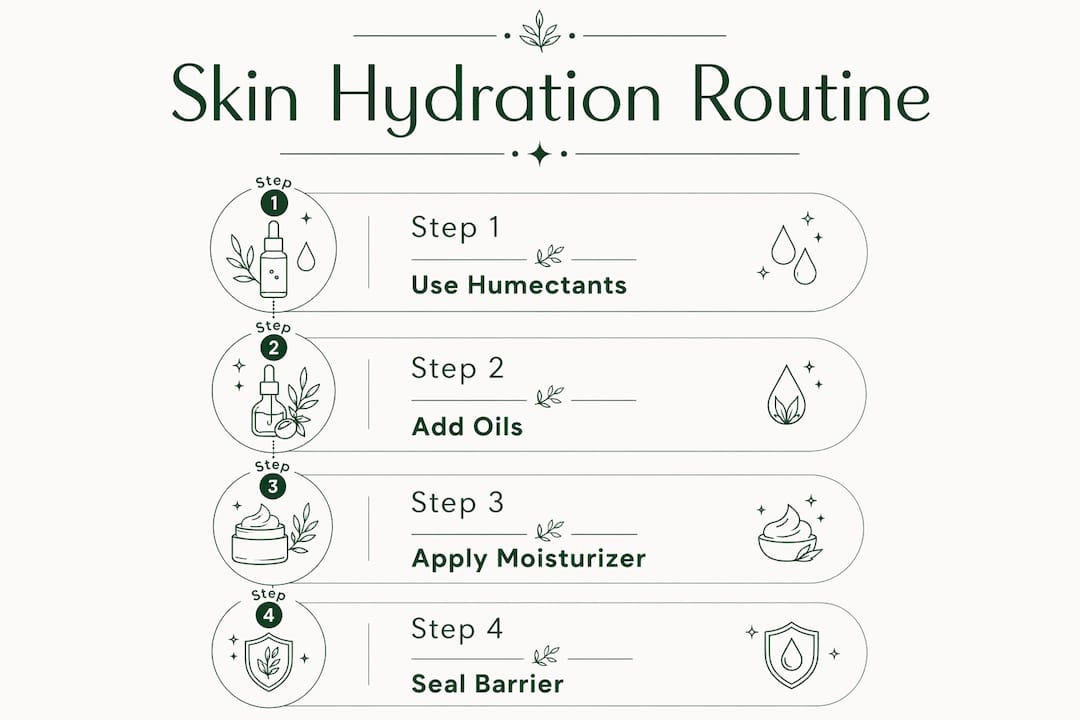
A structured routine makes the difference between results and frustration. Follow these steps consistently:
- Cleanse with a gentle, sulfate-free cleanser. Harsh soaps strip the skin barrier and worsen dehydration.
- Apply your humectant serum immediately on damp skin. Pat your face dry lightly, leaving it slightly moist, then apply hyaluronic acid or glycerin serum within 60 seconds.
- Layer a facial oil over the serum. This seals the humectant and slows water evaporation from the surface.
- Finish with a moisturizer. This locks everything in and provides additional barrier support.
- Repeat after every wash. Moisturizer applied multiple times daily on slightly damp skin delivers measurably better hydration than once-daily application.
Avoid washing your face with hot water. Hot water dissolves the skin’s natural lipid barrier faster than lukewarm water, undoing the work of your routine within minutes. Short, lukewarm showers and gentle cleansers preserve the barrier you are trying to rebuild.
Pro Tip: Apply your humectant serum within 60 seconds of stepping out of the shower, before your skin fully dries. That brief window of surface moisture gives hyaluronic acid the water it needs to pull into the skin rather than drawing it out.
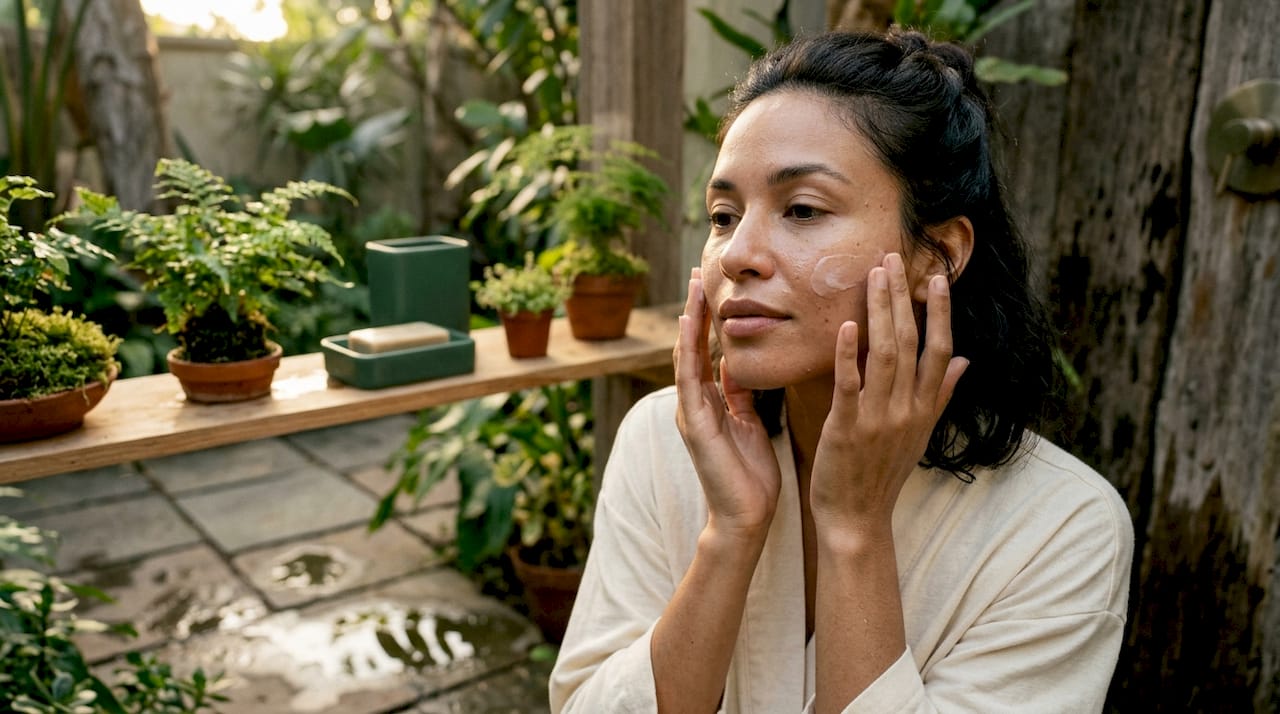
Applying moisturizer on damp skin after bathing uses the skin’s temporarily increased permeability to boost ingredient absorption. This single timing adjustment can improve your results without changing any product you already use. For a complete chemical-free approach to this routine, the whole-body moisturizing guide from Lordslovebutter covers every step in detail.
What are the best oils for hydration and skin barrier repair?
Facial oils are occlusives, not humectants. They seal moisture into the skin rather than adding it. This distinction matters because oil applied alone to dry skin moisturizes only superficially and does not increase actual skin hydration. Oil must always go over a humectant or damp skin to deliver its barrier-sealing benefit.
The fatty acid profile of an oil predicts how well it works for dehydrated skin. Oils high in linoleic acid support the skin barrier and reduce transepidermal water loss more effectively than oils high in oleic acid. The practical takeaway:
- Sunflower seed oil is high in linoleic acid, absorbs quickly, and is well-tolerated by most skin types, including sensitive skin.
- Jojoba oil closely mimics the skin’s natural sebum and works well for both dry and combination skin.
- Grapeseed oil is lightweight, high in linoleic acid, and absorbs without a heavy residue.
- Olive oil is high in oleic acid and can disrupt the skin barrier over time. Dermatologists advise against using it as a daily facial oil for dehydrated skin.
- Rosehip oil provides linoleic acid along with vitamin A precursors, supporting both hydration and skin renewal.
Pro Tip: Warm two or three drops of oil between your palms before pressing it gently onto your face. Pressing rather than rubbing distributes the oil evenly without disturbing the humectant layer underneath.
A three-step routine of humectant, linoleic-rich oil, then moisturizer is the dermatologist-recommended sequence for barrier repair and lasting hydration. In dry winter climates, increase the amount of oil slightly to compensate for lower ambient humidity. Men following a daily skincare routine can find targeted hydration guidance at Norml For Men, which covers step-by-step approaches for skin health. For more on how natural ingredients support skin elasticity, Lordslovebutter’s blog breaks down the science clearly.
Physical and environmental habits that protect and plump your skin
Topical products do most of the visible work, but physical habits determine how long those results last. Facial massage stimulates circulation and can improve skin volume by encouraging lymphatic drainage and collagen production. A two-minute daily massage using your fingertips or a gua sha tool, applied with your facial oil, costs nothing and adds a measurable benefit to your routine over time.
Sun exposure is the single biggest external threat to skin plumpness. UV rays break down collagen and elastin, the structural proteins that give skin its firmness and volume. Wearing a broad-spectrum SPF 30 or higher every morning, even on cloudy days, preserves the collagen you have and prevents the accelerated dehydration that sun damage causes.
Exfoliation supports skin renewal in a way that topical hydration alone cannot. Gentle exfoliation encourages collagen production and removes the layer of dead cells that prevents moisturizers from absorbing properly. Use a chemical exfoliant like lactic acid or mandelic acid once or twice a week rather than a physical scrub, which can cause micro-tears in already compromised skin.
DIY skin plumping masks with glycerin and rosewater are a practical and inexpensive addition to your weekly routine. Mix one teaspoon of glycerin with two tablespoons of rosewater, apply to clean skin for 15 minutes, then follow with your oil and moisturizer. Glycerin draws moisture into the skin while rosewater soothes and tones. This is one of the most effective homemade skin moisturizers you can make with ingredients already found in most pharmacies.
Fabric and environment choices also matter. Sleeping on a silk or satin pillowcase reduces friction and moisture absorption compared to cotton. Choosing breathable, natural fabrics for clothing reduces skin irritation that can worsen barrier dysfunction. Running a humidifier at night, especially in heated rooms during winter, keeps ambient humidity at a level where your skin does not have to work as hard to retain water.
Key Takeaways
Restoring plump, hydrated skin requires a consistent layered routine combining internal hydration, humectants, barrier-sealing oils, and protective physical habits applied daily.
| Point | Details |
|---|---|
| Humectants come first | Apply hyaluronic acid or glycerin on damp skin before any oil or moisturizer. |
| Oil seals, it does not hydrate | Facial oil works only when layered over a humectant or damp skin, not applied alone. |
| Timing is everything | Apply moisturizer within 60 seconds of washing or bathing to lock in surface moisture. |
| Diet supports topical care | Omega-3 rich foods like salmon, flaxseed, and walnuts improve skin hydration from within. |
| Sun protection preserves plumpness | Daily SPF 30 or higher prevents UV breakdown of collagen and elastin. |
What I’ve learned from watching people get this routine wrong
Most people I talk to about dehydrated skin are already using good products. The problem is the order and the timing. They apply oil to dry skin and wonder why their face still feels tight an hour later. They use a hyaluronic acid serum in a dry room and notice their skin feels worse, not better. These are not product failures. They are sequencing failures.
The other mistake I see constantly is treating this as a topical problem only. You can spend a significant amount on serums and still have dehydrated skin if you eat a diet low in omega-3s, sleep in a heated room with no humidifier, and skip sunscreen. The skin reflects what is happening inside and around it, not just what you put on it.
Realistic expectations matter here. A consistent layered routine with the right products in the right order will show visible improvement in skin texture within a few weeks. Full restoration of a compromised skin barrier takes longer, often two to three months of daily consistency. The people who get the best results are not the ones using the most expensive products. They are the ones who do the same simple routine every single day without skipping steps.
Natural remedies for dehydrated skin work. They just require patience and precision, not complexity.
— Michael
Lordslovebutter’s natural balm for barrier support
Sealing in moisture is the final and most critical step in any hydration routine. Lordslovebutter’s whipped beef tallow balm with manuka honey is made from grass-fed beef tallow with no synthetic ingredients, making it a clean occlusive option for people who want to avoid chemical-laden moisturizers.
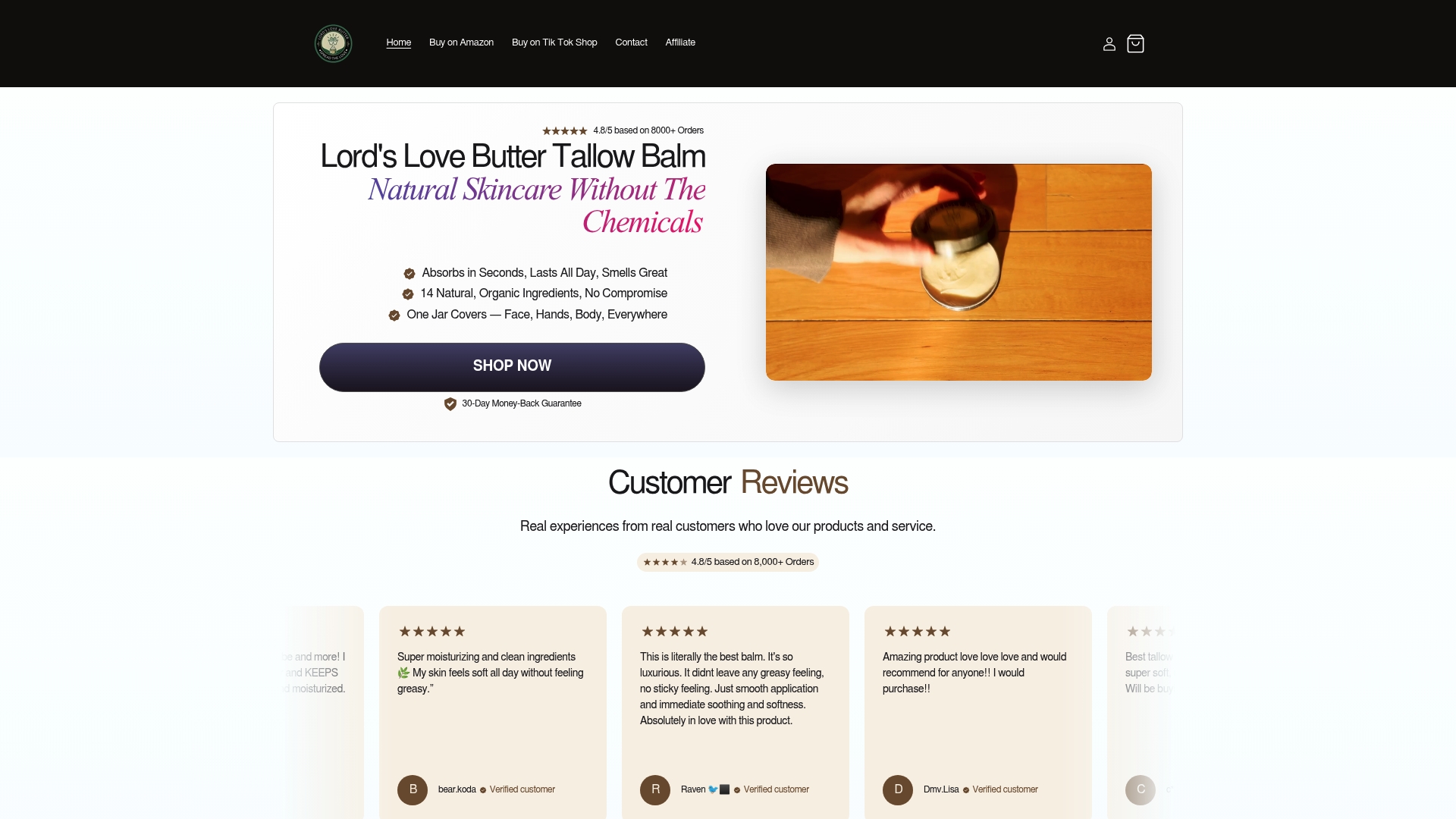
Beef tallow has a fatty acid profile close to human skin lipids, which means it absorbs without a heavy, greasy feel while forming a genuine barrier against moisture loss. The addition of manuka honey brings natural humectant properties, supporting the water-retention step directly in the balm itself. Lordslovebutter is a veteran-owned brand built around the principle that skin responds best to ingredients it recognizes. Customers with eczema and psoriasis report improved texture within days of consistent use. If you are building a natural routine from scratch, this balm fits cleanly into the final sealing step.
FAQ
What is the difference between dry skin and dehydrated skin?
Dry skin is a skin type caused by low oil production, while dehydrated skin is a condition caused by insufficient water content in the skin. Dehydrated skin can affect any skin type, including oily skin.
How do humectants like hyaluronic acid plump the skin?
Humectants draw water into the outer layers of skin, increasing volume and reducing the appearance of fine lines. They work best when applied to damp skin so they pull from surface moisture rather than deeper skin layers.
Can diet really improve skin hydration?
Omega-3 fatty acids from foods like salmon, flaxseed, and walnuts support cell membrane integrity, which helps skin retain water more effectively. Antioxidant-rich foods also protect skin cells from damage that accelerates moisture loss.
Why should I apply moisturizer on damp skin?
Damp skin after bathing has temporarily increased permeability, which allows moisturizer ingredients to absorb more deeply and effectively than on dry skin.
Which natural oils work best for dehydrated skin?
Sunflower seed oil, jojoba oil, and grapeseed oil are the top choices because their high linoleic acid content supports barrier repair without disrupting skin function. Avoid olive oil as a daily facial oil, since its high oleic acid content can weaken the skin barrier over time.

