

Patch Tested Tallow for Cradle Cap, Dermatology Minded Warnings
Tallow balm is a reasonable, gentle option to try for mild cradle cap when applied sparingly and watched closely for irritation. Many parents report that the flakes soften with regular use, but tallow does not treat infection or a spreading rash. If the scalp gets red, swollen, or oozes, stop and call the pediatrician. Otherwise, the routine is simple: warm a small amount, apply, wait, then comb or wash the flakes away.
TL;DR:
- Tallow helps cradle cap by softening flakes through occlusive moisture and providing fat-soluble vitamins to support skin barrier health.
- Use a small amount of tallow, leave it for 30 minutes to overnight, then loosen flakes with gentle brushing or washing two to three times weekly.
- Avoid using tallow if the scalp shows signs of spreading redness, swelling, oozing, or if there is no improvement after two to three weeks.
- Patch-test tallow products first and skip those with added fragrances, essential oils, or honey to reduce risk of irritation.
- Choosing grass-fed, minimally processed tallow with hygienic packaging and a whipped texture improves safety and ease of use for infant skin.
Table of Contents
- What Causes Cradle Cap and How Does Tallow Help?
- How Do You Use Tallow for Cradle Cap Safely?
- When Should You Stop and Call a Pediatrician?
- What Should You Look for in a Tallow Product for Babies?
- Why We Formulate a Grass-Fed, Chemical-Free Tallow Balm
- Try a Small Tallow Balm Before Committing to a Full Jar
- Sources
What Causes Cradle Cap and How Does Tallow Help?
Cradle cap is infant seborrheic dermatitis, a common condition that shows up as greasy, yellowish scales on a baby’s scalp, sometimes spreading to the eyebrows or behind the ears. It usually appears within the first three months of life and clears on its own by six to twelve months. It looks alarming to new parents, but it is not itchy or painful for most babies and it is not contagious.
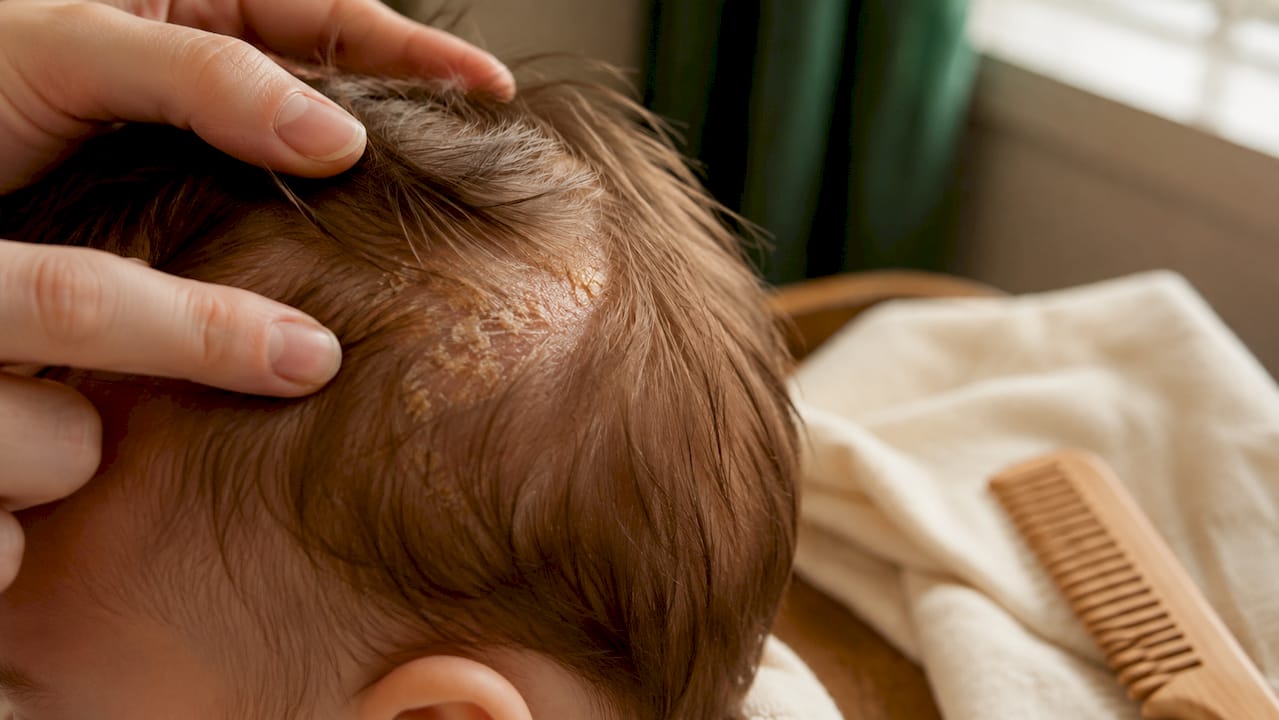
The reason tallow shows up so often in home remedy discussions comes down to its fat structure. Rendered beef fat carries vitamins A, D, E, and K along with fatty acids like oleic, palmitic, and stearic acid that create an occlusive layer on skin. That layer traps moisture underneath it and softens the bonded flakes that make cradle cap look crusty, which is the same mechanism behind why any thick emollient, tallow or otherwise, loosens dry scale.
Here’s the honest caveat: nobody has run a large clinical trial testing pure beef tallow specifically on infant skin. Dermatology commentary points out that anecdotal reports circulating online are not a substitute for controlled research, and coverage from the Los Angeles Times notes dermatologists pushing back on claims that tallow “mimics” human sebum without real data behind them.
What tallow reliably does:
- Softens hardened, stuck-on scale through occlusive moisture
- Delivers fat-soluble vitamins that support the skin’s barrier
- Reduces flaking with consistent, light application
What it does not do: cure a fungal or infected scalp condition, or replace medical treatment when cradle cap turns into something more serious.
How Do You Use Tallow for Cradle Cap Safely?
The routine itself takes only a few minutes, and most of the guidance out there lines up on the basics: apply a small amount, let it sit, then gently work the flakes loose before washing.
- Wash your hands and, if you want, dampen the scalp slightly first. Skip the face and eye area entirely.
- Warm a pea-sized amount of tallow between your fingertips until it turns from solid to a soft, spreadable texture.
- Massage a thin layer over the flaky patches. There is no need to cake it on. A light coat does the job.
- Let it sit. Some parents leave it for 30 minutes before a bath; others leave it on overnight under a soft cap. Start with the shorter window and see how your baby’s skin responds before trying longer sessions.
- Loosen the flakes with a soft baby brush or a damp washcloth, working in gentle circles.
- Shampoo lightly with a mild baby wash to remove the tallow and loosened scale, then rinse well.
- Repeat two to three times a week, not daily. Overdoing it just adds residue without speeding anything up.
Most families notice visible softening within a few days, though results vary and small, uncontrolled reports online shouldn’t be mistaken for guaranteed outcomes.
Pro Tip: If your baby’s scalp starts looking greasy between sessions, wash any hats, burp cloths, or crib sheets that touch the area. Tallow residue transfers easily to fabric and can make the scalp feel worse rather than better if it builds up. For a technique that minimizes leftover residue on skin itself, applying whipped tallow correctly makes a bigger difference than people expect.
When Should You Stop and Call a Pediatrician?
Cradle cap is almost always harmless, but a handful of warning signs mean it’s time to set the tallow aside and get medical eyes on the scalp.
- Spreading redness beyond the original patches
- Swelling, oozing, or a foul smell from the affected skin
- Fever or a baby who seems unusually fussy or uncomfortable
- No improvement after two to three weeks of consistent, gentle treatment
Before committing to regular use, patch-test any tallow product on a small area of your baby’s forearm or behind the ear. Wait 24 to 48 hours and watch for redness, bumps, or swelling. If nothing happens, the scalp is very likely fine too.
A few ingredient notes matter here. Skip anything with essential oils added for infant use. Infant skin metabolizes these compounds differently than adult skin, and pediatric guidance generally advises against them for babies under one year. Products containing honey deserve the same caution. If your baby is being treated with a prescribed medicated cream or shampoo for cradle cap, check with your pediatrician before layering tallow on top. Combining products can dilute a prescription’s effectiveness or, less often, irritate already sensitive skin. Clinical guidance frames tallow as a possible adjunct for dry, flaky skin, not a replacement for medical treatment when the condition doesn’t respond.

What Should You Look for in a Tallow Product for Babies?
Not every tub of tallow on the shelf is built the same way, and the differences matter more for infant skin than for adult hands.
Sourcing comes first. Grass-fed tallow with a short, clear ingredient list tends to carry a more predictable nutrient profile than tallow from conventionally raised cattle, since diet affects the fatty acid and vitamin content of the fat itself.
- Minimal ingredients. The shorter the list, the fewer chances for an additive to cause a reaction.
- No added fragrance or essential oils for infant use, even ones marketed as “natural.”
- Hygienic packaging. A tin or jar that supports clean scooping (a small spatula, not bare fingers every time) cuts down on contamination.
- Whipped, easy-spread texture. A balm that spreads thin without heavy residue means less product ends up needed per use, and less residue left on hats and sheets.
- Clear storage guidance. Tallow is shelf-stable at room temperature, but a product that lists shelf life shows the maker has thought about quality control.
If you’re comparing tallow against other gentle moisturizer types for babies, it helps to see how different natural moisturizers stack up before deciding what fits your baby’s skin.
Why We Formulate a Grass-Fed, Chemical-Free Tallow Balm
We built Lord’s Love Butter around a simple frustration: most skincare aisles are full of synthetic fillers, and parents dealing with something as delicate as a baby’s scalp deserve better than a long ingredient list they can’t pronounce. Our balm starts with grass-fed tallow and stays free of synthetic additives, which is exactly the sourcing standard that clinical guidance points parents toward.
The whipped texture matters more than it sounds. A dense, greasy tallow can sit heavy on a scalp and transfer to bedding. Whipping it changes the consistency so it spreads thin and absorbs faster, without losing the fatty acid content that does the actual work.
None of that replaces a pediatrician’s judgment. Patch-test first, watch for two to three days, and call your doctor if anything looks atypical or fails to improve.
— Michael
Try a Small Tallow Balm Before Committing to a Full Jar
Cradle cap treatment shouldn’t require a cabinet full of specialty products. If the mechanics above made sense to you, the practical next step is trying tallow on a small patch of skin before deciding how much you actually need.
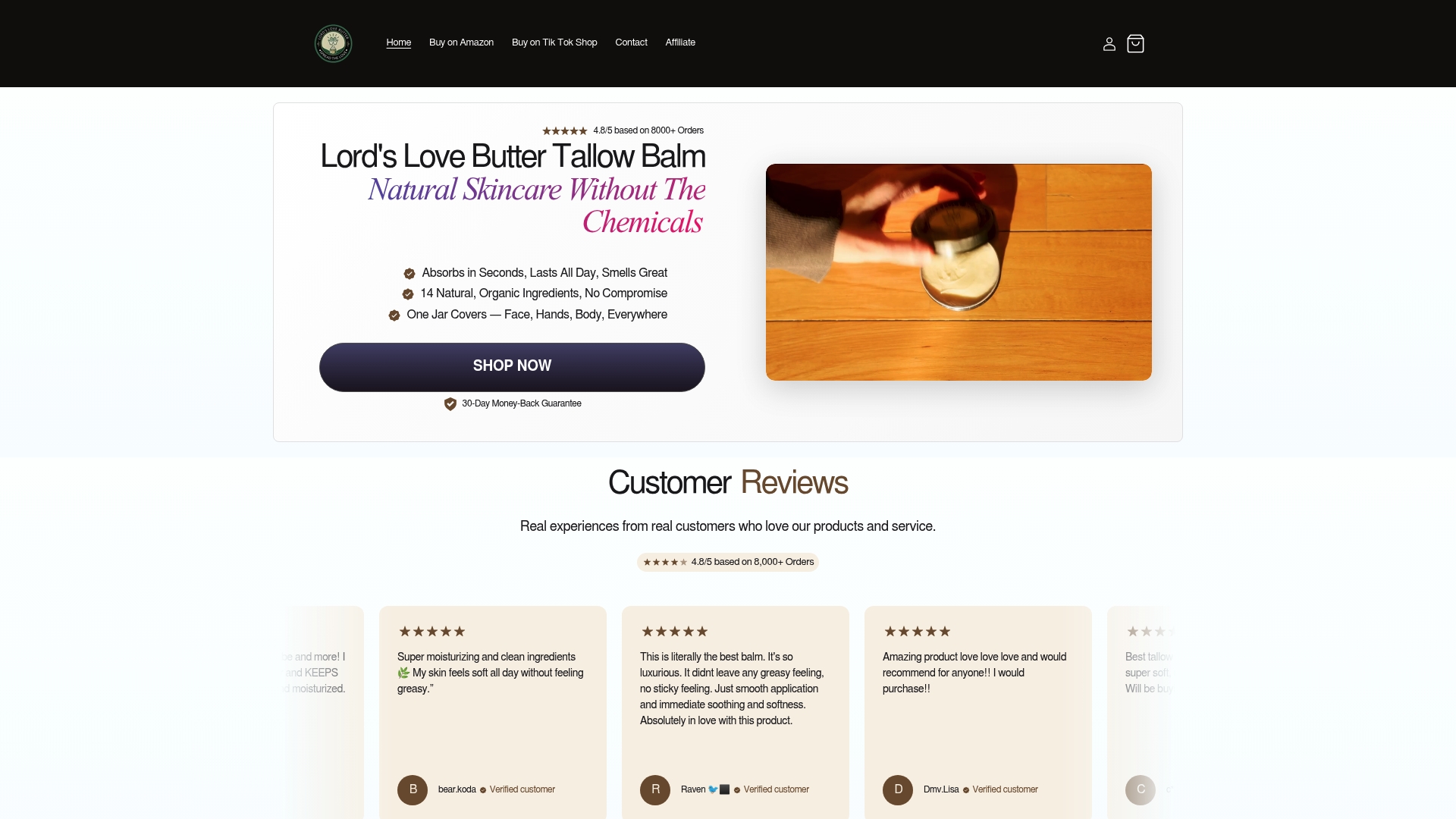
Our Beef Tallow Balm Lite with Manuka Honey gives you a lighter formulation that spreads easily on delicate scalp skin, useful if you’re testing how your baby’s skin responds before going further. For a genuinely low-commitment trial, the 2.4 oz travel tin is sized exactly for that first patch test and a few weeks of scalp treatment, without the cost of a full-size jar. Once you know it works for your baby, the full 2.4 oz jar covers ongoing use for cradle cap and everyday dry skin alike. Every formula is made from grass-fed beef tallow with no synthetic fillers. Grab a travel tin, patch-test on your baby’s arm, and reach out to our customer support team with any questions about your baby’s skin before starting.
Sources
- PubMed Central article (dermatology commentary)
- How to use tallow balm in your daily skincare routine | INTEGRIS Health
- Does beef tallow skincare actually work? Dermatologists weigh in - Los Angeles Times
- Tallow for Babies and Sensitive Skin: A Parent’s Guide | The Tallow

