

Tallow vs Prescription Creams: What Skin Needs to Know
Beef tallow is an animal-based occlusive moisturizer that seals the skin’s surface but lacks the ceramide structure and clinical evidence that prescription creams provide for treating conditions like eczema and psoriasis. Understanding how tallow compares to prescription creams matters because the two products work through entirely different mechanisms. One traps moisture. The other rebuilds the skin barrier at a biochemical level. Choosing the wrong one for a chronic skin condition can delay real healing. This article breaks down the science, the safety concerns, and the practical use cases for both.
How does tallow compare to prescription creams on the skin?
Tallow and prescription creams are not interchangeable. Tallow acts as a surface sealant, trapping existing moisture against the skin but adding no hydration and no structural lipids. Prescription ceramide creams, by contrast, deliver ceramides, cholesterol, and fatty acids in ratios that match the skin’s natural barrier composition. That difference is the core of the tallow vs prescription creams debate.
Tallow’s fatty acid profile includes oleic acid, palmitic acid, and stearic acid. These fats do provide some softening effect on dry, rough skin. But tallow lacks ceramide architecture entirely, which means it cannot rebuild the lipid matrix that conditions like eczema and psoriasis destroy. Prescription creams such as EpiCeram, CeraVe Therapeutic Cream, and Vaniply Ointment are formulated specifically to restore that matrix.
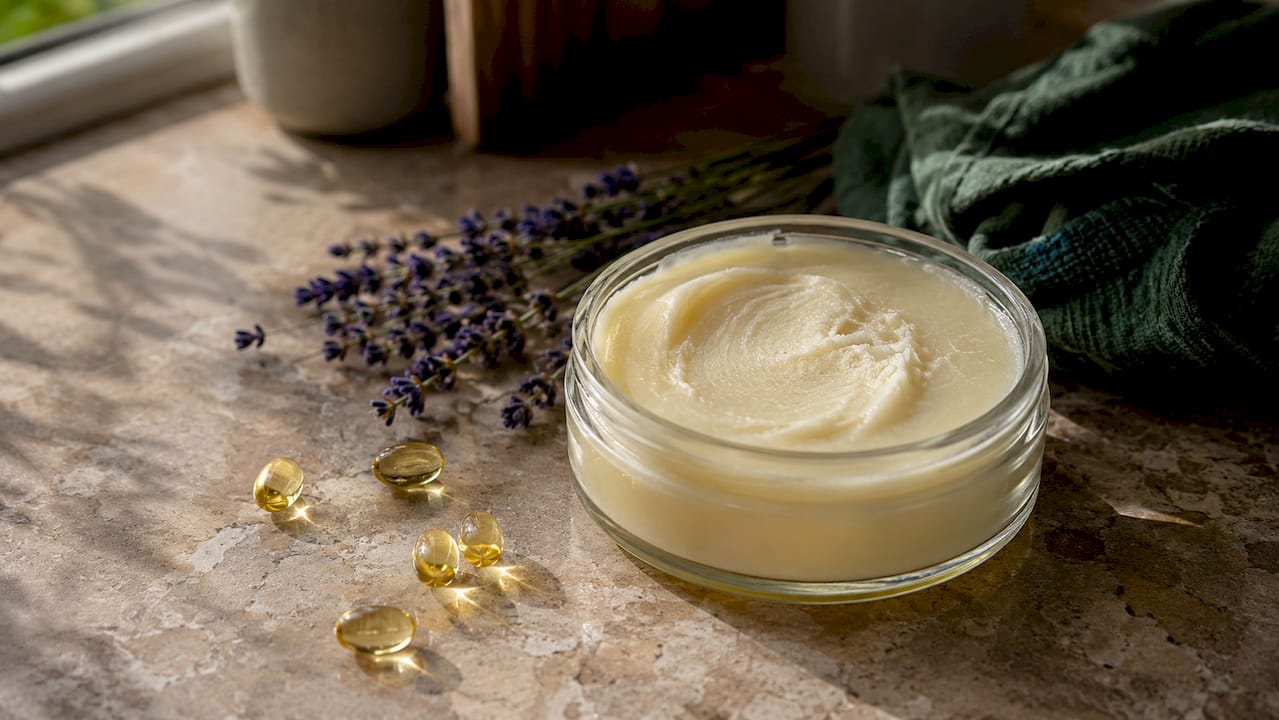
Pro Tip: Apply tallow only after a humectant like glycerin or hyaluronic acid. Tallow traps whatever moisture is already present, so applying it to dry skin seals in dryness, not hydration.
| Feature | Tallow | Prescription ceramide creams |
|---|---|---|
| Primary function | Surface occlusive | Barrier repair and hydration |
| Ceramide content | None | Yes, matched to skin lipid ratios |
| Clinical trials | Zero peer-reviewed | 30+ years of research |
| Comedogenic rating | 2–3 (moderate) | Formulated to be non-comedogenic |
| Suitable for eczema | Limited, not first-line | Yes, first-line treatment |
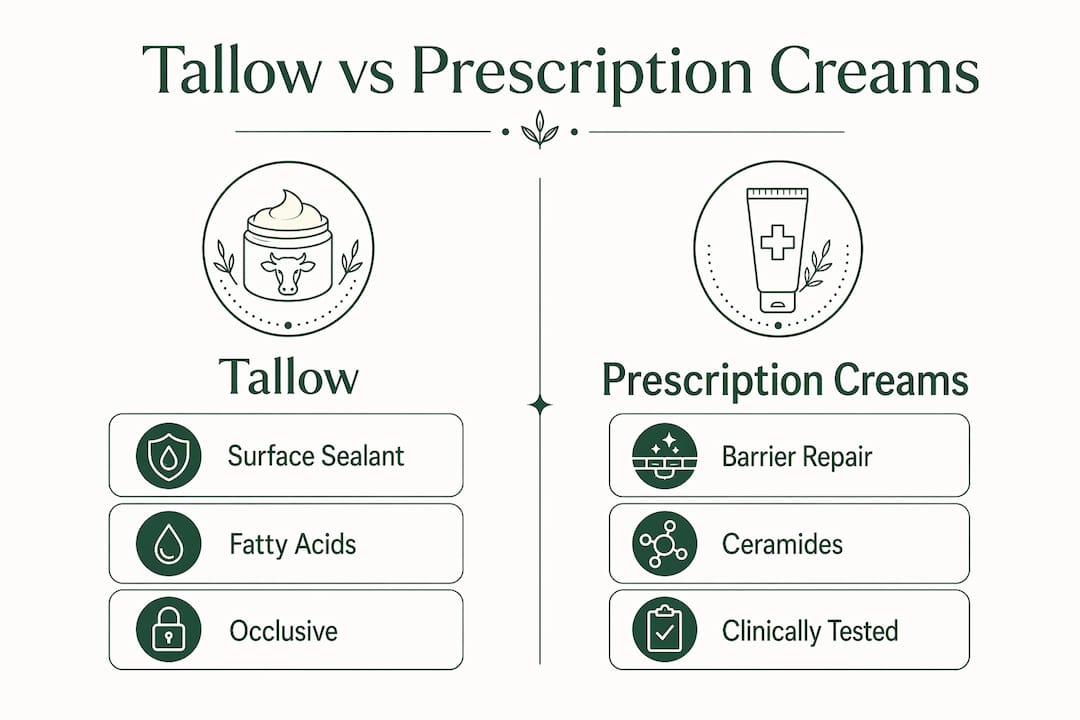
The occlusive function of tallow is real and useful in the right context. For very dry, non-reactive skin on the body, tallow can reduce transepidermal water loss effectively. The problem is that many people with eczema or psoriasis have a compromised barrier that needs active repair, not just sealing.
What does the science say about tallow vs prescription creams?
The evidence gap between tallow and prescription creams is significant. Ceramide creams carry 30+ years of clinical research supporting their use in eczema, psoriasis, and chronic dry skin. Tallow has zero peer-reviewed clinical trials supporting its efficacy for any skin condition. That is not a minor distinction. It is the difference between a treatment and a trend.
Dermatologists at Scripps Health and Curology have both noted that tallow is often misconceived as a bio-identical sebum replacement. The logic sounds reasonable: human sebum contains fatty acids, and so does tallow. But sebum also contains ceramides, squalene, and wax esters that tallow does not replicate. Tallow’s vitamin content, including trace amounts of vitamins A, D, E, and K, falls too low to provide therapeutic benefit equivalent to prescription formulations.
“Natural does not equal safe or effective. Tallow lacks the microbial testing, preservative systems, and clinical validation that prescription creams undergo before reaching patients.” — Dermatology consensus reflected across Scripps Health, Curology, and GlowNoFilter reviews
The absence of clinical trials does not mean tallow is useless. It means there is no scientific framework to guide dosing, frequency, or patient selection. Prescription creams come with that framework built in. For anyone managing a chronic skin condition, that guidance is not optional.
Which skin types benefit from tallow, and when are prescription creams better?
Dermatologists recommend tallow only for a narrow subset of dry skin users: people with very dry, non-reactive skin living in dry climates. Outside that profile, tallow carries more risk than benefit.
Skin types and conditions where tallow is not recommended:
- Acne-prone skin: Tallow’s comedogenic rating of 2–3 increases the risk of clogged pores and breakouts, particularly on the face.
- Oily skin: Adding a heavy saturated fat to already oily skin worsens congestion.
- Rosacea: The occlusive weight of tallow can trap heat and trigger flares.
- Sensitive or reactive skin: Without standardized formulation, tallow introduces unpredictable variables.
- Active eczema flares: Tallow cannot address the inflammation or barrier dysfunction driving the flare.
Prescription creams are the first-line treatment for eczema, psoriasis, and chronic barrier dysfunction. Products like EpiCream and CeraVe Therapeutic Cream deliver ceramides in clinically tested concentrations. For tallow and eczema treatment, the evidence points to tallow as a supplementary occlusive at best, not a replacement for prescribed therapy.
Pro Tip: If you want to explore natural alternatives to prescription creams, start with petrolatum or shea butter. Both have stronger safety profiles and broader dermatological acceptance than tallow for sensitive skin types.
Tallow works best on body areas with thick, dry skin: elbows, heels, and shins. Those areas tolerate heavier occlusives well and rarely develop acne. The face and areas affected by active skin conditions are a different story.
What are the safety risks of using tallow compared to prescription creams?
Tallow carries safety risks that most prescription creams do not. Understanding them helps you make an informed choice rather than an accidental one.
-
Microbial contamination. Unregulated tallow products lack the preservative systems found in prescription creams. Handmade or small-batch tallow balms are particularly vulnerable to bacterial and fungal growth, especially when applied to broken or compromised skin.
-
Comedogenicity. Tallow’s moderate comedogenic rating makes it a real risk for facial acne. Prescription creams are formulated and tested to avoid this problem.
-
Oxidation and rancidity. Tallow contains unsaturated fats that oxidize over time. Rancid fat applied to skin introduces free radicals, which can worsen inflammation rather than calm it.
-
Lack of standardization. Almost no professional skincare brands include tallow in their formulations. The reason is straightforward: stability, microbial safety, and batch consistency are difficult to guarantee without industrial testing infrastructure.
-
No dosing guidance. Prescription creams come with application instructions based on clinical data. Tallow products offer no equivalent framework, which makes it easy to over-apply and clog pores or under-apply and see no benefit.
Proper storage slows some of these risks. Keep tallow products in a cool, dark place and discard any product that smells off or changes color. But storage cannot replace the safety testing that prescription creams undergo before reaching shelves.
How can you use tallow and prescription creams together effectively?
The most effective approach for very dry skin combines the barrier-repair function of prescription ceramide creams with the occlusive function of tallow. Applying ceramide creams first and then sealing with tallow as a second layer in winter has shown benefit for some dry skin users. The ceramide cream does the structural work. The tallow locks in the result.
Practical guidelines for combining both products safely:
- Apply your prescription ceramide cream or medicated treatment first, directly to clean, slightly damp skin.
- Wait 2–3 minutes for the cream to absorb before applying tallow on top as an occlusive layer.
- Limit tallow to body areas, not the face, unless a dermatologist has specifically cleared it for your skin type.
- Use tallow as a nighttime treatment only, when skin is not exposed to environmental debris that could mix with the heavy fat layer.
- Consult a dermatologist before adding tallow to any active treatment plan for eczema or psoriasis.
Natural alternatives to prescription creams that carry fewer risks than tallow include petrolatum (the active ingredient in Vaseline), shea butter, and squalane. All three function as occlusives with better safety profiles for sensitive or reactive skin. For a broader look at animal-based skincare options, the key is matching the product’s mechanism to your skin’s actual need.
Tallow acts purely as an occlusive, trapping moisture but not adding hydration or rebuilding barrier lipids. That means it always works best as a second step, not a standalone treatment.
Key Takeaways
Tallow is a surface occlusive with no clinical trial support, while prescription ceramide creams are the evidence-backed first-line treatment for eczema, psoriasis, and chronic barrier dysfunction.
| Point | Details |
|---|---|
| Tallow is an occlusive only | It seals moisture but does not rebuild the skin barrier or deliver ceramides. |
| Prescription creams have clinical backing | Ceramide creams carry 30+ years of research; tallow has zero peer-reviewed trials. |
| Tallow suits a narrow skin profile | Dermatologists recommend it only for very dry, non-reactive skin in dry climates. |
| Safety risks are real | Tallow lacks preservatives, microbial testing, and standardized formulation. |
| Layering can work for dry skin | Apply ceramide cream first, then tallow as an occlusive seal for best results. |
What I actually think about tallow for skin conditions
I have spent enough time reading dermatology research and talking to people managing eczema and psoriasis to have a clear opinion: tallow is not a treatment. It is a moisturizing tool with a narrow use case.
The tallow trend frustrates me because it conflates “natural” with “effective.” People with genuinely compromised skin barriers are swapping clinically validated ceramide creams for an unregulated animal fat because it feels more wholesome. That trade-off has real consequences. Eczema that goes undertreated leads to more inflammation, more scratching, and more barrier damage. Tallow cannot stop that cycle.
Where tallow earns its place is as an occlusive for very dry body skin in people who do not have acne, rosacea, or active inflammatory conditions. On elbows, heels, and shins in winter, a quality tallow balm can absolutely reduce dryness and improve texture. I have no argument with that use case.
My concern is the face and the chronic condition crowd. If you have eczema, psoriasis, or rosacea, your skin needs ceramides, anti-inflammatory agents, and a dermatologist’s guidance. Tallow gives you none of those things. The benefits of tallow for skin are real but specific. Knowing the difference between “this helps my dry heels” and “this treats my eczema” is the most important thing you can take from this article.
Consult a dermatologist before making any changes to a prescription treatment plan. Natural alternatives to prescription creams can complement medical care. They rarely replace it.
— Michael
Try a quality tallow balm from Lordslovebutter
If you have very dry skin and want to explore tallow as an occlusive layer alongside your existing skincare routine, product quality matters. Lordslovebutter’s Whipped Beef Tallow Balm with Manuka Honey is made from grass-fed beef tallow and contains no synthetic chemicals. The addition of Manuka honey brings natural antimicrobial properties that address one of tallow’s core weaknesses. Lordslovebutter is a veteran-owned brand that prioritizes ingredient transparency and whole-body application. This balm is designed for people who want a clean, chemical-free occlusive option for dry skin areas, used alongside, not instead of, any prescribed treatment.
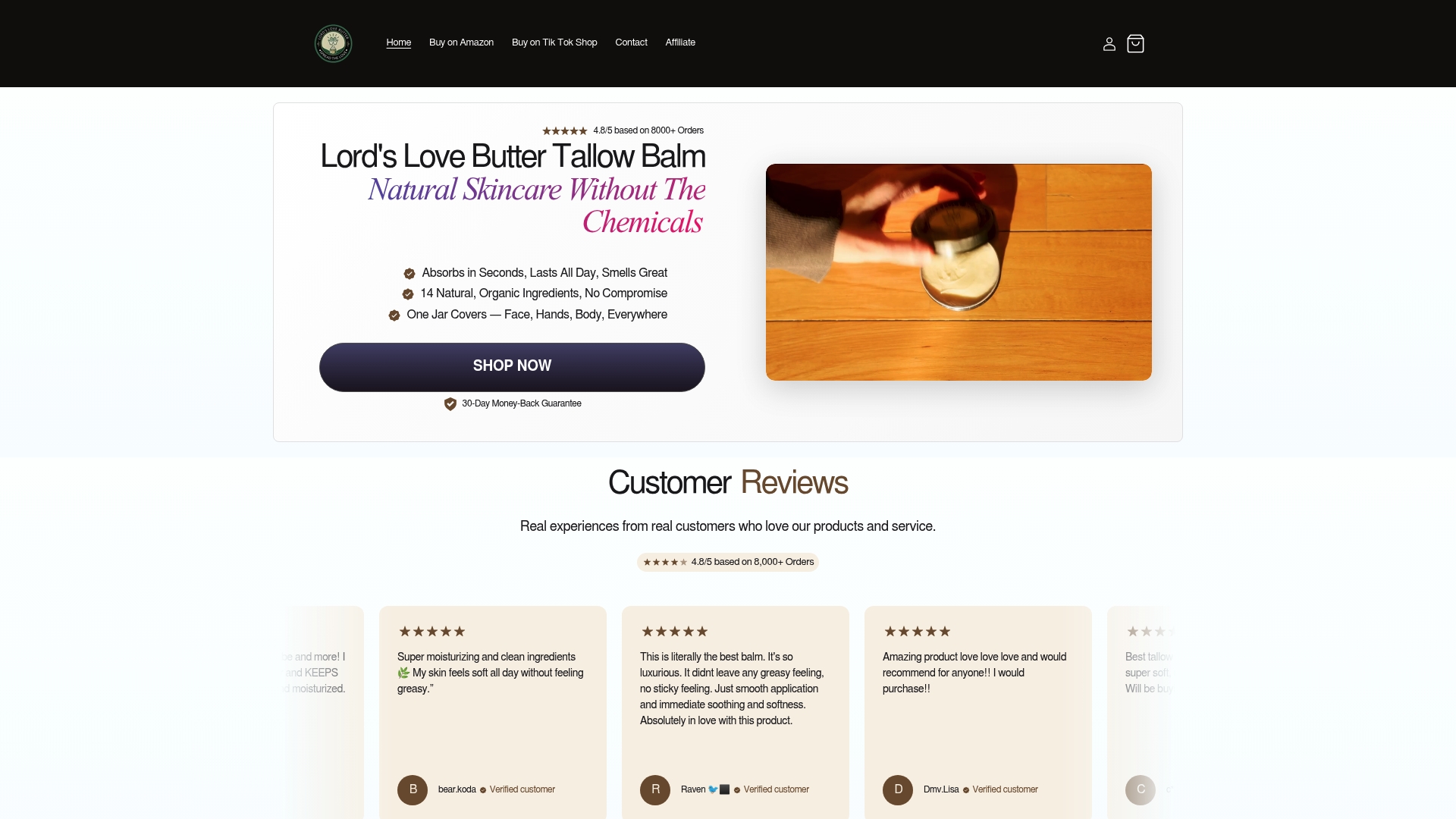
Lordslovebutter’s formulation is built for dry, non-reactive skin. If that matches your profile, it is worth trying as a nighttime occlusive on body areas.
FAQ
Is tallow as effective as prescription creams for eczema?
Tallow is not as effective as prescription creams for eczema. It acts only as a surface occlusive and lacks the ceramides needed to repair the skin barrier that eczema damages.
Can tallow clog pores or cause breakouts?
Yes. Tallow carries a comedogenic rating of 2–3, meaning it has a moderate risk of clogging pores, especially on the face and acne-prone skin.
Is it safe to use tallow on broken or inflamed skin?
Using tallow on broken skin is risky. Unregulated tallow products lack the preservatives and microbial testing that prescription creams undergo, raising contamination risk on compromised skin.
Can you use tallow and prescription creams at the same time?
Yes, with the right layering order. Apply your prescription ceramide cream first, then use tallow as an occlusive seal on top. This combination can benefit very dry skin in winter when barrier repair and moisture retention are both needed.
What are safer natural alternatives to tallow for sensitive skin?
Petrolatum, shea butter, and squalane are all safer natural or naturally derived occlusives for sensitive skin. They carry lower comedogenic ratings and broader dermatological acceptance than tallow for reactive or acne-prone skin types.

