
Squalane works best for lightweight, noncomedogenic daily hydration on oily, acne-prone, or sensitive skin, while tallow suits intensive occlusion and targeted barrier repair on very dry or eczema-prone patches. Patch test either one on your inner forearm first, and skip tallow on active breakouts until the inflammation calms down.
TL;DR:
- The American Academy of Dermatology recommends oil free, noncomedogenic moisturizers for acne, so choose squalane over heavier occlusives when pores are congested.
- For dry skin or eczema, use fragrance free, minimally processed tallow as a targeted overnight treatment instead of applying it broadly.
- Patch test for 24 to 48 hours, then apply two or three squalane drops to damp skin or a pea sized amount of tallow at night.
- Tallow remains unregulated for cosmetic use and lacks large clinical trials; stop using it if redness or itching persists, or new breakouts appear.
Table of Contents
- Squalane vs Tallow: A Quick Comparison
- How Squalane and Tallow Actually Work on Skin
- Which Skin Types Should Use Which Ingredient
- How to Apply Squalane or Tallow Safely
- Why We Formulate With Tallow Instead of Synthetic Oils
- The Real Question Isn’t Which Ingredient Wins
- Try Tallow Where Your Skin Needs It Most
- FAQ
- Sources
Squalane vs Tallow: A Quick Comparison
The two ingredients solve different problems, and the differences show up the moment you touch them. Squalane is thin, fast-absorbing, and nearly odorless. Tallow is thicker, richer, and sits on the skin longer because it is built to block moisture loss rather than sink in.
- Texture and weight: squalane feels like a dry oil and disappears in seconds; tallow feels like a balm and leaves a visible film until it warms into the skin.
- Comedogenic risk: squalane is widely described as noncomedogenic and well tolerated by AAD guidance on acne-safe moisturizers, while tallow’s pore-clogging risk may vary depending on individual skin and processing.
- Stability and shelf life: squalane is hydrogenated, which makes it resistant to oxidation and long-lasting in a jar, according to the Cleveland Clinic; tallow can be more sensitive to heat and light and benefits from careful processing.
- Typical forms: squalane shows up in serums, drops, and lightweight lotions; tallow appears mostly in balms, salves, and whipped butters.
- Best for: squalane for daily, all-over hydration; tallow for targeted, intensive repair on rough or cracked patches.
Squalane is generally recognized as a stable, noncomedogenic emollient suitable for oily and sensitive skin, according to the Cleveland Clinic. That stability is part of why it shows up in so many modern formulations instead of raw squalene.
How Squalane and Tallow Actually Work on Skin
Squalane starts as squalene, an oil your skin already produces as part of its natural sebum. Manufacturers extract squalene from plants like olives or sugarcane, then hydrogenate it into squalane, a process that removes the double bonds that make raw squalene prone to oxidizing and turning rancid. The result is a shelf-stable oil that mimics your skin’s own lipids closely enough to absorb quickly without feeling heavy. That is also why Healthline describes squalane as lightweight and suited to most skin types, including skin prone to breakouts.
Tallow works through a different mechanism entirely. Rendered from beef fat, it is mostly made of oleic, palmitic, and stearic acids, a combination that sits on top of the skin and forms a physical barrier against water loss. That occlusive action is useful when skin is already cracked or inflamed and needs help holding on to whatever moisture it has left. But tallow’s exact fatty acid ratio depends on the animal’s diet and the rendering process, so one batch can behave differently from another, a variability WebMD notes as a reason reactions are harder to predict than with a standardized ingredient like squalane.
In practice, squalane adds a bit of moisture and locks in the rest without weight, while tallow mostly works by sealing in whatever water is already on the skin. That distinction matters for how you use each one, which the next section covers directly.

Which Skin Types Should Use Which Ingredient
Your skin type and current concerns should drive the choice more than brand loyalty to either ingredient.
- Oily or acne-prone skin: reach for squalane first. The AAD recommends oil-free, noncomedogenic moisturizers for people treating acne, since heavier occlusives can trap debris in already congested pores.
- Dry or eczema-prone skin: tallow can perform well here as a targeted overnight treatment, especially when the formulation is fragrance-free and minimally processed. Grass-fed, chemical-free tallow balms reduce the irritation risk tied to lower-quality rendering.
- Sensitive skin with a history of reactions: lean toward pure, standardized squalane, since its consistency makes flare-ups easier to predict and trace. Patch test any tallow product before applying it broadly.
- Mature skin: both have a role. Squalane works well under makeup or sunscreen during the day, while tallow’s heavier occlusion suits an overnight routine focused on rough, dry patches like elbows or heels.
Pro Tip: If your skin feels tight an hour after moisturizing, you probably need more occlusion, not more product, so a thin layer of tallow over a hydrating serum often solves it faster than reapplying the same lightweight oil.
How to Apply Squalane or Tallow Safely
Both ingredients are low-risk for most people, but a few habits make a real difference in how your skin responds.
- Patch test first: apply a small amount to your inner forearm or jawline and wait 24 to 48 hours before using it on your face.
- Squalane, daily use: apply two or three drops to damp skin after cleansing, then layer sunscreen or makeup on top without waiting long for absorption.
- Tallow, targeted use: warm a pea-sized amount between your fingers and press it into damp skin at night, focusing on dry zones rather than your whole face, and avoid active breakouts.
- Watch for warning signs: persistent redness, new breakouts, or itching that does not settle within a few days means you should stop and consult a dermatologist, since beef tallow remains unregulated for cosmetic use and lacks large clinical trials, according to Westlake Dermatology.
Why We Formulate With Tallow Instead of Synthetic Oils
Rendered tallow’s fatty acid profile closely resembles human sebum, which is the biological reason it functions as an effective occlusive rather than just a heavy oil sitting on top of skin, a point we lay out in more depth in how tallow mimics skin sebum for deep hydration. The same lipid overlap is why we built our balm around omega fatty acids, which we cover in how omega fatty acids support dry, eczema-prone skin. Some users managing eczema and dry patches have reported smoother, better-hydrated skin within days of consistent use, though individual results vary and we never claim to replace a dermatologist’s care plan.
We make separate formulations for face and body use, so check which one fits your skin before applying it broadly, and always patch test new areas first, especially if you have a history of reactive skin.
The Real Question Isn’t Which Ingredient Wins
The debate over tallow versus squalane often gets framed as a winner-take-all contest, but that framing misses the point. These two ingredients are not competing for the same job: one is a lightweight daily emollient, the other is a dense occlusive meant for damaged or very dry skin. Picking one exclusively, and dismissing the other as inferior, usually leaves a gap in your routine.

What conventional advice underrates is formulation quality within each category. A poorly rendered, fragranced tallow balm behaves nothing like a clean, grass-fed one, just as a cheap squalane serum cut with filler oils performs worse than a pure one. The ingredient name matters less than what is actually in the jar.
If you take one thing from this comparison, prioritize patch testing and formulation transparency over chasing whichever ingredient is trending. Your skin’s response over two weeks tells you more than any ingredient list ever will.
— Michael
Try Tallow Where Your Skin Needs It Most
If dry patches, rough elbows, or eczema-prone skin have you reaching for the same lightweight serum without relief, a richer, grass-fed tallow balm fills the gap squalane was never built to cover. We keep every formulation free of synthetic fillers and fragrance additives, so you can apply it on sensitive areas with confidence.
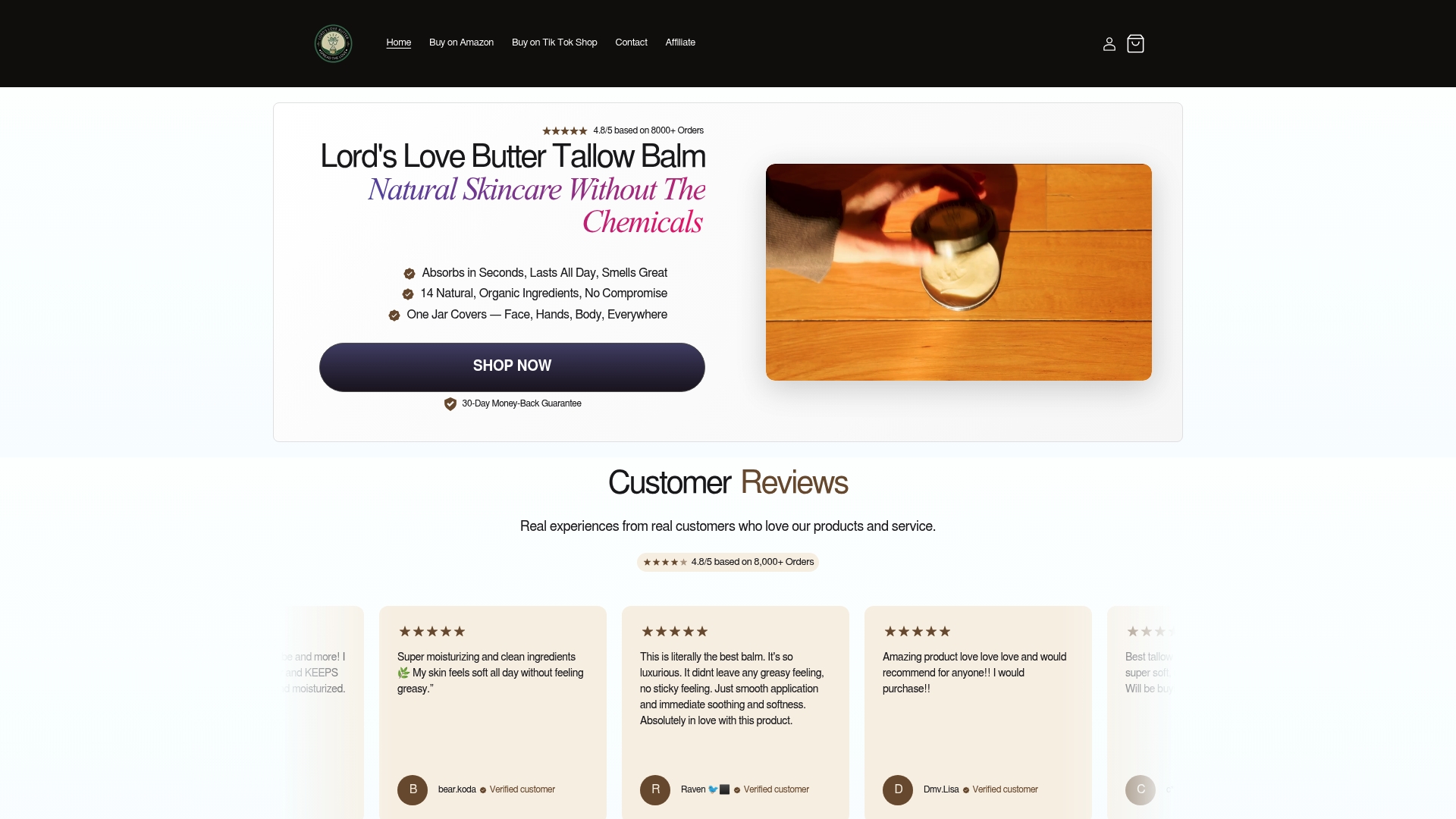
- New to tallow: start with the Whipped Beef Tallow Balm Travel Tin to test it on a small area before committing to a full jar.
- Facial or everyday use: the Beef Tallow Balm Lite gives you a lighter version suited to daily application.
- Lip care: the Mint Tallow Lip Balm uses the same base without water, which helps it last through the day.
- Outdoor protection: pair your routine with the Tallow Sun Balm with Zinc Oxide for daytime coverage.
Browse the full collection to find the right fit, and patch test any new product before applying it broadly.
FAQ
Which is better for skin, lard or tallow?
Tallow, rendered from beef fat, has a fatty acid profile closer to human sebum than lard, which comes from pork fat and tends to be softer and less stable at room temperature. For skincare specifically, tallow’s firmer texture and closer lipid match make it the more common choice in balms and salves.
What is the best form of squalane?
Plant-derived, hydrogenated squalane is the most commonly recommended form because it is shelf-stable and resists the oxidation that affects raw squalene, according to the Cleveland Clinic. Look for a pure, unfragranced version if you have sensitive or acne-prone skin.
Why are dermatologists against tallow?
Some dermatology sources caution that beef tallow is unregulated for cosmetic use, can clog pores depending on the formulation, and lacks large clinical trials proving it outperforms tested moisturizers, as noted by Westlake Dermatology. That caution applies more to inconsistent or poorly rendered products than to carefully sourced, fragrance-free formulations.
Is squalane oil better than marula oil?
Both are emollients, but squalane is generally lighter, more stable in storage, and better suited to oily or acne-prone skin, while marula oil carries more antioxidants and a slightly heavier feel. Choosing between them depends mainly on whether you want the thinnest possible texture or added antioxidant content.
How do I know if tallow is clogging my pores?
Watch for new small bumps or breakouts in the areas where you applied it, typically within a few days to two weeks. If that happens, discontinue use, cleanse the area, and consider switching to a standardized, noncomedogenic option like squalane while the skin settles.
Sources
- Moisturizer: Why you may need it if you have acne – American Academy of Dermatology (AAD)
- Squalane: What It Is and Benefits – Cleveland Clinic
- Squalane: What It Is and Benefits – Healthline
- Beef tallow for skin care: Is the trend really good for skin? – Westlake Dermatology