
The three moves that matter most this winter: apply an occlusive moisturizer within three minutes of stepping out of the shower, keep indoor humidity between 40% and 60%, and cut showers down to short, lukewarm rinses. Do those three consistently and you head off most of what makes cold months brutal for skin. If your plaques still flare despite a tight routine, that’s the signal to call your dermatologist, not push through it. NIAMS backs the moisturizing and humidity basics; brands like Lord’s Love Butter and writers like Michael have built entire routines around the occlusive step specifically.
TL;DR:
- Keeping indoor humidity between 40% and 60% can significantly reduce winter psoriasis flare-ups caused by dry air from heating systems.
- Applying moisturizer within three minutes of showering, especially on plaques, maximizes hydration and prevents dryness from locking in.
- Using occlusive balms overnight on hands and feet, combined with short lukewarm showers, helps manage stubborn psoriasis and fissures in cold weather.
- Phototherapy can effectively replace lost sunlight in winter when used consistently over four to eight weeks under medical supervision.
- Promptly contacting a dermatologist is crucial if plaques rapidly spread, crack, or do not improve after two to three weeks of routine care.
Table of Contents
- Your Daily and Weekly Winter Psoriasis Care Routine
- When Should You See a Dermatologist for a Winter Flare?
- Can Light Therapy Replace Lost Winter Sunlight?
- What Winter Habits Trigger Psoriasis Flares?
- Your 2 to 6 Week Pre-Winter Psoriasis Checklist
- How Lord’s Love Butter Fits Into a Winter Routine
- What Winter Psoriasis Care Gets Wrong
- Build a Winter Kit That Matches How You Actually Use It
- Sources
- FAQ
Your Daily and Weekly Winter Psoriasis Care Routine
Winter psoriasis care lives or dies on timing, not just product choice. Skin absorbs moisture best in the three minutes right after a shower or bath, while it’s still damp. Wait longer than that and you’re locking in dryness instead of moisture.
Morning and night matter differently. At night, reach for a thicker ointment or occlusive balm. Petrolatum, beeswax, and tallow based balms sit on the skin and physically block water loss while you sleep. During the day, a lighter cream that pairs a humectant (something that pulls water in, like glycerin or urea) with a thinner occlusive layer works better under clothes.
- Shower or bathe in lukewarm water, capped at 10 minutes.
- Switch to a fragrance-free, emollient cleanser instead of foaming soap.
- Pat skin dry, leaving it slightly damp.
- Apply your moisturizer within 3 minutes, focusing on plaques first.
- Layer breathable fabric over the moisturized area to trap warmth without friction.
An oatmeal soak once or twice a week can calm itch before you moisturize, especially on larger flare areas.
Indoor heating is often the quiet culprit behind seasonal psoriasis flare-ups. Forced-air heat strips humidity out of a room fast, and cold outdoor air holds almost none to begin with. A humidifier in your bedroom, set to hold the room between 40% and 60% humidity, counters that. Don’t guess. A $15 hygrometer tells you exactly where your room sits, and most people are surprised how dry “comfortable” actually is. Clean the humidifier weekly. A dirty tank breeds mold, which is its own skin and respiratory problem.
Clothing choices either help or sabotage everything above:
- Choose breathable cotton or bamboo blends against plaques.
- Buffer wool sweaters with a soft cotton layer underneath to cut friction and itch.
- Layer loosely rather than tightly. Tight seams rub exactly where you don’t want irritation.
- Swap rough wool socks for soft cotton ones, especially over freshly moisturized feet.
Hands and feet need their own plan. Frequent hand washing in winter (thanks to cold and flu season) strips the barrier fast. Apply a thick barrier cream after every wash, and consider overnight occlusion: a heavy balm under cotton gloves or socks while you sleep. This targeted approach helps with palmoplantar psoriasis, the stubborn kind that hits palms and soles, where cracking and fissures cause real pain, not just cosmetic frustration. Check nails too. Winter dryness worsens pitting and separation in nail psoriasis, so keep cuticles moisturized and nails trimmed short to avoid snagging fabric.
When you’re shopping for products, read labels for ceramides, petrolatum, or urea; for a helpful comparison, see this roundup of the best cream body butter for dry skin. Skip anything with alcohol high on the ingredient list. It feels light going on and dries skin out within hours. For a fuller breakdown of how to stack these layers correctly, see this guide on layering skincare products for cold weather.
Pro Tip: Book a “pre-game” dermatology visit before the cold sets in, not after your skin has already cracked. A visit in October or early November gives your dermatologist time to adjust prescriptions or schedule phototherapy before symptoms peak.
When Should You See a Dermatologist for a Winter Flare?
Topical steroids and vitamin D analogs remain the frontline treatment for most plaques, and both work fine in winter as long as you’re also managing the moisture side of things. A steroid without a moisturizing routine underneath it is fighting a losing battle against dry air.
If topicals stop holding the line, systemic medications and biologics are the next step. These are long-term commitments, not a stopgap for a bad flare week. Starting one in December to “fix winter” without a longer plan usually isn’t how they’re designed to work.
Ask your dermatologist about pre-authorized rescue therapy. Some patients get an approved plan in advance: a stronger topical or a short medication adjustment they can start the moment a flare begins, without waiting on a new appointment.
Contact your dermatologist promptly if you notice:
- Plaques spreading rapidly or covering new areas of the body
- Cracking, bleeding, or open skin, especially on hands or feet
- Joint pain or swelling alongside skin symptoms
- No improvement after two to three weeks of a consistent routine
Can Light Therapy Replace Lost Winter Sunlight?
Sunlight suppresses the skin cell overgrowth behind plaques, so winter’s shorter days and weaker UV genuinely make things worse for a lot of people. Phototherapy exists to fill that gap.
Narrowband UVB is the standard option, delivered either in a dermatologist’s office or through a prescribed at-home unit for patients who need frequent sessions. Regular use over 4 to 8 weeks typically produces visible improvement, though results vary by severity and skin type.
- Schedule sessions consistently. Two to three times a week is common, and gaps in the schedule slow progress.
- At-home units require a prescription and periodic check-ins so dosing stays correct as your skin responses.
- Never substitute a tanning bed. It lacks the specific UVB wavelength phototherapy uses and carries different skin cancer risks.
- All phototherapy should run under medical supervision, not as a DIY project.
What Winter Habits Trigger Psoriasis Flares?
Stress and mood dip together in winter, and stress is a well-documented flare trigger on its own. A few minutes of daily mindfulness or a short walk outside during daylight hours helps more than people expect.
Diet won’t cure psoriasis, but heavy alcohol intake and binge eating during holiday season tend to correlate with worse flares in many patients. Leaning toward anti-inflammatory foods, omega-3 rich fish, and colorful vegetables gives your skin a better baseline to work from.
Winter viral infections, especially strep throat, are a known trigger for flare-ups, and close to 4 in 10 people with psoriasis report winter as their worst season for exactly these overlapping reasons. Getting a flu shot and washing hands regularly cuts your exposure.
- Keep radiators from blasting direct heat on skin. Point vents away from where you sit.
- Run a humidifier anywhere you spend hours: bedroom, home office, living room.
- Try low-impact indoor exercise, yoga or a treadmill walk, on days outdoor movement isn’t practical.
Your 2 to 6 Week Pre-Winter Psoriasis Checklist
Getting ahead of winter psoriasis relief beats chasing a flare once it starts. Six weeks out, book that dermatology visit and discuss whether phototherapy or a rescue plan makes sense for your history.
- Refill topical prescriptions before you’re down to the last tube.
- Patch-test any new moisturizer or balm on a small area for 3 to 5 days before full use.
- Buy a humidifier and hygrometer; set your target an appropriate indoor humidity range now.
- If prescribed, schedule your first phototherapy session before cold weather peaks.
- Assemble a hand and foot kit: heavy occlusive cream, cotton gloves and socks, and lip balm for chapped skin.
How Lord’s Love Butter Fits Into a Winter Routine
Michael, who writes much of Lord’s Love Butter’s practical skin content, treats the brand’s whipped tallow balm as one occlusive option among several, not a replacement for medical care. Applied post-shower on damp skin, or worked into palms and soles overnight under cotton gloves, it functions the same way any heavy occlusive does. As with any new product, patch-test it first, and loop in your dermatologist if flares are severe or spreading.
What Winter Psoriasis Care Gets Wrong
Most winter psoriasis advice treats moisturizing as an afterthought tacked onto medication. That’s backwards. The routine you build around your skin, damp application, humidity control, shorter showers, matters as much as what’s in the tube, because a steroid applied to bone dry skin barely penetrates the way it should.
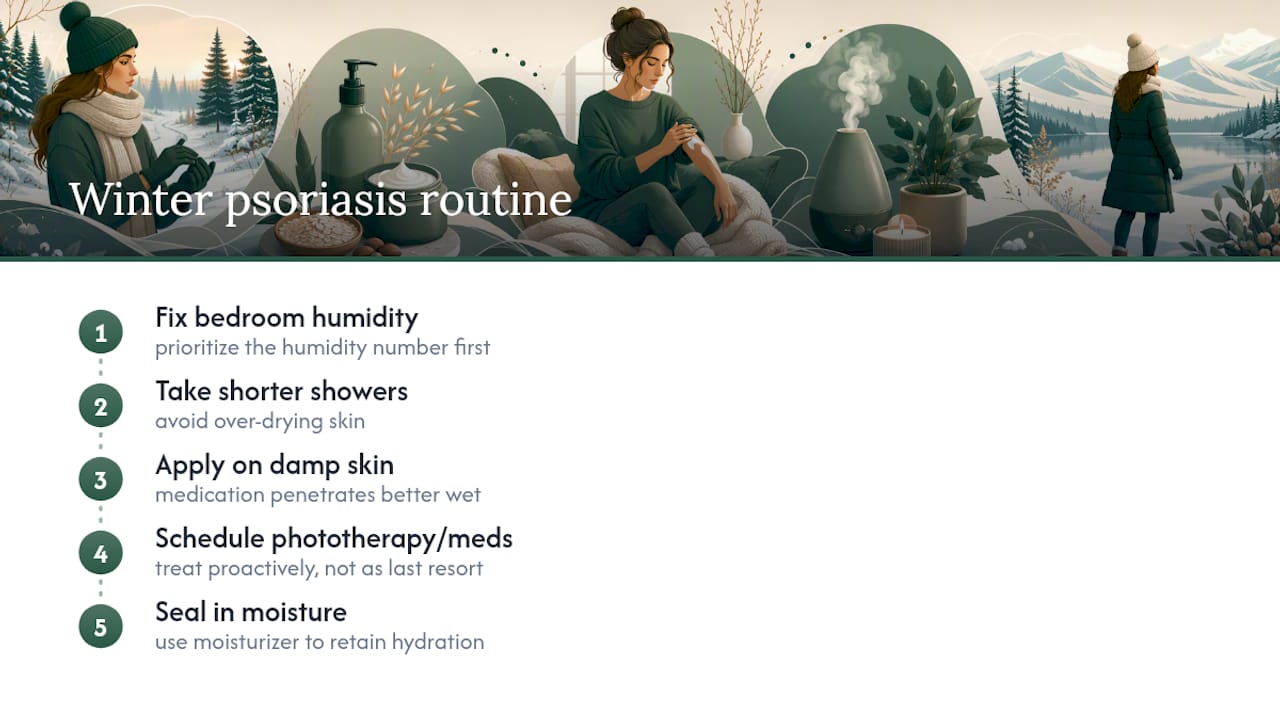
The other place conventional advice falls short: it treats phototherapy as a last resort instead of a scheduled part of winter, the way you’d schedule a flu shot. If you know winter hits you hard every year, waiting until January to call your dermatologist means you’re managing damage instead of preventing it.
What I’d prioritize first, ahead of any product: the humidity number in your bedroom. Most people have no idea how dry their heated home actually gets, and no moisturizer fully compensates for air that’s actively pulling water back out of your skin all night. Fix that first. Everything else works better once you do.
— Michael
Build a Winter Kit That Matches How You Actually Use It
Different areas need different formats, and matching the right one to the right use is where a lot of winter routines quietly fail. The Whipped Beef Tallow Balm with Manuka Honey & Propolis in the 2.4 oz tin works well for body and targeted plaque hydration, thanks to a formula free of synthetic fillers and chemicals. The jar version suits a bathroom counter where you’ll reapply daily. For lips left cracked by cold wind, the Mint Tallow Lip Balm 3-Pack covers that without needing a separate product hunt.
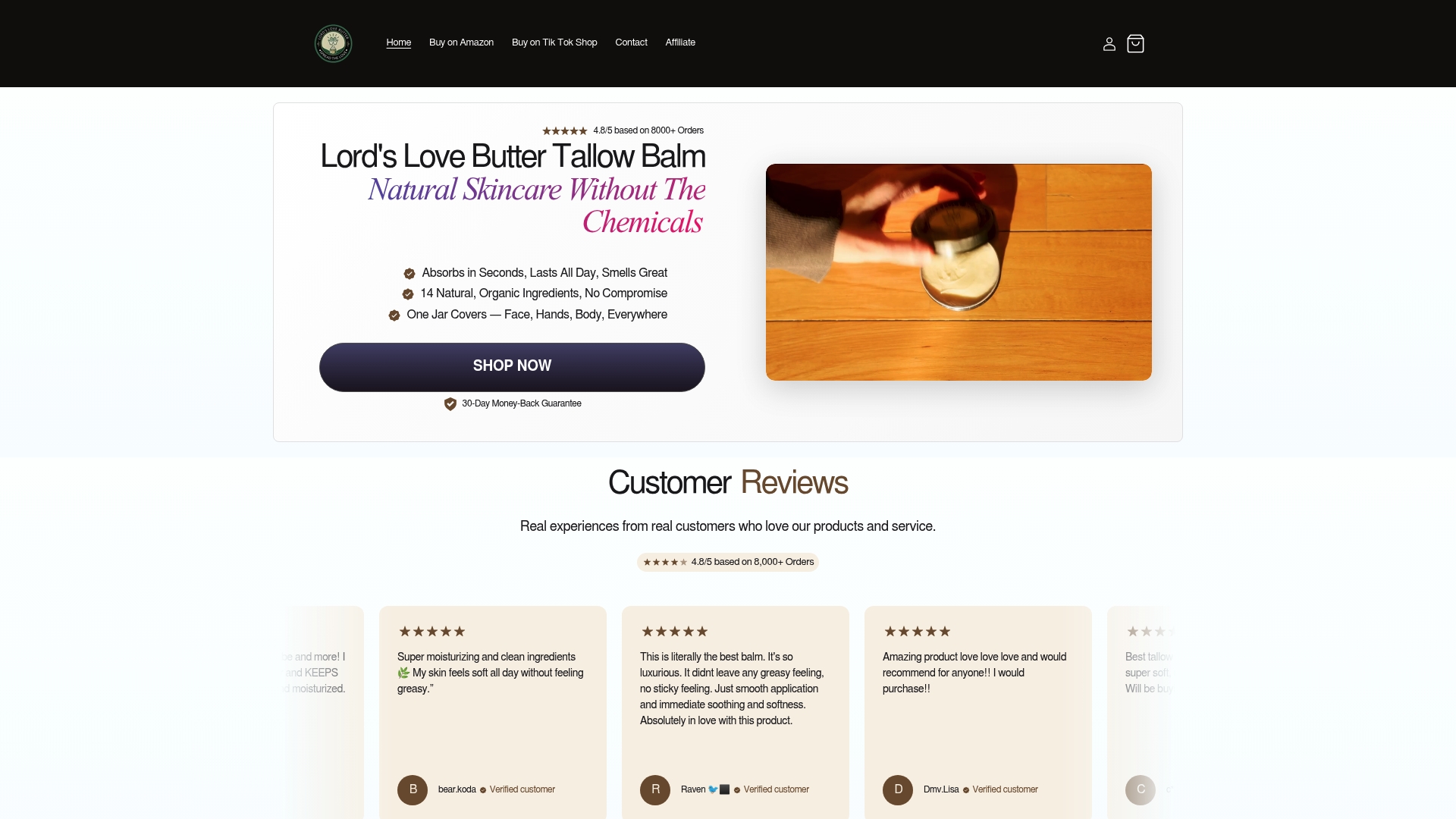
If you’re heading outside for winter sun or reflective snow glare, the Tallow Sun Balm 2-Pack with Zinc Oxide gives you mineral protection without synthetic sunscreen chemicals irritating already sensitive skin. Before working any new balm into your full routine, patch-test it on a small area of skin for three to five days and watch for irritation, the same conservative approach dermatology sources recommend for any new topical. Once it checks out, the Tin + Lip + Sun Balm Bundle covers body, lips, and outdoor exposure in one order, with a customer satisfaction policy.
Sources
- Why Your Psoriasis Flares Up in Winter (And What Helps) - Healthline
- Phototherapy and psoriasis — PMC review
- Cold Weather, Hot Flares: Winter Survival Tips for Psoriasis and PsA - National Psoriasis Foundation
This article is general information, not a substitute for advice from a qualified doctor. Consult a qualified healthcare professional about your own circumstances before acting on anything here.
FAQ
What Calms a Psoriasis Flare-Up Fast?
Lukewarm (never hot) showers under 10 minutes, followed by an occlusive moisturizer applied while skin is still damp, calm most flares within days. Oatmeal soaks can ease itching in the short term, and a fragrance-free routine prevents added irritation while a flare settles.
What Is the Biggest Trigger for Psoriasis in Winter?
Dry indoor heating combined with cold, low-humidity outdoor air is the most consistent winter trigger, stripping moisture from skin faster than most routines replace it. Stress, viral infections like strep throat, and reduced sunlight compound the problem, and nearly 4 in 10 people with psoriasis name winter as their worst season.
What Do Dermatologists Recommend for Dry Skin Remedies in Winter?
Dermatologists consistently recommend occlusive moisturizers with ceramides, petrolatum, or urea, applied within minutes of bathing, alongside a humidifier keeping indoor air between 40% and 60% humidity. Fragrance-free products and shorter, cooler showers round out the core recommendations across most clinical guidance.
How Much Does Lord’s Love Butter Cost?
Pricing for Lord’s Love Butter’s tallow balms, lip balm, and sun balm is listed directly on the product collection page, since prices can shift with bundle size and promotions. Checking there gives you the current figure rather than an outdated one repeated elsewhere.
Can You Safely Get Sun Exposure for Psoriasis in Winter?
Yes, brief, unprotected exposure on clear winter days can help, but UV intensity drops significantly compared to summer, so it rarely replaces prescribed phototherapy for moderate to severe cases. Talk to your dermatologist before relying on natural sunlight alone, especially since snow glare can increase UV exposure to skin you didn’t intend to expose.