

Heal Cracked Skin in a Week: Balm vs Lotion for Dry Patches
A balm is an oil-and-wax, occlusive treatment built for targeted, intensive repair. A lotion is a water-based emulsion made for light, all-over daily hydration. The rule of thumb: reach for balm on cracked heels, chapped lips, or eczema-prone patches, and reach for lotion when you just want fast, non-greasy moisture after a shower.
TL;DR:
- Balms are best for targeted, intensive repair of cracked or damaged skin, especially on small areas like lips or heels, due to their occlusive, oil-based formulas.
- Lotions excel for quick, all-over hydration on large skin surfaces because they absorb rapidly and leave minimal residue.
- Balms tend to be heavier and longer lasting but can clog pores on acne-prone skin, while lotions are lighter and more suitable for sensitive or oily skin types.
- Applying water-based products before balms enhances moisture retention, with layering making a significant difference in skin repair speed.
- Seasonal changes influence choice: switch to balm during winter dryness and revert to lotion in humid, warmer months for optimal skin comfort.
Table of Contents
- Balm vs Lotion: The Side-by-Side Breakdown
- What Emollients, Humectants, and Occlusives Actually Do
- How to Choose Between Balm and Lotion
- Layering Balm and Lotion for Faster Results
- Where a Grass-Fed Tallow Balm Fits This Routine
- A Simple Way to Split Balm and Lotion Duty
- Ready to Try a Tallow Balm? Here’s Where to Start
- Sources
Balm vs Lotion: The Side-by-Side Breakdown
The core difference comes down to what each product is mostly made of. Balms skip water almost entirely, relying on oils, butters, and waxes like beeswax, shea butter, and tallow to build a protective seal. Lotions are water-based emulsions with ingredients like glycerin and hyaluronic acid suspended in a mostly liquid base, which is why they pour and pump instead of scoop.
That formula gap shows up the second you touch each one. Lotion feels thin, spreads in seconds across your arms or legs, and vanishes into skin almost immediately. Balm feels dense, needs a bit of warming between your fingers before it moves, and sits on the surface longer because it’s built to form an occlusive layer rather than soak in fast.
Absorption speed and finish tell the real story of where each one belongs:
- Lotion sinks in within a minute or two and leaves skin feeling dry to the touch, which is why it works so well under clothes or makeup.
- Balm sits on top longer and leaves a faint sheen, trading a slower finish for a stronger, longer-lasting barrier.
- Large areas (arms, legs, torso) favor lotion simply because spreading balm over that much skin gets messy and uses way more product.
- Small, damaged spots (lips, heels, knuckles, elbows) favor balm because you need concentrated repair, not broad coverage.
Weather changes the calculation too. In cold, dry winter air, skin loses moisture faster than lotion can replace it, so a lot of people who use lotion happily all summer switch to balm on their hands and lips the moment the heat kicks on. In hot, humid months, that same balm can feel like overkill. Byrdie’s dermatologist-sourced texture guidance groups moisturizers by weight for exactly this reason: heavy for damage control, lighter for maintenance.
What Emollients, Humectants, and Occlusives Actually Do
Every moisturizer, balm or lotion, leans on three types of ingredients. Humectants (glycerin, hyaluronic acid) pull water into the skin’s surface. Emollients (plant oils, squalane) smooth and soften by filling gaps between skin cells. Occlusives (beeswax, tallow, petrolatum) form a physical seal that stops water from escaping.
Lotions lean heavily on humectants diluted in water. Balms lean almost entirely on emollients and occlusives with no water to dilute them, which is why a small amount of balm goes further than it looks.
That water content difference has a practical consequence most people never think about: water-based formulas need preservatives to stop bacteria and mold from growing, while anhydrous balms generally don’t. If you’re trying to avoid added preservatives, that’s a real point in balm’s favor.
There’s a tradeoff, though. Because balms are concentrated and oil-heavy, heavier formulas can clog pores on acne-prone skin. If you break out easily on your face, a non-comedogenic lotion is the safer daily choice, and balm should stay reserved for spot treatment on hands, feet, or eczema patches, not full-face use.
Quick reference:
| Ingredient type | Job | Common example |
|---|---|---|
| Humectant | Draws in water | Glycerin, hyaluronic acid |
| Emollient | Softens, fills gaps | Squalane, plant oils |
| Occlusive | Seals moisture in | Beeswax, tallow, shea butter |
How to Choose Between Balm and Lotion
Run through five factors before you buy either one: skin type, the specific area you’re treating, how greasy a finish you can tolerate, how often you’re willing to reapply, and the season.
- If you have chronic cracks, eczema, or psoriasis flare-ups, choose balm. It sits longer and delivers more lipid-rich repair per application than lotion can.
- If you want something light for everyday, all-over use, choose lotion. It absorbs fast enough to layer under clothes without a residue problem.
- If your skin is oily or acne-prone, stick with a non-comedogenic lotion on your face and save balm for hands, feet, or elbows only.
- If winter air is cracking your knuckles or heels, switch that specific area to balm even if you use lotion everywhere else.
- Watch for red flags on either type: added alcohols and fragrance can irritate sensitive skin, and heavy comedogenic oils (coconut oil is the classic offender) are worth avoiding if you’re breakout-prone.
Pro Tip: Keep both in your bathroom instead of picking one. A basic lotion for your whole body, plus a small balm for problem spots, covers nearly every situation without you having to compromise on either.
Layering Balm and Lotion for Faster Results
Order matters more than most people realize. Apply your water-based product first, let it absorb for a minute, then seal it with balm on top. Doing it backward wastes the humectant, because oil blocks it from reaching the skin at all.
- Damp skin, right after washing: apply a thin layer of lotion or a hydrating serum, then follow immediately with balm on any dry or cracked areas.
- Overnight occlusion for hands and feet: apply balm generously to cracked heels or knuckles, then cover with cotton socks or gloves before bed. This traps warmth and moisture against skin all night, and people with severely dry hands often see visible improvement within a few days of doing this consistently.
- Lips and small spots: a pea-sized amount of balm reapplied two or three times a day beats one thick layer applied once. A lip balm primer worth reading breaks down why thin, frequent layers outperform one heavy coat.
Pro Tip: Don’t skip the water step before balm on your face. Balm alone on bone-dry skin just seals in the dryness instead of fixing it.
Where a Grass-Fed Tallow Balm Fits This Routine
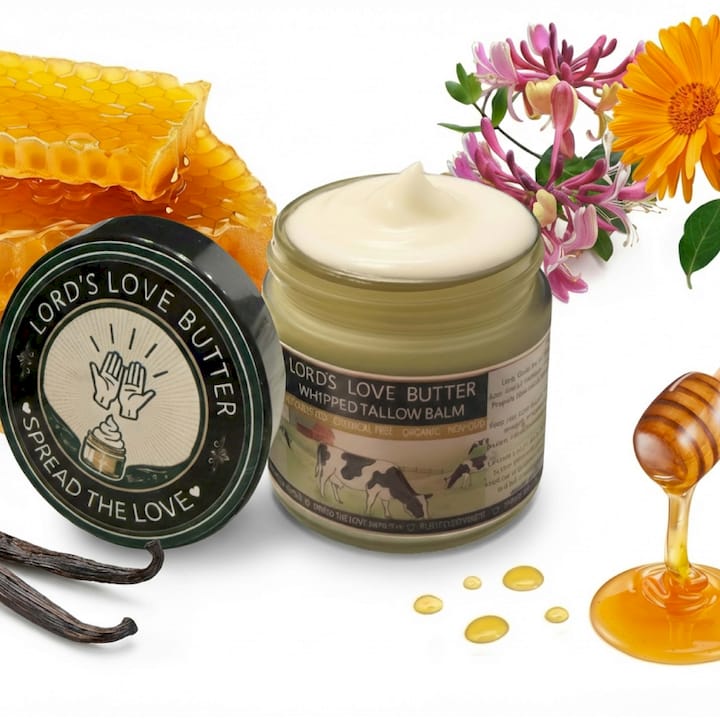
Not every balm is built the same, and this is where formulation matters. Grass-fed beef tallow has a fatty acid profile that closely resembles human sebum, which is part of why tallow-based balms have a long history in barrier repair. Lordslovebutter builds its whole line around that idea, adding Manuka honey and squalane for extra support without synthetic fillers, and you can read more about how anhydrous balm locks in moisture in the brand’s own breakdown.
Different jobs call for different jars:
- Whole-body daily use, less greasy feel: the Original Beef Tallow Balm Lite with Manuka Honey.
- Brightening plus repair: the Vitamin C Whipped Beef Tallow Balm with Manuka Honey & Squalane.
- Sensitive skin, eczema, or psoriasis-prone patches: any of the whipped balm formats, applied sparingly at first.
If you’ve never used a tallow-based product before, patch-test on your inner forearm for 24 hours before applying it broadly, especially if your skin reacts easily to new products.
A Simple Way to Split Balm and Lotion Duty
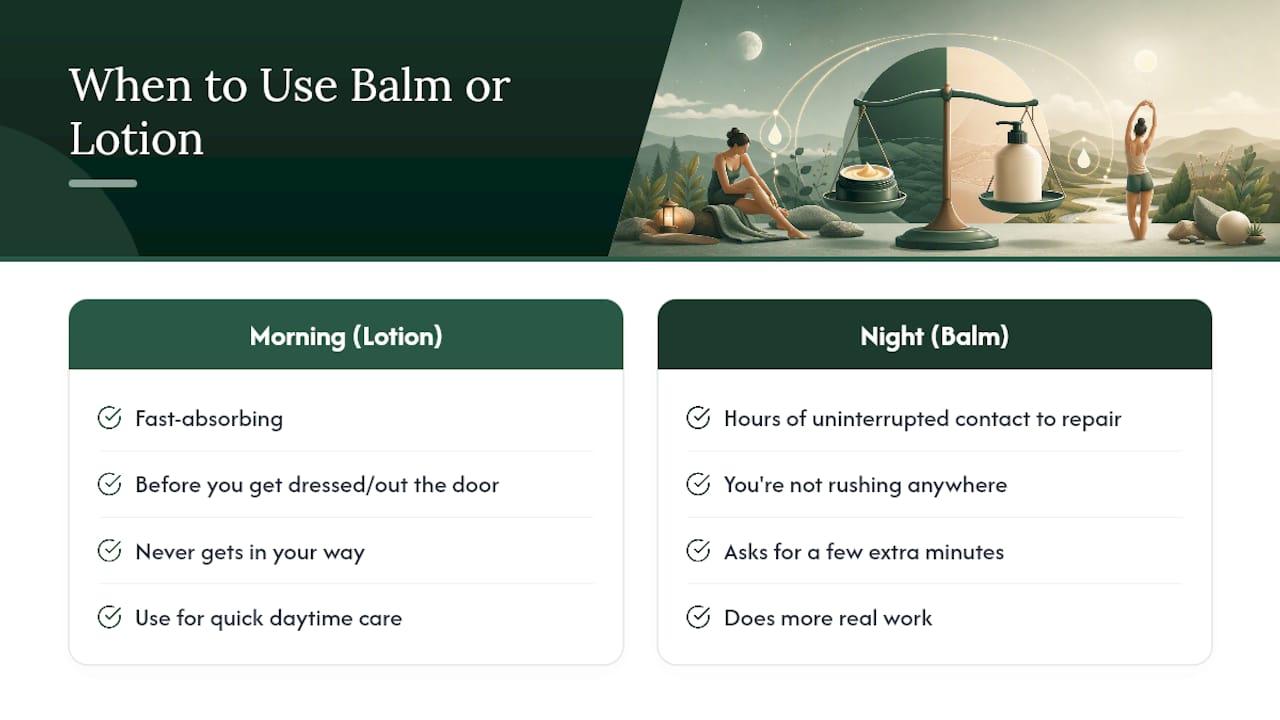
Mornings favor lotion, since you need something fast-absorbing before you get dressed and out the door. Nights favor balm, because you’re not rushing anywhere and your skin gets hours of uninterrupted contact to actually repair.
The tradeoff is convenience against depth. Lotion never gets in your way; balm asks for a few extra minutes but does more real work. Try splitting them this way for a week and watch how your problem spots respond. Your skin will tell you fast whether it wants more balm or less.
— Michael
Ready to Try a Tallow Balm? Here’s Where to Start
If chapped hands, dry heels, or stubborn eczema patches are the problem lotion never quite solves, that’s exactly the gap Lordslovebutter’s whipped tallow balms are built to close. Instead of diluting active ingredients in water like a standard lotion, every jar is concentrated oils and butters from the first scoop, so a little covers a lot of ground.
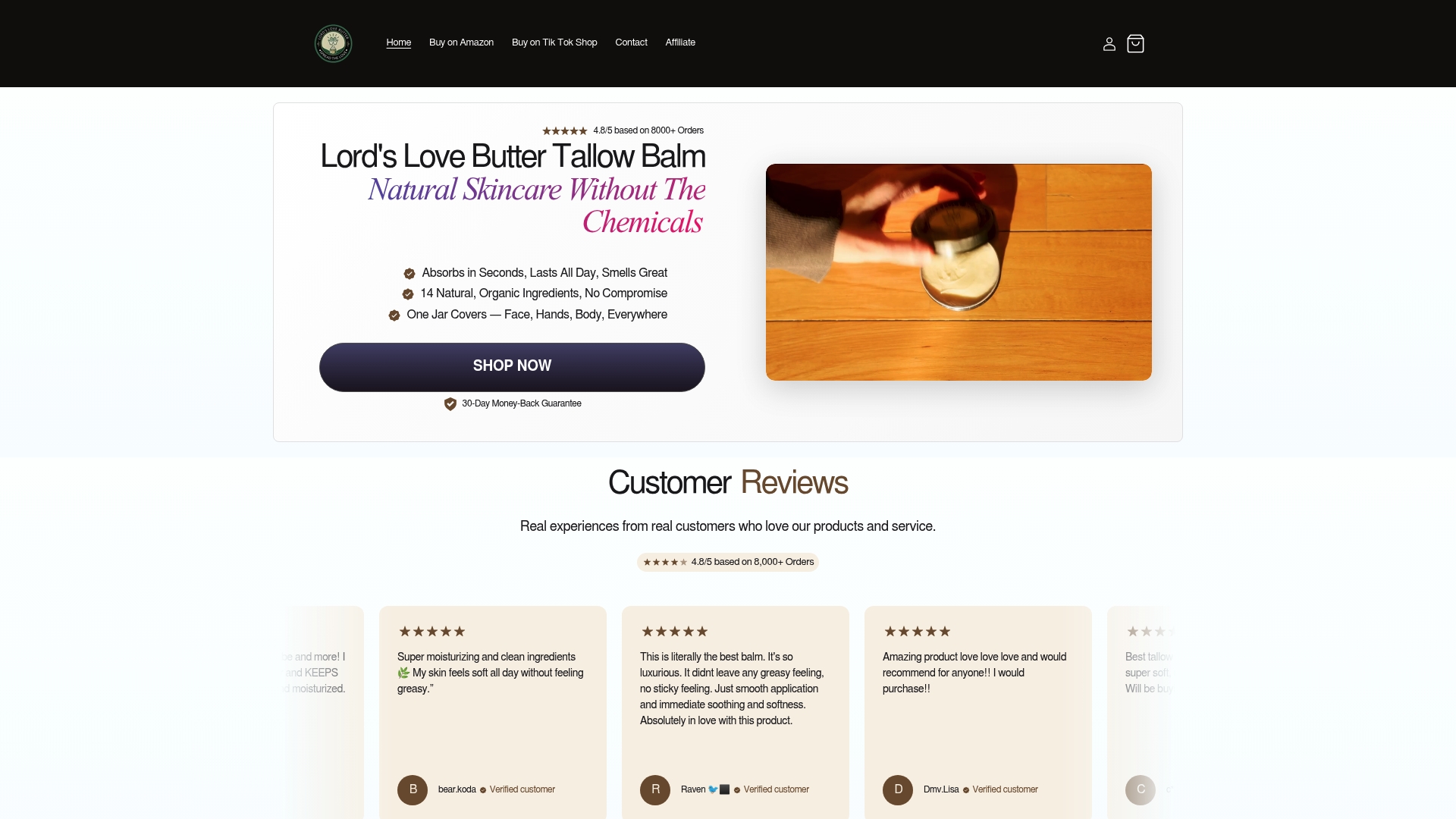
Start with the Original Beef Tallow Balm Lite with Manuka Honey if you want an everyday, whole-body option with less greasy feel. If your goal is brightening alongside repair, the Vitamin C Whipped Beef Tallow Balm with Manuka Honey & Squalane or the Tallow Face Duo with Vitamin C, Squalane, and Rosehip Oil pairs both jobs in one routine. For travel or spot treatment on the go, the 2.4 oz tin fits a bag or desk drawer, while the full-size 2.4 oz jar suits daily home use. Want both textures without guessing which to buy first? The Tallow Total Care Kit bundles Vitamin C and Lite in two deluxe tins.
Expect skin to feel noticeably softer within the first week, faster on cracked spots treated with overnight occlusion. Patch-test first if you have very reactive skin, then apply nightly and adjust from there.
Sources
- Ointment vs. Cream, Lotion, and Gel: What Makes Them Different? — Healthline
- Cream vs. Lotion vs. Gel Moisturizers — Byrdie

