

Clinician Minded Healing: Whipped Tallow Balm for Cracked Hands
The fastest way to heal cracked hands is consistent use of an occlusive, nutrient-dense balm applied after every hand washing and again before bed under cotton gloves. Look for one built around a proven itch-relief ingredient like a standard colloidal oatmeal concentration recognized for itch relief alongside real occlusives that lock moisture in rather than just sitting on top of skin. A chemical-free whipped beef tallow balm, like the ones Lordslovebutter makes, checks both boxes without synthetic fillers.
TL;DR:
- An effective natural balm for cracked hands should prioritize occlusives like beeswax or tallow combined with emollients such as shea butter, avoiding unnecessary fragrances and alcohol.
- Products containing colloidal oatmeal are backed by FDA recognition for soothing itch and irritation, especially for eczema-prone skin, with concentration standards clearly established.
- Consistent application, especially immediately after washing and overnight under cotton gloves, accelerates barrier repair and prevents cracks from reopening.
- Rebuilding skin takes two to four weeks of daily routines, with deeper fissures potentially requiring more than six weeks of regular treatment.
- Patch testing new natural balms is essential to prevent allergic reactions, particularly for sensitive or eczema-prone skin, and avoid products with overly complex ingredient lists.
Table of Contents
- How to choose a cracked hands natural balm
- Key healing ingredients and what the evidence says
- Daily and intensive routines for treating cracked hands naturally
- Do natural balms work for eczema-prone hands?
- Why whipped beef tallow works for cracked, damaged skin
- Common mistakes people make treating cracked hands with balm
- How long does it take to heal cracked hands naturally?
- How weather and daily habits make cracked hands worse
- Which Lord’s Love Butter balm fits your cracked hands
- An honest note on what actually works
- Sources
How to choose a cracked hands natural balm
Not every “natural” balm on the shelf actually repairs skin. Some just smell nice and sit on the surface for twenty minutes before your hands feel dry again. The difference comes down to three categories of ingredients, and a good cracked hands natural balm usually layers all three.
Occlusives form a physical seal over the skin, slowing water loss through the outer layer. Beeswax, lanolin alternatives, and beef tallow fall into this group. Humectants pull water into the skin from the air and deeper tissue layers. Glycerin and honey do this well. Emollients fill in the gaps between skin cells, smoothing rough patches and reinforcing the lipid barrier. Shea butter and ceramides are classic emollients.
For cracked, fissured skin, you want a formula that leans heavily occlusive with emollient support. Humectants alone can backfire in dry winter air, since they draw moisture from wherever is available, including deeper skin layers, if there is no humidity to pull from outside.
Here is what to scan for on a label before you buy:
- Look for: colloidal oatmeal, shea butter, beeswax or tallow, ceramides, manuka honey, vitamin E
- Avoid or limit: added fragrance, essential oil blends layered on top of each other, denatured alcohol, high concentrations of urea if your skin is already cracked or raw
- Packaging cues: water-free balms typically need fewer preservatives since bacteria need water to grow, which is one reason whipped tallow balms often list short, simple ingredient panels
- Trust signals: “fragrance-free” is more reliable than “unscented” (which can still contain masking fragrance), and “hypoallergenic” claims should be backed by a short ingredient list you can actually read
Pro Tip: Flip the product over before you flip through reviews. If the ingredient list has more than 12 to 15 items, or you can’t pronounce half of them, that complexity increases your odds of a reaction, even with a product marketed as “natural.”
Key healing ingredients and what the evidence says
Not all healing claims carry the same weight. Some ingredients have real regulatory backing behind them, while others are folk remedies riding on the coattails of the word “natural.”
Colloidal oatmeal has the strongest evidence base of any over-the-counter itch ingredient. The FDA recognizes a standard colloidal oatmeal concentration recognized for itch relief as a skin protectant that temporarily relieves minor irritation and itching, which is why it shows up in eczema-specific product lines rather than just general moisturizers. The National Eczema Association lists oatmeal-based itch relief balms as steroid-free options that deliver noticeable comfort without the rebound effects some topical steroids cause with long-term use.
a standard colloidal oatmeal concentration recognized for itch relief is the standard concentration recognized for temporary relief of minor skin irritation and itching in over-the-counter skin protectant products.
Occlusives do the heavy lifting for actual barrier repair. Beeswax has been used for centuries because it forms a breathable film. Beef tallow goes a step further: its fatty acid profile closely resembles the lipids naturally found in human skin, which is part of why it absorbs differently than petroleum-based alternatives.
Humectants and emollients round out the formula. Glycerin draws in moisture, shea butter fills cellular gaps, and ceramides replace lipids that cracked, damaged skin has lost. A balm missing this layer might feel greasy without actually rebuilding anything underneath.
Manuka honey and propolis bring antimicrobial properties that matter specifically for cracked skin, since open fissures are an entry point for bacteria. Both carry a caveat worth knowing: they come from bees, so anyone with a known bee product allergy should patch test before applying either to broken skin.
A few ingredients deserve more caution than marketing usually admits:
- Urea can help soften thick, calloused skin, but it stings on open cracks and should be reserved for intact, hardened skin
- Essential oils, even “natural” ones like tea tree or citrus, are common triggers for contact irritation on already-compromised skin
- Alcohol-based ingredients dry skin further, even in small amounts within a “natural” formula
Daily and intensive routines for treating cracked hands naturally
Healing cracked hands is less about finding a miracle ingredient and more about repetition. Here is a routine that works whether your hands are mildly dry or genuinely fissured.
- Wash with lukewarm water, not hot. Hot water strips natural oils faster than cold or lukewarm water does.
- Pat dry, don’t rub. Rubbing irritates already-compromised skin and can reopen small cracks.
- Apply balm within 60 seconds of drying. This traps residual moisture on the skin instead of letting it evaporate first.
- Reapply after every hand wash during the day, especially after dish washing, gardening, or using hand sanitizer.
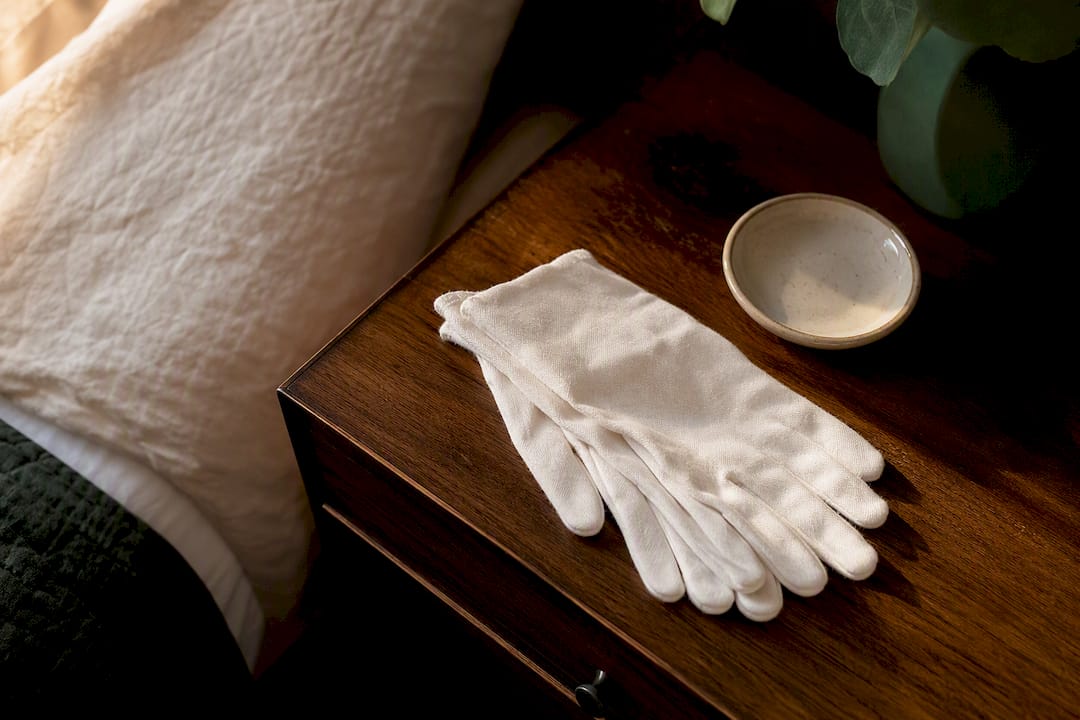
- Do an intensive nightly treatment: apply a thicker layer of balm before bed, then cover with clean cotton gloves overnight. This occlusion strategy, sometimes called “slugging” when done with straight occlusives, dramatically boosts absorption because skin stays hydrated for hours instead of minutes. One publisher analysis of moisture-sealing routines found that pairing an occlusive balm with overnight gloves noticeably speeds barrier repair compared to daytime application alone.
- Wait at least 15 minutes after applying balm before using alcohol-based hand sanitizer, since sanitizer will strip the barrier you just built.
If you work with your hands all day, keep a small tin at your desk or in your bag for quick reapplication between tasks rather than waiting until you get home.
Pro Tip: Keep cotton gloves in your nightstand, not your bathroom. If the balm and gloves aren’t within arm’s reach of your bed, the overnight step is the first thing to get skipped.
Stop and see a clinician if you notice spreading redness, warmth, pus, fever, or cracks that go deep enough to bleed regularly. Those signs point to infection or a dermatologic condition that a balm alone won’t resolve.
Do natural balms work for eczema-prone hands?
Natural balms genuinely help eczema-prone skin, but they play a different role than prescription treatment. A balm supports the skin barrier and relieves surface-level dryness and itch. It does not reduce the underlying inflammation the way a prescription topical steroid or calcineurin inhibitor does during an active flare. For mild to moderate dryness and maintenance between flares, a well-formulated natural balm can be enough on its own. A comparison of natural balms and steroid creams breaks down where each approach fits, which is worth reading if you’re managing a diagnosed eczema condition rather than general dryness.
Watch for these signs that call for a clinician rather than another balm application:
- Warmth, swelling, or pus around a crack, which suggests infection
- Fever alongside worsening hand skin
- Cracks that don’t improve after two weeks of consistent balm use
- Bleeding fissures that reopen daily despite treatment
Before using any new balm on eczema-prone skin, patch test on a small area of your inner forearm for 24 to 48 hours. Common natural allergens include beeswax, honey, propolis, and lanolin, ingredients that show up specifically because they’re marketed as gentle alternatives to synthetic chemicals. Roughly one in every handful of “natural” reactions traces back to one of these, which is exactly why patch testing matters even for products labeled hypoallergenic.
Parents applying balm to a child’s hands, or caregivers treating elderly skin, should use fragrance-free formulas exclusively and apply a smaller amount than they would for their own hands, since thinner, more sensitive skin absorbs and reacts faster.
Why whipped beef tallow works for cracked, damaged skin
Beef tallow’s fatty acid composition sits closer to human skin lipids than most plant-based oils do, which is part of why it can absorb without leaving the heavy, greasy film people expect from an animal-fat product. That lipid similarity is what lets it function as both an occlusive seal and a source of the fatty acids your skin barrier needs to rebuild itself.
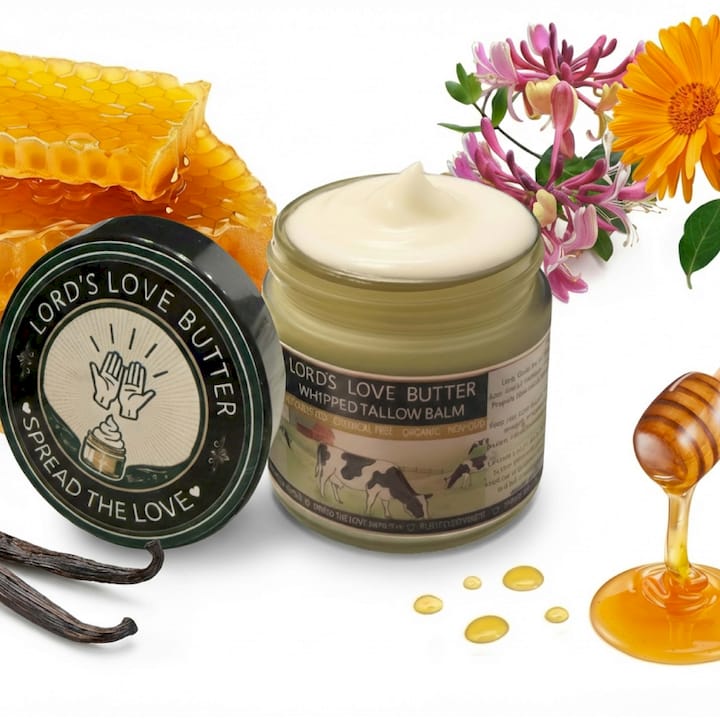
Lordslovebutter sources grass-fed tallow and whips it into a chemical-free base, avoiding the synthetic emulsifiers and fillers found in many drugstore hand creams. The brand is veteran-owned, and its product pages document customer reports of improved skin texture within days of starting a consistent routine.
Here’s how the format guidance breaks down for different needs:
- Nightly intensive repair: the tin or jar formats hold enough product for a generous overnight application under gloves
- Everyday carry and quick reapplication: the Lite version absorbs faster and leaves less residue, better suited for hands you need to use right after applying
- Sensitive or eczema-prone skin: fragrance-free formulations reduce reaction risk, though patch testing still applies since manuka honey is a bee-derived ingredient
Common mistakes people make treating cracked hands with balm
The biggest mistake is inconsistency. Applying balm once when your hands hurt, then forgetting for three days once they feel better, keeps you stuck in a cycle of flare and relief instead of actual healing. Skin barrier repair takes sustained effort, not spot treatment.
The second mistake is layering too many products at once. Combining a fragranced hand cream, an essential oil blend, and a balm might feel thorough, but it multiplies your exposure to potential irritants and makes it nearly impossible to identify what’s actually helping or hurting.
Using hot water for washing undoes a lot of the good a balm does. So does skipping the immediate reapplication window after washing, since balm works best sealing in moisture that’s already on the skin, not fighting to add moisture back from a fully dry, tight surface.
People also tend to under-apply. A thin smear rubbed in like lotion isn’t enough for genuinely cracked skin. Intensive repair calls for a visibly thicker layer, especially at night.
Finally, many people stop using a product the moment surface symptoms fade, before the barrier has actually finished rebuilding underneath. Give a routine at least two to three weeks of consistent use before judging whether it’s working.
How long does it take to heal cracked hands naturally?
Most people notice softer skin and less tightness within three to five days of consistent balm use, twice daily plus a nightly intensive application. That’s the itch relief and surface comfort phase, largely thanks to occlusive and humectant ingredients doing their job quickly.
Actual barrier repair, meaning the skin genuinely rebuilding its lipid layer and closing fine cracks, takes longer: typically two to four weeks of uninterrupted routine. Deeper fissures that have been present for months, especially on knuckles or fingertips where skin flexes constantly, can take six weeks or more to fully close.
Consistency matters more than potency here. A moderate balm used religiously twice a day outperforms a stronger product applied sporadically. If you see zero improvement after two full weeks of daily use, that’s the point to reconsider your ingredients or check in with a clinician rather than waiting it out longer.
How weather and daily habits make cracked hands worse
Cold, dry air pulls moisture out of skin faster than skin can replace it, which is why cracked hands spike every winter regardless of how carefully someone washes their hands. Indoor heating compounds the problem by dropping indoor humidity even further than outdoor winter air already has.
Frequent hand washing, now a daily habit for most people, strips natural oils every time, even when the soap itself is gentle. Hand sanitizer makes this worse because of its alcohol content, which evaporates fast and takes surface moisture with it.
Occupational exposure matters too. Anyone who washes dishes, works outdoors, handles chemicals, or wears gloves for extended stretches deals with repeated barrier stress that a once-a-day moisturizer can’t keep up with. This is exactly why timing matters as much as product choice: applying a balm immediately after each exposure, rather than once in the morning and calling it done, is what actually breaks the cycle. A skin barrier explainer from LaTerraTales covers the mechanics of why repeated environmental stress outpaces the skin’s natural repair rate without consistent outside support.
Which Lord’s Love Butter balm fits your cracked hands
If your hands are genuinely cracked and you need intensive overnight repair, the Whipped Beef Tallow Balm with Manuka Honey tin is built for exactly that. It’s thick enough to hold up under cotton gloves through a full night without needing reapplication.
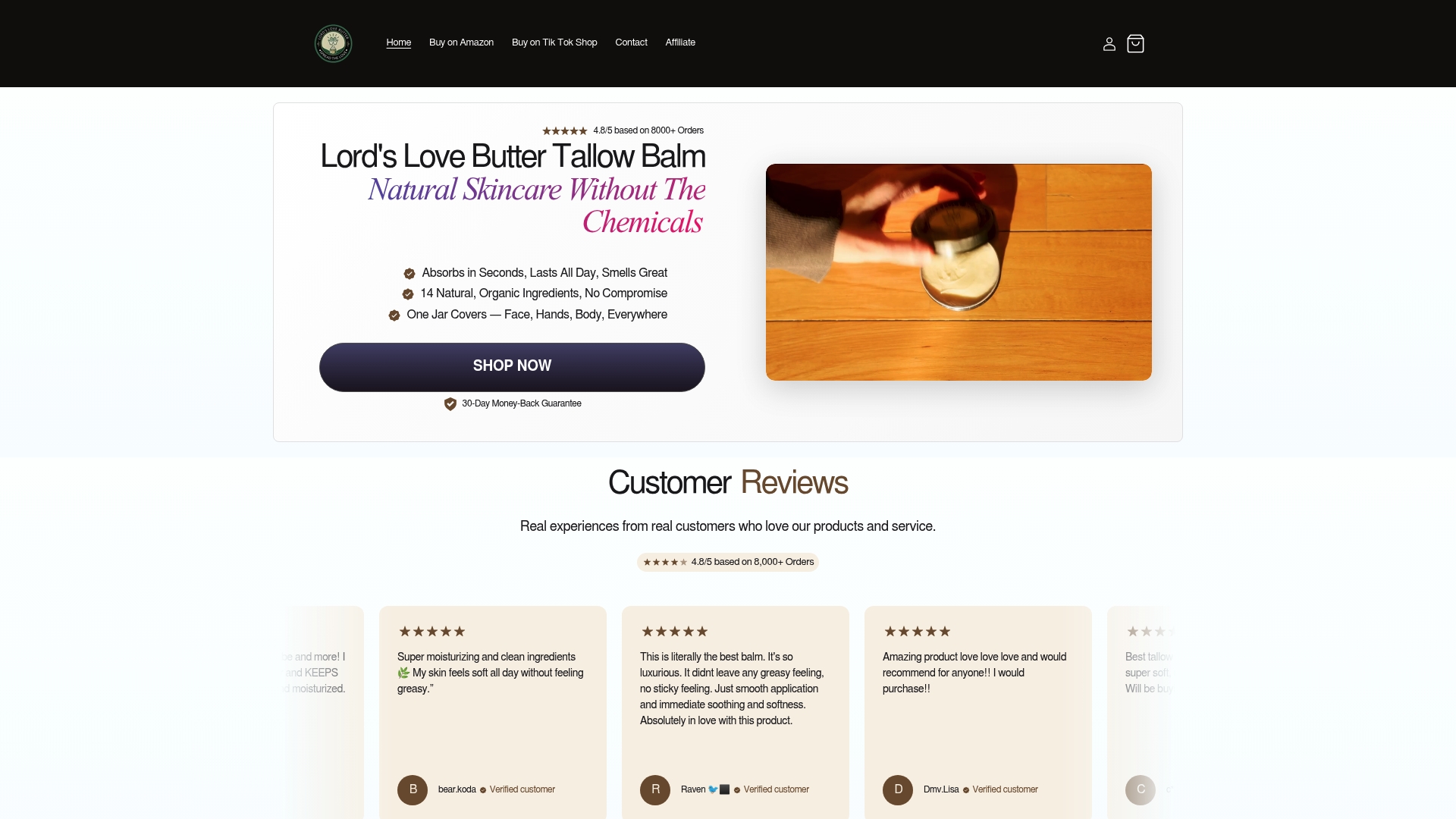
For daily maintenance between flare-ups, or if you want something that absorbs faster during the workday, the Original Beef Tallow Balm Lite leaves less residue while still delivering the same chemical-free tallow base. If you’d rather scoop from a jar at your bathroom sink than dig into a tin, the 2.4 oz Jar version offers identical formulation in different packaging, purely a matter of preference.
Not sure which format you’ll reach for more? The Tin & Jar Bundle lets you keep one at your desk and one at home, so you’re never caught without balm during the exact moments your hands need it most, right after washing dishes or stepping in from the cold. If eczema-prone skin runs in your household, the Tallow Lite Double with 2x Manuka Honey and Propolis doubles down on the antimicrobial ingredients that matter most for fissured, vulnerable skin.
Every option ships in water-free formulation, which means no synthetic preservatives padding out the ingredient list. Check the current product page for sizing and any active promotions before you order.
An honest note on what actually works
Whipped tallow surprised me the first time I saw how fast it changed the texture of genuinely cracked knuckle skin, the kind that splits at the first knuckle line and stings every time you make a fist. It wasn’t instant. It took about ten days of nightly application under gloves before the cracks stopped reopening daily. That timeline tracks with what the evidence on barrier repair suggests, and it’s a useful thing to know going in so you don’t give up on day three.
My practical take: reach for a natural balm first for ordinary dryness and cracking, but treat spreading redness, pus, or fever as your signal to see a clinician instead of reaching for a thicker layer of balm. And always patch test a new formula, even one built from ingredients as simple as tallow and honey, before you commit to a full routine.
— Michael
Sources
This guide draws on FDA-recognized ingredient standards and firsthand product documentation rather than general skincare folklore.
- DailyMed - AVEENO ECZEMA THERAPY ITCH RELIEF BALM- oatmeal cream
- AVEENO® Eczema Therapy Itch Relief Balm | National Eczema Association
This article is general information, not a substitute for advice from a qualified doctor. Consult a qualified healthcare professional about your own circumstances before acting on anything here.

