
Hard water can absolutely make dry, irritated, or eczema-prone skin worse, but it’s rarely the whole story, and it’s almost never where you should spend money first. Start by changing how you shower and moisturize this week: shorter, cooler showers, a gentle cleanser, and moisturizer applied while skin is still damp. Whole-house softeners might help down the line, but the trial evidence on them is genuinely mixed, so save that decision for after you’ve tried the cheaper fixes.
TL;DR:
- Short, cool showers, gentle cleansers, and moisturizing immediately after drying can significantly reduce hard water’s impact on skin, without the need for costly equipment.
- Mineral residue from hard water raises skin pH, disrupts the skin’s lipid barrier, and increases water loss, especially in already compromised skin affected by eczema or dryness.
- Symptoms like tightness post-shower, persistent film, or improvement when away from home suggest hard water may be contributing, but severe issues require dermatologist consultation.
- Installing a shower filter or trying point-of-use fixes is recommended before investing in a whole-house softener, as evidence indicates softeners do not reliably improve eczema severity.
- Consistent adjustments in shower habits, moisturizer timing, and sealing skin with a water-free occlusive balm generally yield faster relief than plumbing changes or expensive treatments.
Table of Contents
- How Hard Water Affects Your Skin: Simple Mechanisms That Matter
- Signs That Hard Water May Be Contributing to Your Dry or Irritated Skin
- The Dermatologist-Backed Routine to Repair Your Skin Barrier First
- Practical Shower Fixes to Cut Down Mineral Residue
- Should You Install a Water Softener? What the Evidence Actually Shows
- Testing Changes and Measuring What Actually Helps
- Try a Chemical-Free Occlusive Layer as Part of Your Barrier-First Plan
- Sources
- FAQ
How Hard Water Affects Your Skin: Simple Mechanisms That Matter
Hard water carries dissolved calcium and magnesium, and those minerals react with soap to form a chalky residue instead of rinsing clean, a problem explained in detail by the residue-free cleaning method that helps reduce soap scum and residue in your home. That film sits on your skin after you dry off, and it’s not just a cosmetic annoyance.
Here’s what it actually does to your skin barrier:
- Mineral residue and leftover surfactant (often sodium lauryl sulfate, or SLS) can raise your skin’s surface pH above its normal slightly acidic range, according to a systematic review on water hardness and skin barrier function.
- A higher pH disrupts the lipids that hold your outer skin layer together, which increases transepidermal water loss, meaning your skin loses moisture faster than it can replace it.
- If your barrier is already compromised, from eczema, psoriasis, or just chronic dryness, that extra stress tends to show up as more itching, flaking, and tightness.
None of this proves hard water single-handedly causes eczema. What researchers have found is an association: a large meta-analysis of 16 studies found children in harder-water homes had somewhat higher odds of atopic eczema, but that’s a correlation across populations, not a guarantee for any one household.
Signs That Hard Water May Be Contributing to Your Dry or Irritated Skin
A few patterns tend to show up when hard water is genuinely part of the problem:
- Tightness right after showering. Your skin feels stretched or stiff within minutes of stepping out, even before it fully dries.
- A filmy or waxy feeling. That’s the soap and mineral residue readers often describe as “soap scum on skin,” and it doesn’t fully rinse away no matter how long you stay under the water.
- Increased itch or flaking after washing, not before. If symptoms spike right after a shower rather than gradually through the day, water is a reasonable suspect.
- Dull, straw-like hair alongside the skin symptoms. Hard water affects hair the same way it affects skin, so both showing up together is a useful clue.
- Improvement when you’re away from home. Noticeably better skin on vacation or at a friend’s house with different water is one of the more reliable self-tests.
If you notice cracking, bleeding, oozing, or spreading inflammation, that’s beyond a water problem. See a dermatologist rather than waiting on skincare adjustments.
The Dermatologist-Backed Routine to Repair Your Skin Barrier First
Before you spend a dollar on plumbing, fix the three things that reliably move the needle: shower habits, cleanser choice, and moisturizer timing. The American Academy of Dermatology built its dry-skin guidance around exactly these levers, and they cost nothing to try.
- Cap showers at 5 to 10 minutes, and use warm water instead of hot. Hot water feels good but strips the same oils you’re trying to protect.
- Use a gentle, fragrance-free cleanser, and only where you actually need soap, not head to toe every time. Skip the washcloth scrubbing.
- Moisturize within a couple of minutes of drying off, while skin is still slightly damp. This traps residual water at the surface instead of letting it evaporate.
- Choose a cream or ointment over a thin lotion if your skin is very dry. Ointments are the most occlusive option and hold up best against hard water’s drying effect, per the AAD’s moisturizer guidance.
- Reapply after every handwash, and consider a heavier occlusive layer overnight on cracked spots.
- Keep any prescribed eczema treatment going. Don’t stop a steroid cream or prescription regimen just because you suspect the water. Talk to your dermatologist before changing course during a flare.
Pro Tip: Set a timer for two minutes after you step out of the shower. If your moisturizer isn’t on within that window, you’ve already lost some of the water your skin absorbed while bathing.
A step-by-step walkthrough of moisturizing eczema-prone skin after a shower covers product layering in more detail if you want a fuller routine.
Practical Shower Fixes to Cut Down Mineral Residue
Once your routine is dialed in, a few small habit changes can further reduce what hard water leaves behind:
- End with a cool or lukewarm rinse and keep lathering light. Less soap means less mineral residue forming in the first place.
- Try micellar water on residue-prone areas. It lifts film without needing a rinse, which is useful for hands and face after a hard-water wash.
- Use a chelating rinse or clarifying shampoo occasionally, not daily, to strip mineral buildup from hair and scalp, then rinse thoroughly since these can be drying themselves.
- Install a point-of-use shower filter or inline mineral filter. These target water at the fixture, and practical skincare guidance suggests they offer modest, localized improvement rather than a dramatic fix.
- Run a humidifier in dry seasons, switch to fragrance-free laundry detergent, and cover cracked skin with an occlusive dressing overnight to speed healing.
None of these require a plumber, and most cost under $50 to test.
Should You Install a Water Softener? What the Evidence Actually Shows
The honest answer is: it depends, and the research doesn’t give you a clear yes.
A large meta-analysis found children in harder-water homes had 28% higher odds of atopic eczema (pooled odds ratio 1.28) compared with those in softer-water areas. A separate UK Biobank cohort study found a similar pattern in adults, with higher eczema prevalence linked to increased water hardness. That’s a real population-level signal.
But when researchers actually tested softeners as treatment, the results were disappointing. The SWET trial, a randomized controlled study of 336 children with moderate to severe eczema, found ion-exchange softeners added to usual care did not produce a clinically meaningful improvement in objective eczema severity after 12 weeks. Association at the population level doesn’t translate into a reliable individual fix.
Before buying a system, work through this checklist:
- Measure your actual water hardness (most utilities publish it, or a $15 test strip will tell you).
- Try the routine and point-of-use fixes above for 4 to 8 weeks and track symptoms.
- Weigh the ongoing cost and maintenance, especially if you rent rather than own.
- Trial a shower filter before committing to whole-house equipment.
A softener may still be worth considering if you see a clear, repeatable improvement when using softened water elsewhere, if multiple people in the household are affected, or if severe symptoms persist after you’ve genuinely optimized skin care.
Testing Changes and Measuring What Actually Helps
Michael’s take: most people find relief faster by fixing moisturizer timing and cleanser choice than by buying anything. Change one variable at a time, whether that’s shower length, cleanser, or a filter, and track it for two to four weeks before judging results. If skin worsens, cracks, or bleeds, stop guessing and get it checked by a dermatologist.
— Michael
Try a Chemical-Free Occlusive Layer as Part of Your Barrier-First Plan
Once your shower habits and moisturizer timing are locked in, the next lever is what you actually seal that moisture in with. Lord’s Love Butter makes a whipped beef tallow balm with Manuka honey, a water-free, occlusive balm built to lock in hydration after bathing without synthetic fillers or added water that can dilute the barrier-repair effect.
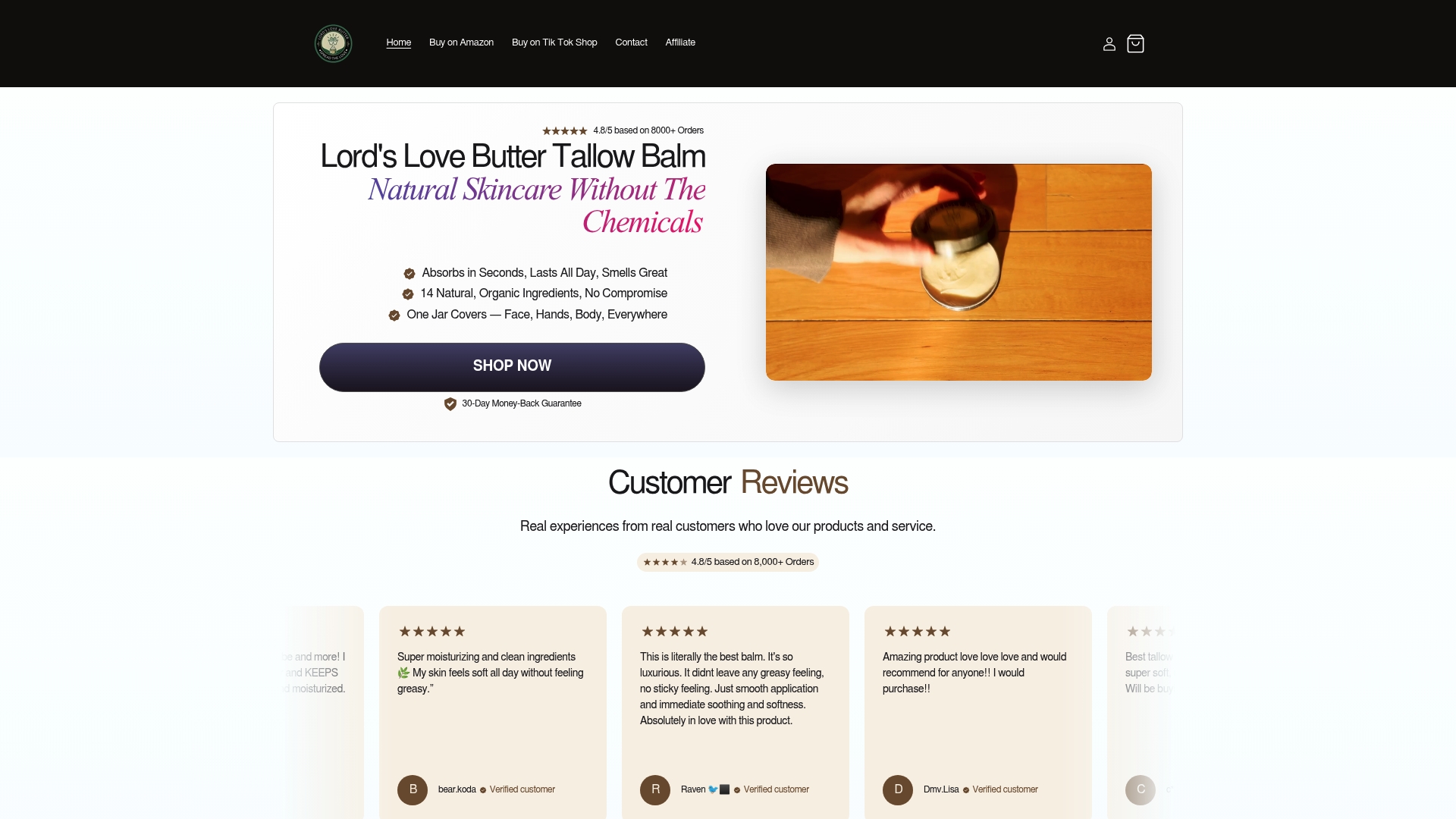
To trial it, patch-test a small amount on your forearm first, then apply a thin layer to damp skin right after your shower, the same two-minute window your dermatologist would recommend for any moisturizer. It’s designed for whole-body use, including sensitive areas affected by eczema or psoriasis, but it’s meant to sit alongside prescribed treatment, not replace it. If you’re managing a moderate or severe flare, keep your dermatologist’s plan in place and check with them before adding anything new.
For a trial-size option, the 2.4 oz travel tin is an easy way to test it on one or two problem areas before committing to a full jar. If you want the standard size for regular use, the 2.4 oz jar covers whole-body application, and the lightweight Balm Lite works well for daytime use under clothing. Lips take a beating from hard water too, so the mint tallow lip balm is worth adding to the same routine, and if you’re outdoors often, the tallow sun balm with zinc oxide pairs sun protection with the same occlusive base. Bundled options like the Power Pair jar and lite combo or the Outdoorsman Kit cover face, lips, and body in one order if you’d rather test the whole lineup at once.

This article is general information, not a substitute for advice from a qualified doctor. Consult a qualified healthcare professional about your own circumstances before acting on anything here.
Sources
- Systematic review and meta-analysis (hard water and eczema)
- UK Biobank study: domestic hard water and eczema prevalence
- American Academy of Dermatology — Dermatologists’ tips for relieving dry skin
FAQ
How Do You Fix Dry Skin Caused by Hard Water?
Start with shorter, cooler showers, a gentle fragrance-free cleanser, and a cream or ointment applied within minutes of drying off. Add point-of-use fixes like a shower filter or occasional clarifying rinse only after you’ve given the basic routine a few weeks to work.
Does Hard Water Actually Contribute to Skin Dryness?
Yes, mineral residue from hard water can raise skin pH and disrupt the lipid barrier, increasing water loss through the skin, according to research on water hardness and skin barrier function. It’s a contributing factor for many people, though it’s rarely the only cause of chronic dryness.
How Do You Know If Hard Water Is Affecting Your Skin?
Look for tightness right after showering, a filmy residue that won’t rinse off, or symptoms that improve noticeably when you’re away from home. Persistent cracking, bleeding, or spreading irritation points to something beyond water and warrants a dermatologist visit.
How Do You Reverse Skin Damage From Hard Water?
Consistency matters more than any single product: keep showers short, moisturize while skin is damp, and give your barrier several weeks to rebuild before adding equipment like a softener. A water-free occlusive balm, such as Lord’s Love Butter’s tallow balm, can help seal in moisture as part of that routine, but severe or worsening damage needs professional evaluation first.
Do Water Softeners Cure Hard Water Eczema?
No. The SWET randomized trial found no clinically important improvement in objective eczema severity when children used ion-exchange softeners alongside usual care. Softeners may still be worth trying for household comfort, but they shouldn’t replace an established skincare or medical routine.