

How to Moisturize Eczema-Prone Skin After a Shower
Why moisturizing right after your shower is the single most important step
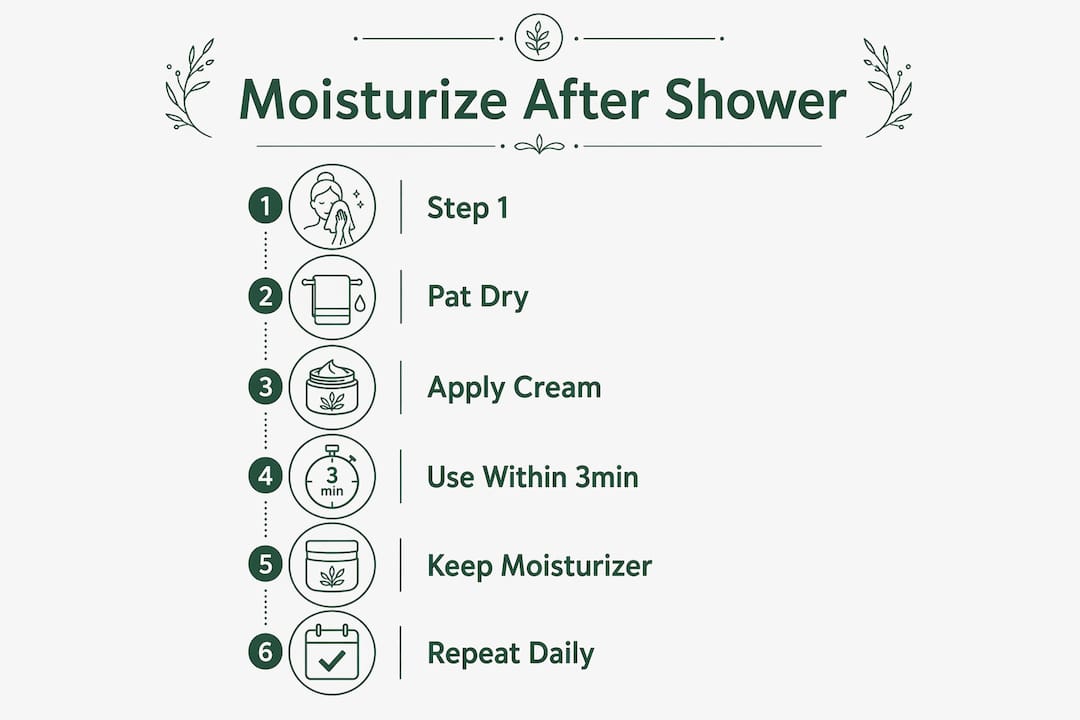
Applying moisturizer within three minutes of stepping out of the shower is the most effective thing you can do to manage eczema. That window matters because your skin is still slightly damp, and a good cream or balm traps that surface moisture before it evaporates. Miss it, and you are essentially letting your skin dry out on its own, which is exactly what triggers the itch-scratch cycle that worsens flare-ups.
The National Eczema Association is clear on this: moisturizing consistently after bathing is the foundation of eczema management, not an optional add-on. Dermatologists back this up. Dr. Anderson at Cleveland Clinic advises moisturizing within three minutes of getting out of the shower, specifically to lock in moisture before the water evaporates from skin. The goal is barrier repair, and timing is the lever.
Here is what the post-shower routine should look like:
- Pat skin dry gently with a soft towel, leaving it slightly damp, not bone dry
- Apply moisturizer immediately, starting with the most affected areas
- Use a cream or ointment rather than a thin lotion
- Cover the full body, not just visible patches
- Let the product absorb before dressing
Pro Tip: Keep your moisturizer on the bathroom counter, not in a cabinet. The closer it is to the shower, the more likely you are to use it within that critical three-minute window.
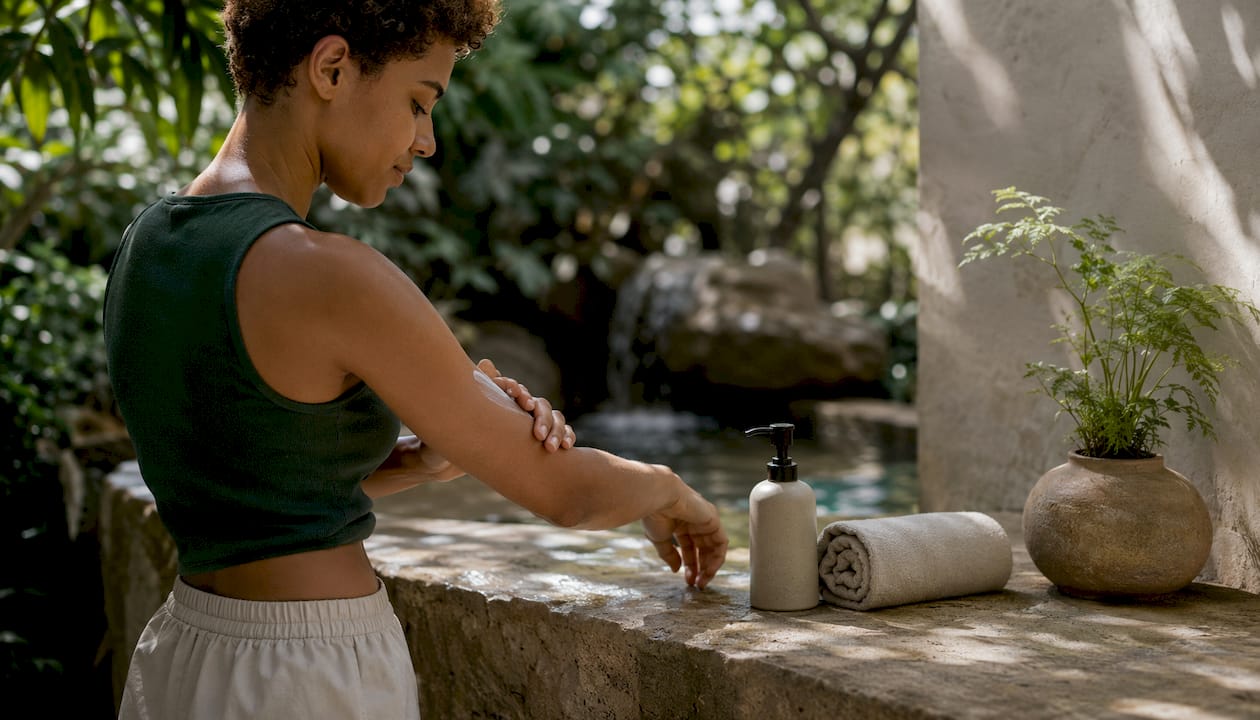
Shower habits that make or break your skin’s condition
What you do inside the shower shapes how well your skin responds to moisturizer afterward. Hot water feels good but strips the skin’s natural oils, leaving the barrier compromised before you even reach for a cream. The National Eczema Association recommends keeping water temperature in the lukewarm range and limiting shower time to a short duration.
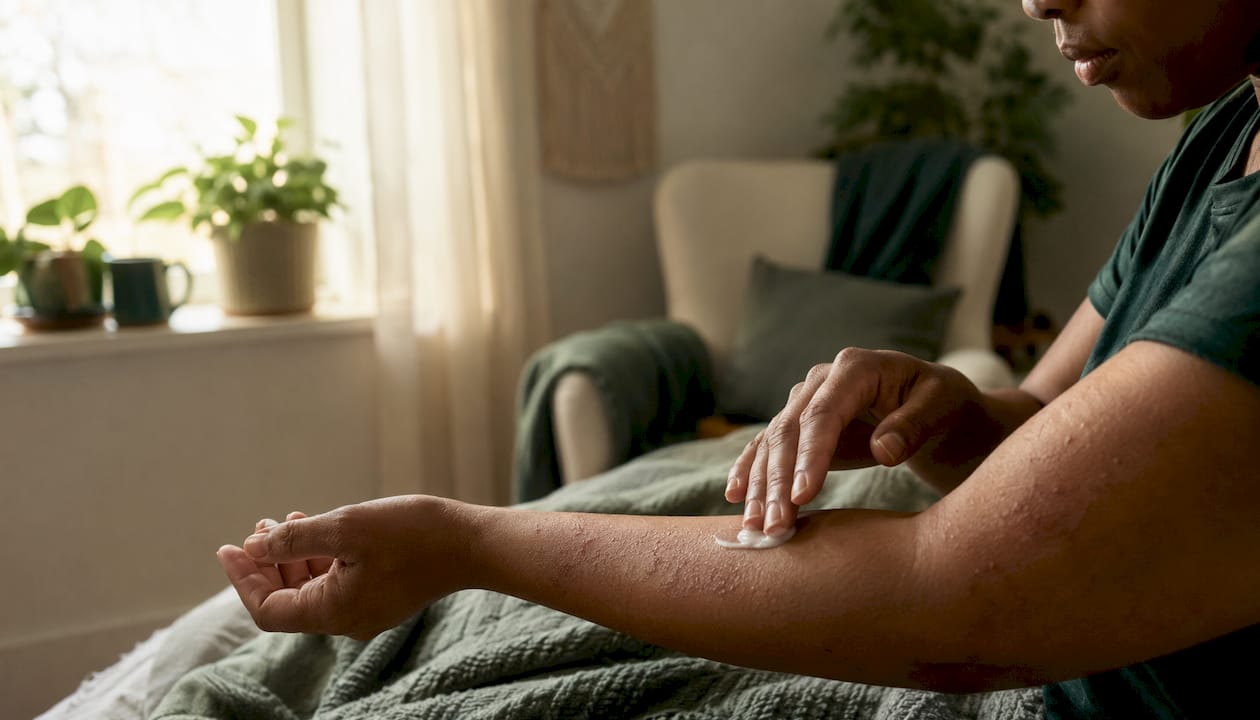
Prolonged heat exposure causes more water to evaporate from eczema-prone skin during and after the shower, compounding dryness. Short, lukewarm showers reduce that damage significantly. Soap choice matters just as much. Fragrances and dyes are common irritants, so look for fragrance-free, dye-free, hypoallergenic cleansers. A dermatologist at Jefferson Health puts it plainly: “Look for moisturizing soaps that are hypoallergenic or specifically formulated for sensitive skin.”
Drying off the wrong way can undo careful showering. Rubbing with a towel creates friction that irritates already-fragile skin and worsens itchiness. Pat instead of rub, and stop while the skin still feels slightly moist.
Here is a practical shower checklist for eczema-prone skin:
- Set water to lukewarm (95°F–99°F), not hot
- Keep the shower to 5–10 minutes
- Use a fragrance-free, dye-free cleanser on body areas that need it
- Avoid scrubbing with loofahs or rough washcloths
- Pat skin dry gently with a soft cotton towel
- Leave skin slightly damp before applying moisturizer
Pro Tip: Treat moisturizing as the final step of your shower, not a separate chore. Dermatologists at NYT Wirecutter note that reframing moisturizing as part of the shower routine improves both consistency and coverage.
Which moisturizer ingredients actually help eczema-prone skin
Not all moisturizers are built the same, and for eczema, the difference between a cream and a lotion can mean the difference between relief and a flare-up. Lotions have high water content, which requires more preservatives to stay shelf-stable. Those preservatives can burn on compromised eczema skin. Creams and ointments, with their higher oil content and fewer additives, create a stronger moisture barrier and cause less irritation.
The National Eczema Association confirms that ointments and creams outperform lotions for this reason. Thick formulations physically seal moisture in rather than just adding water to the skin surface.
Look for these ingredients when choosing a post-shower moisturizer:
- Ceramides: Lipids naturally found in skin that restore barrier function, often depleted in people with eczema
- Petrolatum: One of the most effective occlusive agents available, forming a protective layer over skin
- Colloidal oatmeal: Soothes inflammation and reduces itch
- Shea butter and plant-based oils: Provide emollient softening without synthetic additives
- Glycerin: A humectant that draws moisture into the skin from the environment
Avoid products containing alcohol, artificial fragrances, dyes, or harsh preservatives. These are the most common triggers for eczema flare-ups and skin sensitivity reactions.
Several well-known products carry National Eczema Association recognition and are frequently recommended by dermatologists. CeraVe Daily Moisturizing Lotion is widely used for daily maintenance, with ceramides as its core active ingredient. Vanicream Moisturizing Cream is a go-to for people with multiple sensitivities, as it avoids dyes, fragrances, and formaldehyde releasers. Aveeno Eczema Therapy Nighttime Itch Relief Balm combines colloidal oatmeal with a thick balm base suited for overnight use. La Roche-Posay Cicaplast Balm B5 uses panthenol and shea butter to support skin repair, particularly after flare-ups. The American Medical Association notes that thick creams and balms applied after showering reduce dryness and flare-ups more effectively than standard lotions.
A natural option worth knowing: Lordslovebutter whipped beef tallow balm
For people who want to avoid synthetic ingredients entirely, grass-fed beef tallow balms have become a serious option in 2026. Lordslovebutter’s whipped beef tallow balm is built around a single-ingredient base that is chemically similar to the lipids in human skin, which is why it absorbs quickly without leaving a greasy residue.
Tallow is rich in fat-soluble vitamins and fatty acids that support the skin barrier, making it particularly well-suited for eczema-prone and sensitive skin. Lordslovebutter’s formulation is free from synthetic chemicals, fragrances, and preservatives, addressing the exact irritant profile that dermatologists flag as problematic for eczema. The brand, which is veteran-owned, prioritizes grass-fed sourcing and keeps the ingredient list short by design.
“Natural balms like grass-fed tallow provide lasting moisture with ingredients proven to soothe eczema and psoriasis-prone skin. Customer cases show improved hydration and texture, often within days of consistent use.”
Natural ingredient-based balms are gaining real traction in eczema care because they sidestep the preservative and fragrance issues that make conventional moisturizers problematic. Lordslovebutter’s balm is designed for whole-body use, which means one product covers everything from face to feet after a shower, with no need to layer multiple formulas. You can read more about how natural balms seal moisture for dry and sensitive skin on the brand’s blog.
How to build a post-shower moisturizing routine that actually sticks
Consistency beats perfection here. A routine you do every day with a decent product will outperform an elaborate one you skip half the time. The structure below works for most people with eczema and can be adapted based on whether you also use prescription treatments.
Follow these steps after every shower:
- Step out and pat dry. Use a soft cotton towel. Leave skin visibly damp.
- Apply any prescription topicals first (if prescribed). Thin prescription creams go directly on affected areas before moisturizer, so the active ingredient contacts skin without a barrier in the way.
- Layer from lightest to thickest. If you use a serum or facial oil, apply it before your cream or balm. Applying products lightest to thickest optimizes absorption and prevents heavier formulas from blocking lighter ones.
- Apply your main moisturizer within three minutes. Spread generously over the full body. Do not rub, press the product in with your palms.
- Pay extra attention to high-flare areas. Elbows, knees, wrists, and the backs of knees typically need more product and more frequent reapplication.
- Moisturize at least twice daily. Once after your shower and once before bed. Nighttime application on damp skin, or under a light layer of clothing, can improve overnight absorption.
- Stay consistent for at least two weeks before evaluating whether a product is working. Skin barrier repair takes time, and switching products too quickly prevents you from seeing real results.
If you use wet wrap therapy during a flare-up, apply moisturizer first, then cover with a damp cloth layer and a dry layer on top. This technique, noted by Harvard Health, can reduce itching and support healing during more severe episodes.
For people exploring a chemical-free moisturizing routine, consolidating to one clean-ingredient balm after showering can simplify the process without sacrificing effectiveness.
Lordslovebutter: a clean, simple option for eczema-prone skin
If you have been managing eczema with a stack of products and still dealing with flare-ups, the problem may be what is in those products rather than how you are applying them.
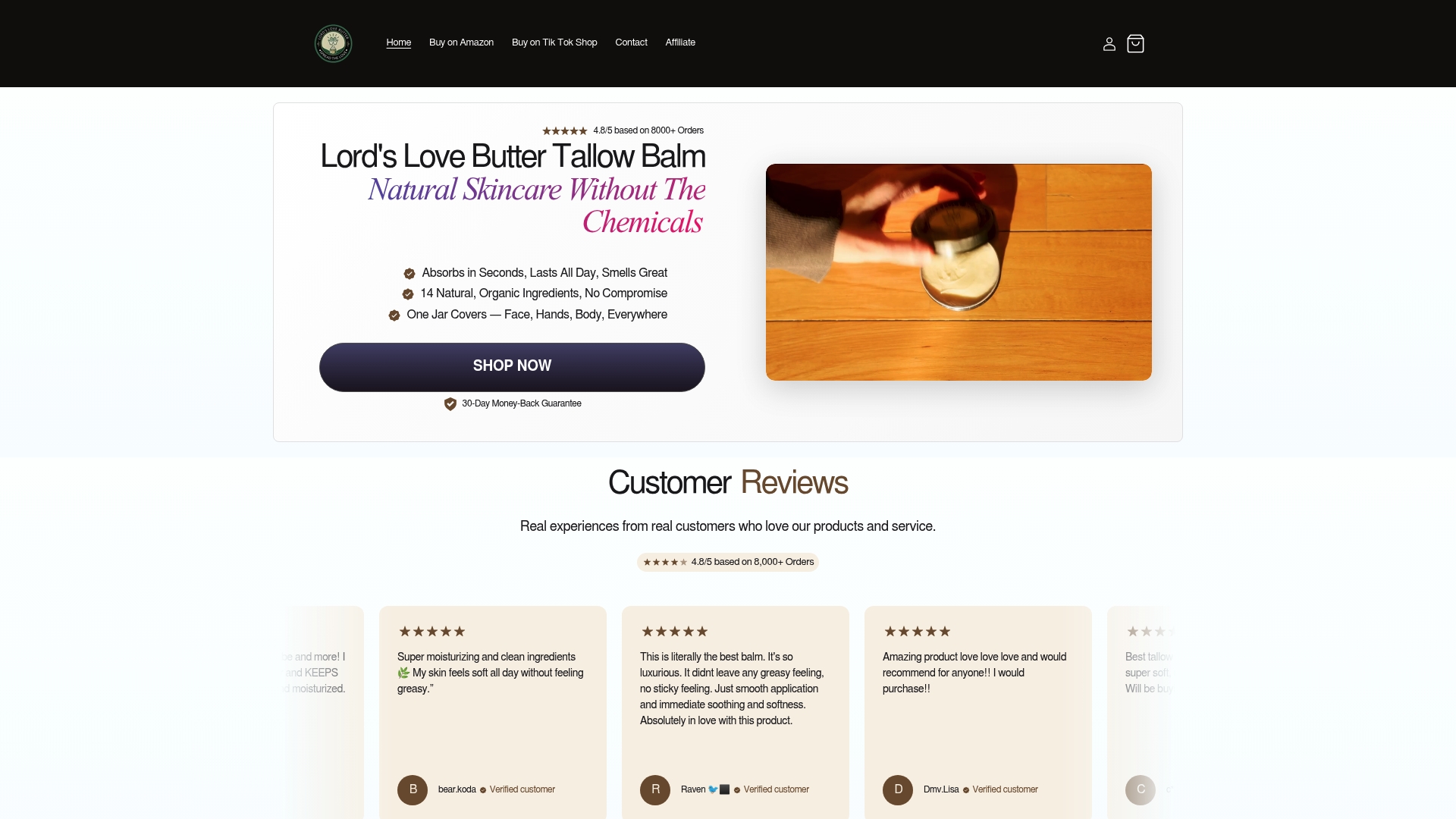
Lordslovebutter’s whipped beef tallow balm gives you a single, clean formula with no synthetic preservatives, no fragrances, and no dyes. It absorbs fast, works across the whole body, and is built specifically for people whose skin reacts to conventional moisturizers. The grass-fed tallow base mirrors the skin’s own lipid structure, which is why people with eczema and psoriasis report real improvement in texture and hydration within days of consistent use. It is a veteran-owned brand that keeps the ingredient list honest and the formulation simple.
Try the Vitamin C Whipped Beef Tallow Balm for a nutrient-rich option, or start with the Original Beef Tallow Balm Lite if you want the gentlest possible entry point. Apply it within three minutes of your shower, and give it two weeks.
Key Takeaways
Moisturizing eczema-prone skin within three minutes of showering, using a cream or ointment with ceramides or petrolatum, is the most effective way to reduce dryness and prevent flare-ups.
| Point | Details |
|---|---|
| Timing is everything | Apply moisturizer within three minutes of showering to trap moisture in damp skin. |
| Water temperature matters | Keep showers lukewarm (95°F–99°F) and short (5–10 minutes) to protect the skin barrier. |
| Creams beat lotions | Ointments and creams have higher oil content and fewer preservatives, reducing irritation risk for eczema-prone skin. |
| Key ingredients to seek | Ceramides and petrolatum are the most effective barrier-restoring ingredients in eczema moisturizers. |
| Lordslovebutter as a clean alternative | The whipped beef tallow balm is fragrance-free, preservative-free, and designed for whole-body use on sensitive, eczema-prone skin. |

