

Occlusive vs Emollient: Why Grass Fed Tallow Does Both
Occlusives form a seal on top of skin to stop water from evaporating out; emollients fill in the rough gaps between skin cells to make the surface feel soft immediately. Neither one hydrates skin on its own. Most routines that actually work pair a humectant for water, an emollient for softness, and an occlusive to lock the whole thing in.
TL;DR:
- Occlusives can block water loss by up to 99 percent, but they work slowly and are best for overnight or very dry patch treatment.
- Emollients provide immediate softness and smoothing but do not significantly improve long-term water retention without an occlusive barrier.
- Layering humectants, emollients, and occlusives in the correct order—humectants first, then emollients, then occlusives—maximizes hydration benefits.
- Natural fats like tallow and lanolin act as both occlusive and emollient, offering gentle barrier support and skin-softening effects.
- Heavy occlusives can trigger breakouts on oily or acne-prone skin, making patch testing and ingredient awareness essential.
Table of Contents
- Occlusive vs Emollient: The Core Definitions
- How Do Occlusives and Emollients Affect the Skin Barrier?
- Which Ingredients Count as Occlusive or Emollient?
- How Should You Layer Occlusives and Emollients?
- Can Occlusives or Emollients Cause Breakouts?
- Why Grass-Fed Tallow Balm Covers Both Roles
- What Most Skincare Advice Gets Wrong Here
- Get the Emollient-Occlusive Balance Without Guesswork
- Sources
Occlusive vs Emollient: The Core Definitions
The three ingredient categories get lumped together as “moisturizer,” but they do different jobs.
An occlusive is a substance that sits on the skin’s surface and physically blocks water from escaping. Think of it as plastic wrap for your skin. Petrolatum, beeswax, and silicones fall here.
An emollient softens and smooths skin by filling in the microscopic cracks between dry, flaking skin cells. It doesn’t necessarily block water loss the way an occlusive does. Shea butter and squalane are classic emollients.
A humectant pulls water into the skin from the air and deeper layers. Glycerin and hyaluronic acid do this job. Humectants without an occlusive on top can sometimes backfire in dry air, pulling moisture up and then letting it evaporate right off the surface.
Here’s how they stack up in practice:
- Occlusive: Feels heaviest, works slowest to show visible change, best for overnight or spot-treating very dry patches.
- Emollient: Feels soft almost immediately, moderate weight, good for daily use on most skin types.
- Humectant: Feels light and often watery, fast absorption, needs to be sealed in to actually help.
CeraVe’s breakdown of the three categories confirms what dermatologists have said for years: a genuinely effective moisturizer usually blends all three rather than relying on just one.
How Do Occlusives and Emollients Affect the Skin Barrier?
Your skin loses water constantly through a process called transepidermal water loss, or TEWL. The outermost layer, the stratum corneum, is basically a brick wall made of dead skin cells (the bricks) held together by lipids (the mortar). When that mortar breaks down from age, weather, or harsh cleansers, water escapes faster than it should and skin turns dry, flaky, or tight.
Occlusives work by covering that wall with a water-resistant film. Petrolatum, one of the most studied occlusives, can cut water loss by nearly 99 percent when applied in sufficient amount. That’s dramatic, but it’s also why occlusives feel slow: they don’t add water, they just stop what’s already there from leaving. Visible plumping can take longer because the deeper layers have to rehydrate on their own timeline.
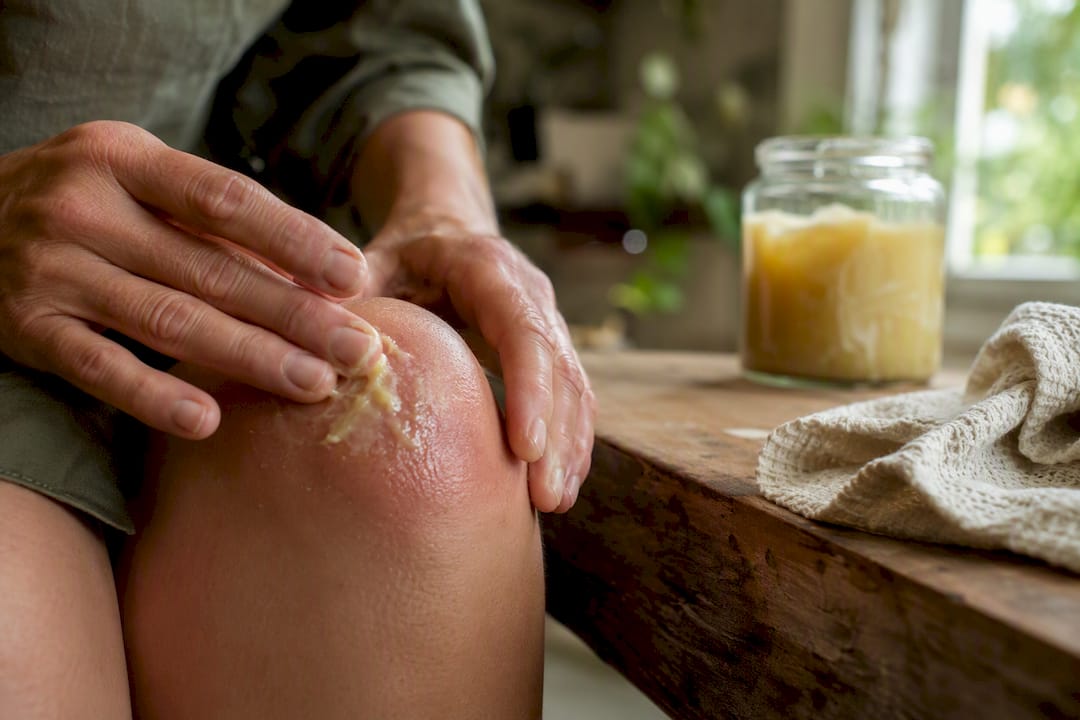
Emollients work faster on the surface. They physically slot into the gaps between skin cells, smoothing rough texture within minutes of application. That’s why an emollient-heavy lotion feels instantly better even though it isn’t doing much for long-term water retention. Pairing a humectant underneath and an occlusive on top gives you both: immediate softness and lasting hydration.
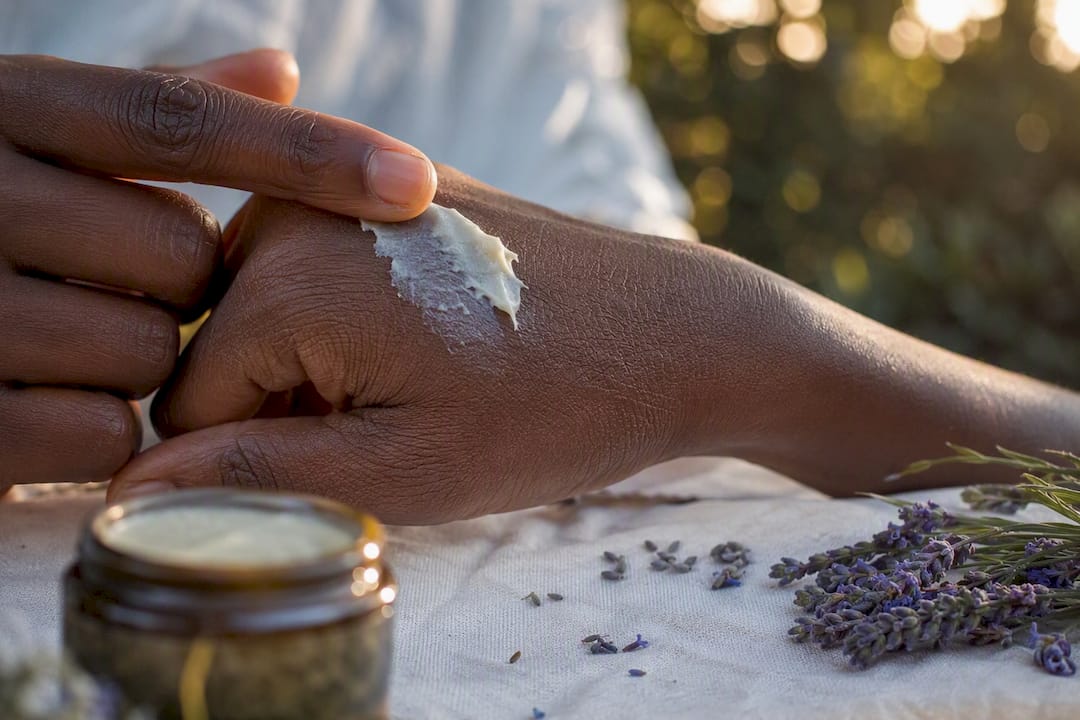
Which Ingredients Count as Occlusive or Emollient?
Reading an ingredient label makes a lot more sense once you know which category each name belongs to.
Common occlusives:
- Petrolatum (petroleum jelly), the benchmark ingredient for sealing power
- Mineral oil, lighter than petrolatum but still highly occlusive
- Lanolin, derived from sheep’s wool, excellent at mimicking human sebum
- Beeswax, a plant and insect based sealant used in balms
- Beef tallow, a natural animal fat that closely resembles the lipids already in human skin, offers multiple skincare advantages explained in detail in tallow benefits for face.
- Dimethicone and other silicones, used for a silky, non-greasy seal
Common emollients:
- Shea butter, rich in fatty acids that soften rough patches
- Squalane, a lightweight lipid that mimics skin’s own oil
- Fatty alcohols like cetearyl alcohol, used to smooth texture without heaviness
- Esters like isopropyl myristate, often added for a silkier finish
Plenty of ingredients don’t sit neatly in one box. Tallow and lanolin, for example, act as both occlusive and emollient at once because their fatty acid profile is close to what your skin already produces. Research from Michigan State University’s ingredient exploration series notes that natural fats like these can support barrier repair more gently than some purely synthetic occlusives, since they’re chemically closer to what skin already recognizes.
Statistic to remember: petrolatum’s near 99 percent reduction in water loss is the ceiling most other occlusives get measured against. Nothing else on a typical ingredient list comes close to that number.
How Should You Layer Occlusives and Emollients?
Order matters more than most people realize. Here’s the sequence that actually works with skin biology instead of against it:
- Apply humectants first, while skin is still damp from washing, so they have water to grab onto.
- Follow with an emollient to smooth texture and start softening rough patches.
- Seal with an occlusive last, especially at night, to trap everything underneath.
Reach for a heavier occlusive on very dry patches, cracked heels, or eczema-prone skin, and lean on it more at night when you’re not worried about shine. Skip heavy occlusives on an acne-prone face during the day. That same sealing effect that locks in hydration can also trap oil and bacteria against the skin in areas with more hair follicles and oil glands.
Sample routines look different by skin type. Very dry skin benefits from a humectant serum plus a tallow or shea-based balm at night. Combination skin often does well with a lighter emollient lotion during the day, saving anything occlusive for cheeks or dry patches only. Oily and acne-prone skin usually does better with humectant-forward, lightweight emollients and minimal occlusive use on the face. Sensitive skin, including eczema-prone skin, tends to respond well to natural emollient-occlusive hybrids with short ingredient lists.
Pro Tip: Warm a pea-sized amount of a heavier balm between your palms before applying. It spreads thinner, absorbs faster, and cuts down on that greasy after-feel people usually blame on the ingredient itself rather than the amount used. For more on this, see our guide on applying whipped tallow without leaving a greasy residue.
Can Occlusives or Emollients Cause Breakouts?
Yes, in specific situations, and it’s worth knowing which ones before you slather a heavy balm on your face.
- Heavy occlusives on oily or acne-prone skin can trap oil against hair follicles, sometimes leading to breakouts or a condition called occlusive folliculitis, small irritated bumps where hair follicles get blocked.
- DermNet NZ notes that occlusives can aggravate acne in some users, particularly with prolonged use on the face.
- Lanolin and certain fragrances used as emollients are known allergens for a subset of people, so anyone with a history of contact dermatitis should check ingredient lists carefully.
- Before using any new balm or cream on a large area, patch-test on your inner forearm for 24 to 48 hours.
- If irritation, cystic breakouts, or a rash persist, emollients are generally recommended by the NHS for eczema and dry skin conditions, but a dermatologist should weigh in before you keep using a product that’s clearly not agreeing with your skin.
Why Grass-Fed Tallow Balm Covers Both Roles
Beef tallow occupies a rare spot on this list: it functions as an emollient and an occlusive in the same application. Its fatty acid profile closely mirrors human sebum, which is why it softens rough patches on contact while also laying down a breathable seal that slows water loss. Our deep dive into how tallow mimics skin sebum covers the lipid science behind that overlap in more detail.
Lord’s Love Butter whips grass-fed tallow with Manuka honey specifically to soften that seal further, since whipping introduces air and lightens what would otherwise be a dense, heavy balm. For eczema-prone skin, tallow-based balms have shown up in real household use as a gentler alternative to petroleum-heavy ointments, a pattern echoed in our examples of tallow use for eczema-prone skin.
- Night repair or very dry patches: a richer whipped balm applied generously before bed.
- Daily face use: a lighter lite formula that skips the heaviness without giving up the barrier support.
- Sensitive or compromised skin: the same lipid profile that mimics sebum, minus synthetic fillers.
What Most Skincare Advice Gets Wrong Here
Most articles treat “occlusive vs emollient” like a competition, telling readers to pick a side. That framing misses the point entirely. The research doesn’t support choosing one category and ignoring the other; it supports understanding what each one is actually for and using them together on purpose.
The bigger gap in conventional advice is timing expectations. People try a heavy occlusive balm, see rough texture instantly smooth out, and assume that’s the full effect. It isn’t. The occlusive’s real job, slowing water loss from deeper layers, plays out over days, not minutes. Judging an occlusive balm by how it feels in the first five minutes is like judging a roof by how it looks before it rains.
If I had to tell someone what to prioritize first, it wouldn’t be finding the “best” ingredient. It would be matching texture to actual skin condition: lighter emollients for oily zones, richer occlusive-emollient hybrids like tallow for genuinely dry or barrier-compromised skin, and patience for the water-retention benefits to show up over about a week of consistent use.
— Michael
Get the Emollient-Occlusive Balance Without Guesswork
Everything explained above about layering, texture, and ingredient roles points to the same practical question: which product actually gives you both functions without a complicated routine? Whipped tallow does that by design, since its lipid profile softens on contact and seals right after.
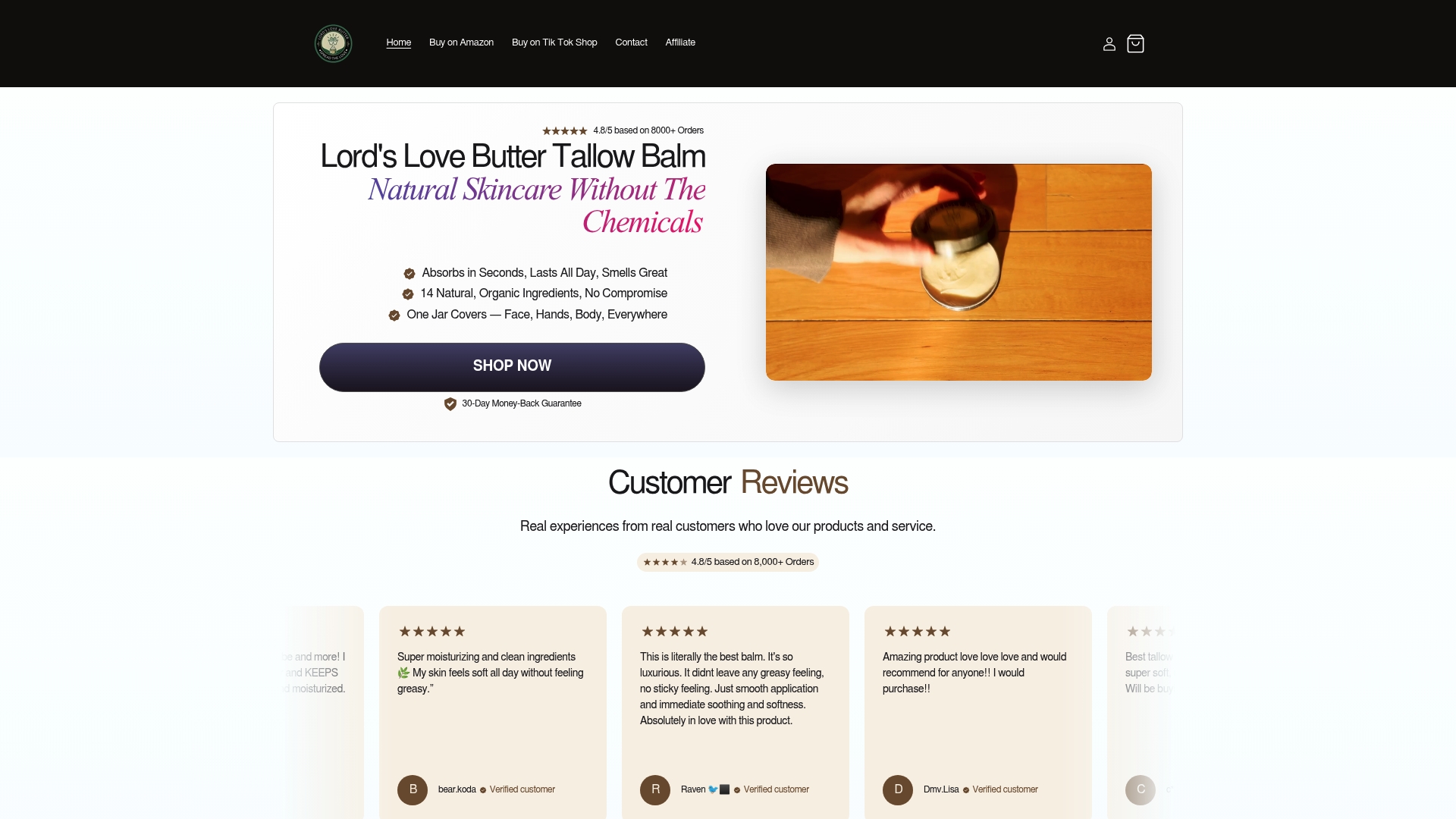
For very dry skin or nighttime barrier repair, the Whipped Beef Tallow Balm with Manuka Honey in the 2.4 oz tin delivers the heavier occlusive coverage this article recommends for eczema-prone or cracked areas. If you want a similar formula in a jar instead, the 2.4 oz jar version offers the same balm in different packaging. For daily face use where a lighter emollient makes more sense, the Original Beef Tallow Balm Lite with Manuka Honey skips the heaviness. Readers chasing brightening benefits alongside barrier support can look at the Tallow Face Duo with Vitamin C, Squalane, and Rosehip Oil or the Vitamin C Whipped Beef Tallow Balm with Squalane. For flare-prone skin that needs stronger restorative support, the Tallow Lite Double with 2x Manuka Honey and Propolis is built for that job. Pick the SKU that matches your skin’s actual need this week, not the one with the most features, and give it the same week or two the science says barrier repair actually takes.
Sources
- Moisturizers - StatPearls - NCBI Bookshelf
- Emollients and moisturisers — DermNet NZ
- Emollients | NHS

