

Vitamin C for Sensitive Skin: Gentle Forms That Work
Classic LAA serums with higher concentrations and low pH can cause stinging and redness in reactive skin.
Quick shortlist for U.S. shoppers:
- Lordslovebutter Vitamin C Whipped Beef Tallow Balm with Manuka Honey & Squalane — oil-based, pH-independent delivery with squalane and Manuka honey; no sting risk from low pH
- A 5% LAA water serum in an airless pump — lowest-irritation entry point for those who want classic ascorbic acid
- A MAP or SAP serum with hyaluronic acid — water-soluble derivative, mild penetration, good for mild-to-moderate sensitivity
Start with 2–3 applications per week, always on completely dry skin, and patch test for 48 hours before committing to a full routine.
Key Takeaways
Gentler vitamin C forms and a repaired barrier are the two factors that determine whether sensitive skin tolerates vitamin C at all.
| Point | Details |
|---|---|
| Choose pH-independent derivatives | THDA, MAP, and SAP work at neutral pH and avoid the low-pH sting that makes classic LAA irritating for reactive skin. |
| Start low and slow | Begin at 2–3 times per week on completely dry skin; ramp to daily only after 2–4 weeks with no reaction. |
| Repair the barrier first | If skin is currently inflamed or reactive, use a lipid-rich moisturizer for several weeks before introducing any vitamin C product. |
| Sunscreen is non-negotiable | Vitamin C’s photoaging and pigmentation benefits are strongest when paired with daily broad-spectrum UV protection. |
| Lordslovebutter’s vitamin C balm | Oil-based, pH-independent delivery with squalane and Manuka honey; suited for very reactive or eczema-prone skin that stings with water-based serums. |
Table of Contents
- How does vitamin C actually benefit your skin?
- Why does traditional L-ascorbic acid irritate sensitive skin?
- What are the gentler vitamin C forms for reactive skin?
- How do you choose a vitamin C product for sensitive skin?
- How to introduce vitamin C safely into a sensitive-skin routine
- Which vitamin C products work well for sensitive skin in the U.S.?
- What to do if vitamin C stings or causes redness
- How these recommendations were chosen
- Why a vitamin C whipped tallow balm can be a gentle option for sensitive skin
- The case for slowing down with vitamin C
- Lordslovebutter’s vitamin C balm: a gentle starting point for sensitive skin
- Sources
How does vitamin C actually benefit your skin?
Topical vitamin C does three things that matter: it neutralizes free radicals, supports collagen production, and slows the pigment process that creates dark spots.
The antioxidant mechanism is the most immediate. UV radiation and pollution generate reactive oxygen species that degrade collagen and lipid membranes. Vitamin C intercepts those molecules before they cause structural damage, which is why antioxidants matter for aging skin in a way that no moisturizer alone can replicate.
Collagen synthesis is where the longer-term payoff lives. Vitamin C acts as a cofactor for prolyl and lysyl hydroxylase, the enzymes that stabilize collagen’s triple-helix structure. Without adequate ascorbate, newly formed collagen is weaker and breaks down faster. Consistent topical use over several weeks tends to produce visible improvements in skin firmness and fine-line depth, based on clinical trials showing texture improvements at moderate concentrations.
On pigmentation, vitamin C inhibits tyrosinase, the enzyme that drives melanin production. That is why brightening and dark-spot fading are among the most consistently reported benefits in both clinical and consumer settings.
Statistic worth knowing: A small clinical series found that topical ascorbic acid delivered via microneedling reduced cheek erythema by up to ~23.5% in participants with reactive, sensitive skin. That is not a number you see in typical brightening studies, and it suggests vitamin C can actually calm redness when delivered correctly, not just cause it.
Pair vitamin C with a broad-spectrum sunscreen every morning. Harvard Health’s dermatology review frames the two as complementary: vitamin C handles oxidative damage that UV filters miss, while sunscreen prevents the photodegradation that makes vitamin C less effective.
Why does traditional L-ascorbic acid irritate sensitive skin?
The short answer: LAA requires a low-pH environment to penetrate skin effectively, and that same acidic environment is exactly what disrupts a compromised barrier.
Here is what drives the irritation:
- Low pH formulation. LAA is only stable and bioavailable at a pH below 3.5. At that acidity, the formula itself acts as a mild acid peel on skin that is already reactive or barrier-impaired.
- High concentration. Products at 15–20% LAA deliver a stronger acid load. The higher the concentration, the more pronounced the tingling, and for sensitive skin, tingling often escalates to burning.
- Applying to damp skin. Wet skin dilutes the formula unevenly and opens channels for faster penetration. On a reactive complexion, this amplifies the sting significantly.
- Alcohol and fragrance vehicles. Many LAA serums use ethanol as a solvent to improve stability. Alcohol strips lipids from the skin surface, and fragrance compounds are among the most common contact sensitizers.
- Weakened barrier and elevated TEWL. When transepidermal water loss is already high (common in eczema, rosacea, or chronically dry skin), the skin’s acid mantle is disrupted and nerve endings sit closer to the surface. A low-pH formula hits those nerves directly.
The result is a cycle: the serum irritates the barrier, the barrier becomes more permeable, the next application stings more. Harvard Health’s clinical overview specifically flags LAA’s low-pH requirement as the primary irritation driver, which is why the derivative conversation matters so much for sensitive skin.
What are the gentler vitamin C forms for reactive skin?
Derivatives convert to active ascorbic acid inside the skin, but they differ in solubility, pH dependence, and how fast they penetrate. For sensitive skin, those differences are the whole story.
THDA/THDC is the derivative that gets the most attention for reactive skin, and for good reason. It is oil-soluble, works at skin’s natural pH, and converts to active ascorbic acid more slowly after penetrating the lipid barrier. Allure’s expert commentary notes it is generally better tolerated by rosacea-prone and erythema-prone skin than low-pH LAA. The trade-off: conversion rate to active vitamin C is not precisely established, so formulators typically pair THDA with supporting antioxidants like vitamin E and ferulic acid, and the format needs to be leave-on (a balm or cream, not a rinse-off product) for it to work.
MAP and SAP are water-soluble phosphate derivatives that are stable at neutral pH. They penetrate more gently than LAA and have a solid tolerability record in sensitive-skin studies. MAP in particular shows up frequently in formulas designed for reactive or post-procedure skin. Neither requires the acidic environment that makes LAA problematic.
Ascorbyl tetraisopalmitate is another oil-soluble ester with good lipid affinity, similar in concept to THDA. It is less studied but appears in several premium formulations aimed at dry or sensitive skin types.
The key is starting low and building tolerance. Dear, Klairs’ guidance positions 5% as the appropriate entry point for sensitive beginners, with concentration increases only after tolerance is confirmed.
Pros and cons at a glance:
- THDA/THDC: No pH dependency, oil-soluble, gentle on reactive skin. Slower conversion, needs leave-on format, conversion rate uncertain.
- MAP/SAP: Stable at neutral pH, water-soluble, established tolerability. Slightly less potency data than LAA.
- Ascorbyl tetraisopalmitate: Good lipid affinity, oil-soluble. Less clinical data than THDA or MAP.
- 5% LAA: Proven efficacy data, widely available. Still requires low pH; must be applied to dry skin with care.
How do you choose a vitamin C product for sensitive skin?
The four rules that matter most: pick a gentle derivative or low-concentration LAA, look for a hydrating base, avoid fragrance and high alcohol, and buy in packaging that protects stability.
Formulation checklist:
- Preferred vitamin C form. THDA, MAP, SAP, or ascorbyl tetraisopalmitate for reactive skin. If choosing LAA, stay at 5% or below to start.
- Concentration target. For derivatives, 1–5% is typical and effective. For LAA on sensitive skin, 5% is the ceiling until tolerance is confirmed.
- pH and formulation notes. Derivatives work at neutral pH, so the formula does not need to be acidic. For LAA, look for a pH of 3.0–3.5 (lower than that increases irritation risk without improving efficacy).
- Hydrating base ingredients. Hyaluronic acid, glycerin, squalane, ceramides, or a lipid-rich base like tallow all help buffer the skin while the active works. A minimal-ingredient moisturizer approach reduces the chance of a secondary reaction from an unrelated ingredient.
- Ingredients to avoid. Synthetic fragrance, denatured alcohol (ethanol) high in the ingredient list, essential oils, and very low pH (below 3.0 for LAA).
- Packaging and stability cues. Vitamin C oxidizes quickly when exposed to air and light. Wirecutter’s testing criteria flag airless pumps and opaque or amber bottles as the most reliable packaging for preserving potency. A yellow or orange tint in a clear bottle is a sign the formula has already begun to degrade.
- Price and value. A higher price is justified when it buys a stable derivative formula, quality packaging, and a clean ingredient list. Paying more for a 20% LAA in a clear dropper bottle is not a good trade for sensitive skin.
Pro Tip: On product labels, THDA appears as “tetrahexyldecyl ascorbate,” MAP as “magnesium ascorbyl phosphate,” and SAP as “sodium ascorbyl phosphate.” If the label just says “vitamin C” or “ascorbic acid” without specifying the form, assume it is LAA and check the pH before applying.
How to introduce vitamin C safely into a sensitive-skin routine
The goal is slow exposure and barrier protection first, active benefits second.
- Patch test for 48 hours. Apply a small amount to the inner forearm or behind the ear. Wait two full days before using it on your face. Any redness, itching, or swelling means stop.
- Start at 2–3 times per week. Do not go daily from the first week. Give your skin time to adjust before increasing frequency.
- Apply only to completely dry skin. Wait at least 2–3 minutes after cleansing. Damp skin accelerates penetration and amplifies irritation risk, especially with LAA. Elora Clinic’s practical guidance specifically calls out dry-skin application as one of the most effective ways to reduce stinging.
- Follow the layering order. Cleanse → vitamin C product → hydrating serum (hyaluronic acid or glycerin-based) → moisturizer → sunscreen (AM only). The hydrating serum after vitamin C helps buffer any residual acidity and supports barrier recovery.
- Avoid stacking strong actives at first. Do not layer AHAs, BHAs, or retinoids in the same routine until you have confirmed tolerance over several weeks. These combinations can overwhelm a reactive barrier.
- Ramp up to daily use gradually. After 2–4 weeks at 2–3 times per week with no reaction, try every other day, then daily if your skin stays calm.
- Pair with barrier-supporting ingredients. Hyaluronic acid, squalane, vitamin E, and niacinamide all work well alongside vitamin C. Niacinamide was once thought to cause a reaction with LAA, but that concern applies only to very high temperatures and is not relevant in normal use.
- Wear sunscreen every morning. Vitamin C’s photoaging benefits are strongest when UV damage is also being blocked. Skipping sunscreen wastes much of the antioxidant work.
Timeline for results: Brightening and dark-spot improvement typically appear after 4–8 weeks of consistent use. Texture and firmness changes take longer, usually 10–12 weeks. A moderate-concentration ascorbic acid formula used over several weeks showed significant photoaging reduction versus placebo in controlled trial data.
For a fuller picture of how skin builds tolerance to new actives, the how skin tolerates new products guide covers the reintroduction process in detail.
Which vitamin C products work well for sensitive skin in the U.S.?
Very reactive or barrier-impaired skin needs an oil-based, pH-independent delivery. Mild sensitivity can tolerate a water-based derivative serum.
Lordslovebutter’s Vitamin C Whipped Beef Tallow Balm is the strongest fit for people whose skin reacts to water-based serums, stings with anything acidic, or needs barrier repair alongside antioxidant support. The oil-based delivery bypasses the low-pH requirement entirely, squalane adds lipid replenishment, and Manuka honey brings antimicrobial and humectant properties. It works as a leave-on treatment, which is exactly the format THDA-type derivatives need for effective conversion.
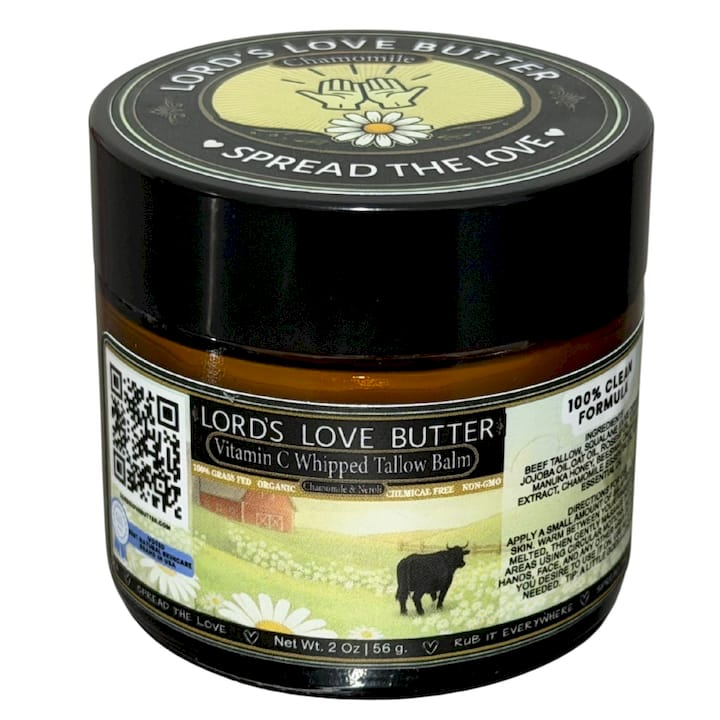
The Whipped Beef Tallow Balm in Tin or Jar (without vitamin C) is the right starting point for skin that is currently too reactive for any active. Use it to repair the barrier first, then introduce the vitamin C balm once the skin is stable. The tin suits those who prefer a travel-friendly, sealed format; the jar works well for home use and whole-body application.
A MAP or SAP water serum is a reasonable choice for someone with mild sensitivity who prefers a lightweight texture and wants a formula that layers easily under makeup. These are widely available at U.S. drugstores and beauty retailers.
The airless packaging matters here: oxidized LAA not only loses efficacy but can cause more irritation than fresh formula.
For a body care routine for sensitive skin that incorporates these products into a full daily sequence, the linked guide covers layering and barrier-first principles in practical detail.
What to do if vitamin C stings or causes redness
Stop the product immediately and focus on barrier recovery before anything else.
- Stop using the vitamin C product. Do not push through stinging or redness hoping it will resolve. Continued use on an irritated barrier makes the reaction worse.
- Rinse gently with cool water. Use your fingertips only, no washcloth or exfoliating tool. A gentle, fragrance-free cleanser is fine if you need to remove residue.
- Apply a barrier-repair moisturizer. Something with ceramides, squalane, or a lipid-rich base like tallow. The Lordslovebutter Whipped Beef Tallow Balm is a good option here: minimal ingredients, no fragrance, and a lipid profile that supports barrier recovery. See also the natural moisturizer types for sensitive skin guide for barrier-repair ingredient options.
- Skip all actives for at least 5–7 days. No retinoids, AHAs, BHAs, or niacinamide until the skin is fully calm.
- Cool compress if needed. A clean cloth dampened with cool water held against the skin for a few minutes can reduce immediate heat and redness.
- OTC soothing options. Aloe vera gel (fragrance-free) and panthenol (vitamin B5) are well-tolerated by most reactive skin and can help calm surface inflammation.
- Brief topical hydrocortisone (0.5–1%). If redness persists beyond 24–48 hours, a short course (2–3 days) of OTC hydrocortisone can reduce inflammation. Do not use it for longer without a dermatologist’s guidance.
- See a dermatologist if: the reaction spreads beyond the application area, you develop hives or swelling, redness does not resolve within a week, or you have had similar reactions to multiple products.
When reintroducing vitamin C after a reaction, wait until the skin is fully healed, then start with the gentlest derivative available (THDA or MAP in a hydrating base), patch test again, and begin at the lowest possible frequency. Document the reaction with photos and note the product’s full ingredient list before your derm visit.
How these recommendations were chosen
The primary filters were vitamin C form, concentration, hydrating base, packaging stability, and evidence of tolerability in sensitive or reactive skin.
- Vitamin C form and pH independence. Derivatives that work at neutral pH were prioritized because they eliminate the single biggest irritation driver in classic LAA formulas.
- Clinical studies and dermatologist guidance. Recommendations draw on PMC-indexed clinical research on topical ascorbic acid, Harvard Health’s dermatology overview, and practical guidance from clinical skincare sources.
- Concentration targets. Products or categories with concentrations above 10% LAA were excluded from the sensitive-skin shortlist. Derivatives at 1–5% were preferred.
- Ingredient transparency. Products with fragrance, high ethanol, or undisclosed pH were deprioritized. A hypoallergenic formulation approach was used as a reference standard for ingredient scrutiny.
- Packaging and stability. Following Wirecutter’s consumer-testing criteria, airless or opaque packaging was treated as a meaningful quality signal, particularly for LAA formulas.
- User tolerability. Where available, real-world tolerability data (patch-test protocols, user feedback patterns) informed recommendations over in-vitro stability data alone.
Limitations: Product labels do not always disclose pH or the precise conversion rate of derivatives to active ascorbic acid. Where that information was unavailable, recommendations defaulted to the gentler form and lower concentration.
Why a vitamin C whipped tallow balm can be a gentle option for sensitive skin
An oil-based, pH-independent vitamin C delivery system sidesteps the core problem with classic serums: it does not need to be acidic to work.
Lordslovebutter’s Vitamin C Whipped Beef Tallow Balm with Manuka Honey & Squalane is built on a grass-fed whipped beef tallow base, which has a lipid profile similar to human sebum. That similarity means it absorbs without sitting on the surface, supports the skin’s own barrier lipids, and does not require emulsifiers or solvents that can irritate reactive skin. The key features:
- Grass-fed whipped beef tallow base — lipid-rich, sebum-compatible, no synthetic emulsifiers
- Manuka honey — antimicrobial and humectant; draws moisture to the skin surface
- Squalane — lightweight lipid that reinforces the barrier without clogging pores
- Vitamin C in oil-soluble form — pH-independent delivery, no sting from low-pH formulation
- Minimal ingredient list — fewer ingredients means fewer potential irritants
- Whole-body suitability — face, neck, hands, and body; not just a facial serum
Because THDA-type derivatives need extended contact time to convert to active ascorbic acid, a leave-on balm format is actually the correct delivery vehicle, not a compromise. A rinse-off product or a serum wiped off before moisturizer would reduce efficacy. The balm stays on the skin, giving the derivative time to work.
Who benefits most: People with reactive or erythema-prone skin who have stung with water-based serums before; those managing eczema or psoriasis who need barrier repair alongside antioxidant support; anyone who dislikes the watery, fast-absorbing texture of conventional serums and prefers a richer, more nourishing feel.
The case for slowing down with vitamin C
Most sensitive-skin vitamin C advice focuses on which product to buy. The more useful question is whether your barrier is ready for any active at all.
Vitamin C derivatives are genuinely gentler than high-concentration LAA, and the clinical evidence for topical ascorbic acid’s benefits is solid. But the biggest mistake people with reactive skin make is treating “gentle” as a synonym for “safe to use aggressively.” A THDA balm applied to broken, inflamed skin will still cause a reaction, not because the formula is wrong but because the barrier is not ready.
The sequence that actually works: repair first, then introduce the active. That means a few weeks of nothing but a clean, lipid-rich moisturizer before adding any vitamin C product. Once the barrier is calm and TEWL is under control, a gentle derivative in a hydrating base is unlikely to cause problems. Rushing past that step is why so many people conclude that vitamin C “doesn’t work for sensitive skin” when the real issue was timing.
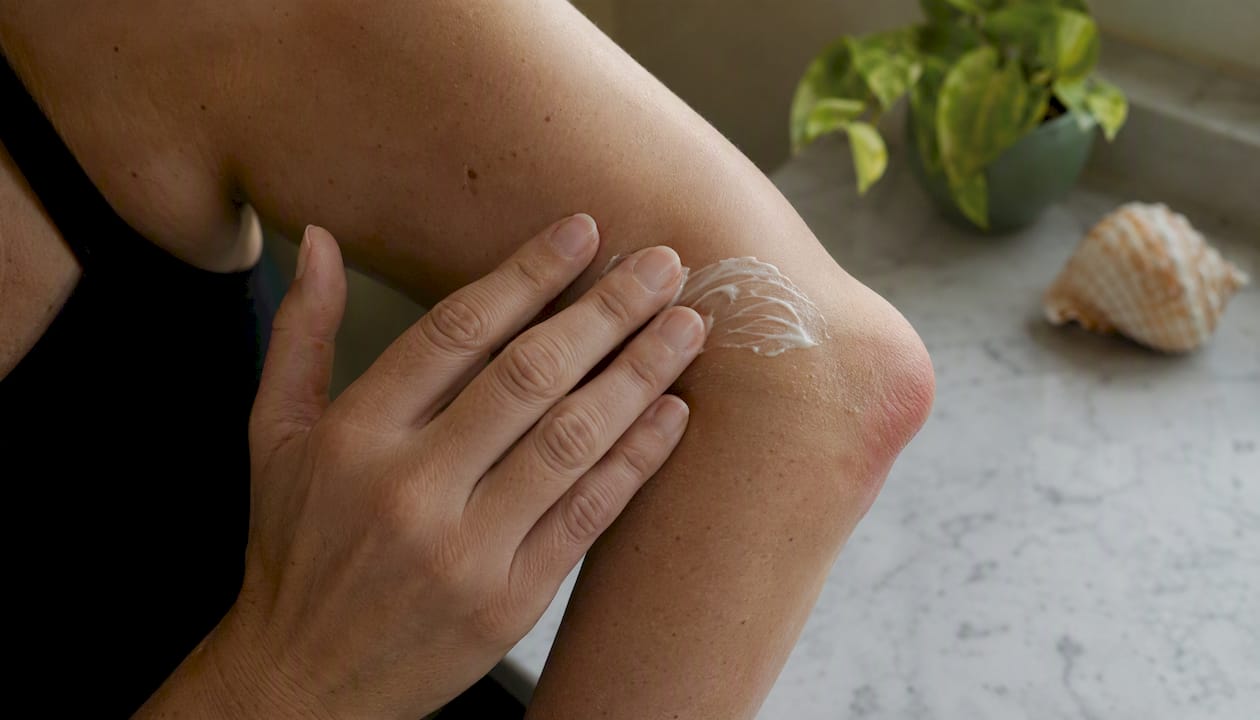
The other thing worth saying plainly: sunscreen is not optional when you are using vitamin C for photoaging or pigmentation. The antioxidant protection vitamin C provides is meaningful, but it does not replace UV filtration. Using one without the other cuts the benefit roughly in half.
Lordslovebutter’s vitamin C balm: a gentle starting point for sensitive skin
Sensitive skin deserves a vitamin C option that does not feel like a gamble every morning. Lordslovebutter’s Vitamin C Whipped Beef Tallow Balm with Manuka Honey & Squalane delivers antioxidant support in a format that skips the low-pH sting entirely: oil-based, minimal ingredients, and built around a grass-fed tallow base that repairs the barrier while the vitamin C works.
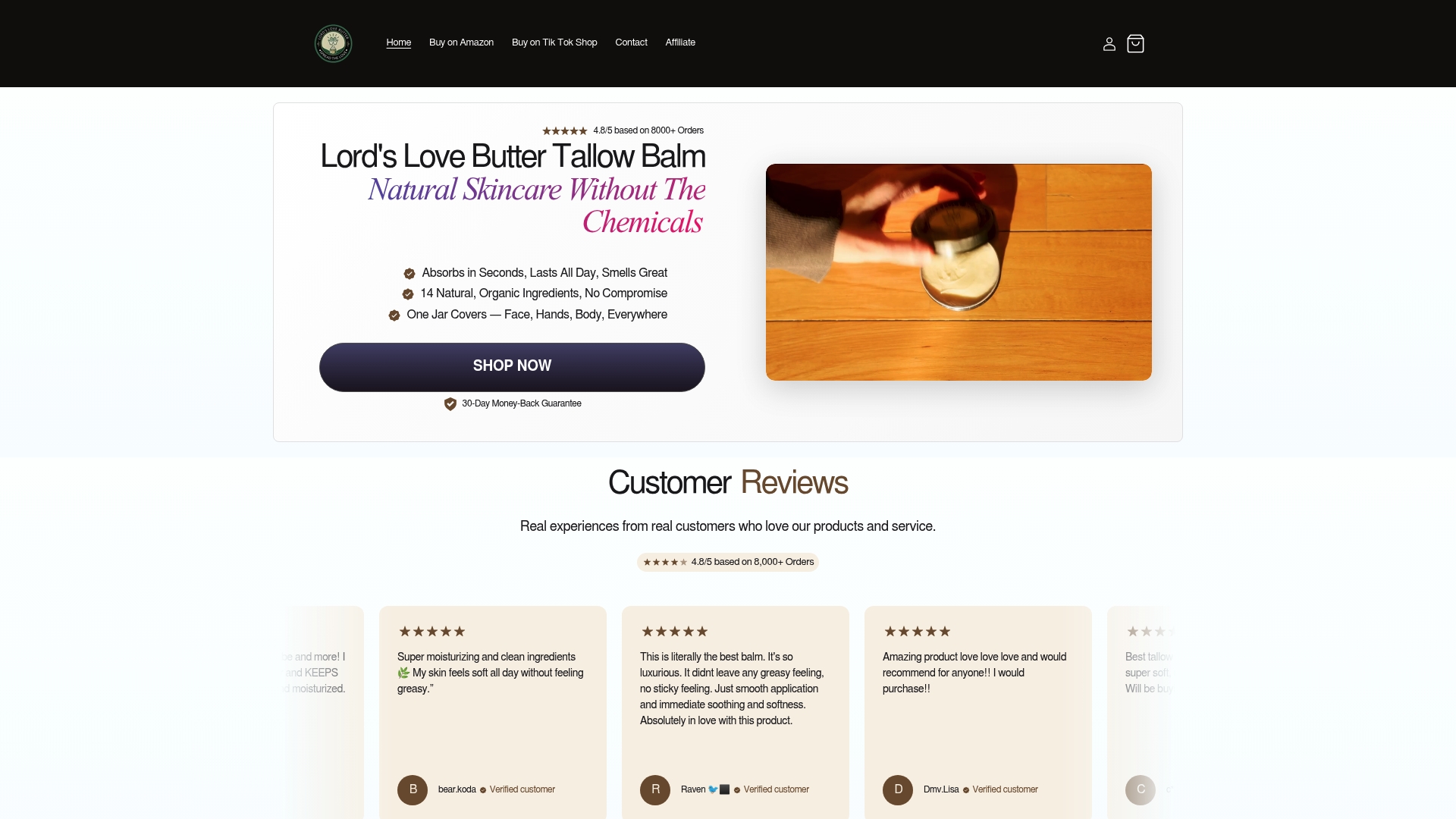
Use it the same way the routine above describes: patch test first, apply to dry skin, start 2–3 times per week, and layer a lightweight moisturizer over it if needed. For face use, the Face Duo bundle pairs the vitamin C balm with a lighter tallow formula so you can alternate based on how your skin feels that day. If you prefer a jar format for home use or whole-body application, the Whipped Beef Tallow Balm in Jar is the barrier-repair companion to reach for on reactive days before introducing the vitamin C version.
Sources
- Ascorbic Acid Treatments as Effective and Safe Anti-Aging Therapies for Sensitive Skin - PMC
- If You Have Sensitive Skin, This Form of Vitamin C Is for You | Allure
- Why is topical vitamin C important for skin health? | Harvard Health Blog
- The 6 Best Vitamin C Serums of 2026 | Reviews by Wirecutter

