

What Is Whole-Body Moisturizer: Defined and Explained
A whole-body moisturizer is a topical skincare product formulated to deeply hydrate and protect the skin across your entire body, using a balanced blend of humectants, emollients, and occlusives. Unlike facial moisturizers, which are lighter and designed for the thinner, more reactive skin on your face, whole-body moisturizers are thicker and built to penetrate larger surface areas. The industry standard term for this category is “body moisturizer,” though “whole-body moisturizer” accurately describes its full-coverage purpose. Understanding what is whole-body moisturizer defined means knowing how it works, what goes into it, and why the right formula matters for your skin type.
How do whole-body moisturizers work to hydrate skin?
Whole-body moisturizers work by targeting the outermost skin layer, the stratum corneum, to slow down water loss and pull moisture into skin cells. The skin constantly loses water through a process called transepidermal water loss, or TEWL. Without intervention, TEWL leaves skin dry, tight, and prone to cracking.
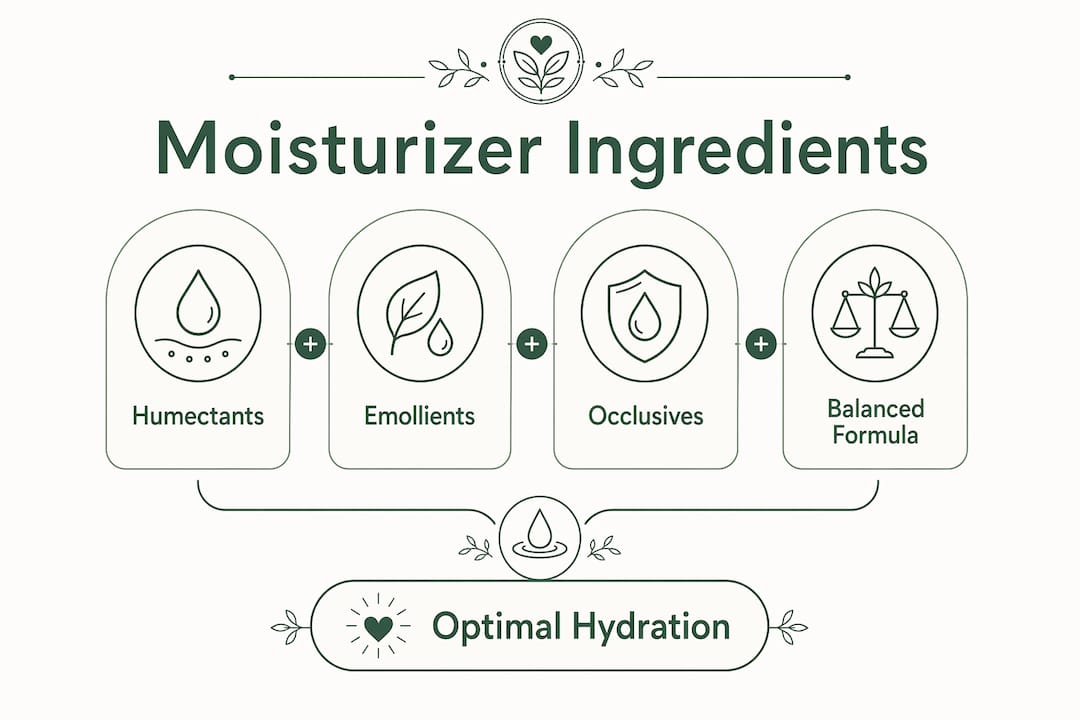
Moisturizers address TEWL through three distinct mechanisms. Humectants attract and bind water from both the deeper dermis and the surrounding environment. Occlusives form a physical barrier on the skin surface that physically slows water from escaping. Emollients fill the gaps between skin cells, smoothing texture and making skin feel soft.
- Humectants (glycerin, hyaluronic acid): draw water into the skin
- Occlusives (petrolatum, beeswax, tallow): seal moisture in by reducing TEWL
- Emollients (shea butter, plant oils): smooth and soften skin cell surfaces
The science behind this is well established. Moisturizers reduce TEWL by using humectants to attract water and occlusives to seal it in. That two-part action is why a well-formulated body moisturizer outperforms any single-ingredient product. Moisturizers have also evolved beyond simple softening agents into biologically active products that support skin barrier repair and help prevent dermatological conditions.
Pro Tip: Apply your body moisturizer within three minutes of stepping out of the shower. Damp skin absorbs product faster and locks in more moisture than completely dry skin.
What key ingredients are in effective whole-body moisturizers?
The ingredients in a whole-body moisturizer determine how well it hydrates, how long that hydration lasts, and whether it suits your skin type. Dermatologists recommend hyaluronic acid, glycerin, shea butter, and ceramides as the core building blocks for deep hydration and barrier support. Each plays a different role.
Common humectants
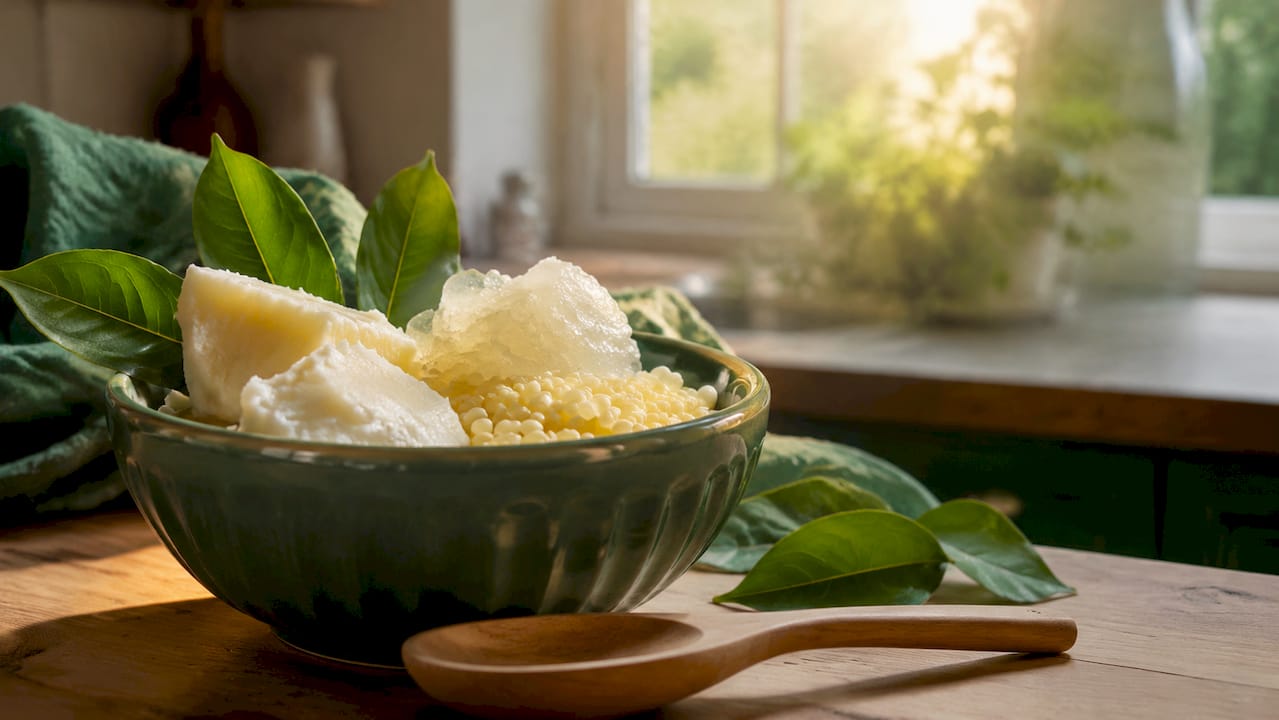
Glycerin is the most widely used humectant in body moisturizers. It pulls water from the air and from deeper skin layers into the stratum corneum. Hyaluronic acid does the same but can hold significantly more water per molecule, making it especially effective for very dry skin.
Common occlusives
Petrolatum (petroleum jelly) is the gold standard occlusive in clinical dermatology. Beeswax, lanolin, and natural fats like grass-fed beef tallow also function as occlusives. These ingredients sit on top of the skin and physically reduce water evaporation. Ceramides work slightly differently. They restore the lipid network within the skin barrier itself, and ceramide-based moisturizers reduce scaling and TEWL while improving skin smoothness and radiance.
Common emollients
Shea butter and cocoa butter are the most recognizable emollients in body care. They soften skin by filling the spaces between skin cells with fatty acids. Plant-based oils like jojoba and argan oil serve a similar function.
| Ingredient type | Examples | Primary function |
|---|---|---|
| Humectant | Glycerin, hyaluronic acid | Attracts and binds water |
| Occlusive | Petrolatum, beeswax, tallow | Seals moisture, reduces TEWL |
| Emollient | Shea butter, cocoa butter, jojoba oil | Smooths and softens skin texture |
| Barrier restorer | Ceramides | Rebuilds lipid network in skin barrier |
The best whole-body moisturizers balance all three ingredient types. Humectant-heavy lotions without occlusives can actually reduce net hydration in dry climates by drawing water out of the skin rather than from the air. That balance is what separates a product that works from one that feels good for an hour and then leaves skin drier than before.
Pro Tip: If you live in a dry or cold climate, look for a body moisturizer that lists an occlusive like petrolatum, beeswax, or tallow in the first five ingredients. That placement signals a meaningful concentration.
For people with sensitive skin, simpler formulas with fewer synthetic chemicals reduce the risk of irritation. Natural-based formulations using tallow or plant oils are particularly gentle for reactive skin types.
How do body moisturizers differ from lotions, creams, and facial products?
The terms lotion, cream, balm, and moisturizer are often used interchangeably, but they describe different formulations with different performance profiles. Lotions contain more water and are lighter than creams or balms, which have higher oil content and provide longer-lasting hydration. That distinction matters when you are choosing a product for your skin type or the season.
| Product type | Water content | Oil content | Best for |
|---|---|---|---|
| Lotion | High | Low | Normal to oily skin, warm climates |
| Cream | Medium | Medium | Normal to dry skin, year-round use |
| Balm or butter | Low | High | Dry to very dry skin, cold climates |
| Facial moisturizer | Very high | Very low | Face only, thinner skin |
Facial moisturizers are formulated for the face’s thinner, more sensitive skin. They are lighter, often non-comedogenic, and designed to absorb quickly without clogging pores. Using a facial moisturizer on your body is not harmful, but it is expensive and inefficient. Body moisturizers cover more surface area and are built for the thicker skin on your arms, legs, and torso.
The practical rule is straightforward. Dry skin benefits from oily creams or ointments, while oily skin does better with lighter, water-based lotions. Areas prone to extreme dryness, like elbows, knees, and heels, need more occlusive agents than the rest of the body.
What are the benefits and best practices for using whole-body moisturizers?
Regular use of a whole-body moisturizer delivers measurable benefits beyond just soft skin. Ceramide and natural oil-based moisturizers improve hydration, reduce scaling, and enhance skin smoothness by restoring the lipid balance in the skin barrier. That barrier function matters for overall skin health, not just appearance.
The core benefits of consistent whole-body moisturizer use include:
- Improved hydration levels across the full body surface
- Smoother skin texture through emollient action on rough patches
- Stronger skin barrier that resists environmental irritants
- Reduced dryness and flaking, especially in winter months
- Support for skin conditions like eczema and psoriasis, where barrier repair is critical
Timing and technique affect results significantly. Applying moisturizer on damp skin after a shower enhances penetration and maximizes barrier repair. Waiting until skin is fully dry reduces absorption. The window is roughly three minutes after toweling off.
Frequency depends on your skin type and environment. Dermatologists adjust moisturizer frequency recommendations based on climate, skin needs, and season. In cold, dry winters, daily application is the minimum. In humid summers, every other day may be enough for normal skin. Thicker creams suit cold and dry climates, while lighter lotions work better in warm, humid conditions.
The most common mistake people make is skipping hard-to-reach areas like the upper back, backs of the knees, and the shins. These spots dry out faster than others and are often the first to show cracking or flaking. A second common mistake is using a humectant-only product in a dry environment. Without an occlusive layer, the humectant pulls water from your skin instead of the air, leaving you drier than before.
Pro Tip: For the best whole-body hydration results, layer a humectant serum like glycerin on damp skin first, then seal it with a cream or balm that contains an occlusive ingredient. That two-step approach mimics how clinical moisturizers are designed to work.
You can also explore whole-body moisturizer benefits in more depth to understand how a single well-chosen product can replace multiple steps in a body care routine.
Key Takeaways
A whole-body moisturizer works best when it balances humectants, emollients, and occlusives, applied on damp skin daily or as needed for your climate and skin type.
| Point | Details |
|---|---|
| Core definition | A whole-body moisturizer hydrates and protects skin across the entire body using humectants, emollients, and occlusives. |
| Ingredient balance | Humectant-only products can reduce hydration in dry climates without an occlusive to seal moisture in. |
| Product type differences | Lotions are lighter and faster-absorbing; creams and balms offer richer, longer-lasting hydration for dry skin. |
| Best application timing | Apply on damp skin within three minutes of showering to maximize absorption and barrier repair. |
| Frequency and climate | Use thicker creams in cold or dry conditions and lighter lotions in warm or humid weather. |
Why I think most people are using the wrong moisturizer for their body
Most people grab whatever lotion is on the shelf and apply it once a day after their shower. That habit is better than nothing, but it misses the point entirely. After years of paying close attention to how different formulations perform on different skin types, I have come to believe that the ingredient balance matters far more than the brand name or the price tag.
The biggest mistake I see is treating all moisturizers as equal. A glycerin-heavy drugstore lotion applied in a dry winter climate can actually pull water out of your skin if there is no occlusive ingredient to seal it in. That is not a marketing claim. It is basic chemistry, and it explains why so many people feel like moisturizers “stop working” after a few weeks.
What I have found actually works is keeping it simple. Fewer ingredients, higher quality fats, and consistent application on damp skin beat any complex formula applied incorrectly. Natural occlusives like tallow, beeswax, or shea butter have been used for centuries because they genuinely work. The skin does not need a 30-ingredient formula. It needs the right three or four ingredients in the right balance.
Seasonal adjustment is also underrated. I switch to a richer balm every october and go back to a lighter cream in april. That one habit alone has made a bigger difference than any single product change. Pay attention to how your skin feels in different weather, and let that guide your formula choice rather than sticking to one product year-round.
— Michael
Lordslovebutter: a natural whole-body moisturizer worth trying
Dry skin does not always need more products. Sometimes it needs better ones.
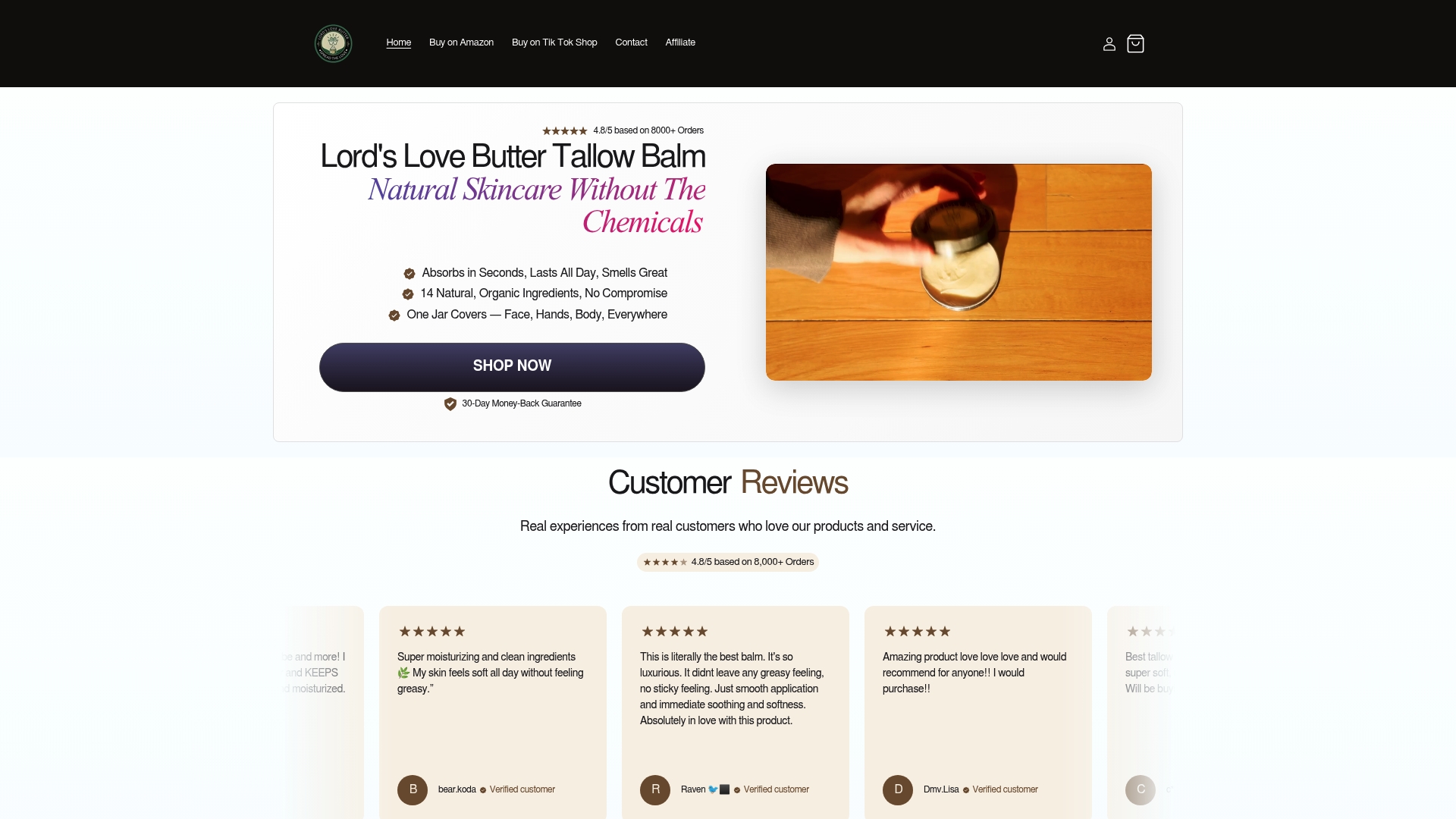
Lordslovebutter’s Whipped Beef Tallow Balm with Manuka Honey is formulated for whole-body use with grass-fed beef tallow as its base. Tallow is a natural occlusive and emollient that closely mirrors the fatty acid profile of human skin, making it effective without synthetic additives. The formula is free from chemicals and gentle enough for sensitive skin, eczema, and psoriasis. Customers report improved skin texture within days of consistent use. Lordslovebutter is a veteran-owned business that puts natural ingredients first, and the results speak for themselves.
FAQ
What is a whole-body moisturizer?
A whole-body moisturizer is a topical product formulated to hydrate and protect skin across the entire body using humectants, emollients, and occlusives. It is thicker and more concentrated than facial moisturizers, which are designed for thinner facial skin.
What is the difference between body lotion and body cream?
Lotions contain more water and absorb faster, making them better for normal or oily skin. Creams have higher oil content and provide longer-lasting hydration, making them the better choice for dry skin.
When is the best time to apply a whole-body moisturizer?
The best time to apply body moisturizer is within three minutes of showering on damp skin. Damp skin absorbs product more effectively and supports better barrier repair than dry skin.
What ingredients should I look for in a whole-body moisturizer?
Dermatologists recommend hyaluronic acid and glycerin as humectants, ceramides for barrier repair, and shea butter, tallow, or petrolatum as occlusives. A product that includes all three types delivers the most complete hydration.
Can I use a facial moisturizer on my body?
Facial moisturizers are safe to use on the body but are formulated for thinner facial skin and are typically too light to provide lasting hydration for larger body areas. A dedicated body moisturizer is more cost-effective and better suited for the job.

