

How Beef Tallow Reduces Itching: What You Need to Know
Beef tallow reduces itching primarily by acting as a heavy occlusive moisturizer that seals moisture into the skin, forming a physical barrier that slows water loss and soothes dryness-driven irritation. This mechanism, known in dermatology as occlusion, is the same principle behind petrolatum-based products like Vaseline. Understanding how beef tallow reduces itching means recognizing what it can and cannot do. It relieves dryness. It does not treat inflammation, allergies, or underlying skin conditions. For people dealing with persistent itchy skin and looking for natural treatments for itching, that distinction matters enormously before you reach for any remedy.
What is beef tallow and how does its fatty acid profile affect skin?
Beef tallow is rendered fat from cattle, typically sourced from the area around the kidneys. It has been used as a skin protectant for centuries, long before commercial moisturizers existed. The renewed interest in beef tallow for skin comes largely from its fatty acid composition, which shares structural similarities with human sebum.
Tallow contains four primary fatty acids that interact directly with the skin barrier:
- Oleic acid: Makes up a large portion of tallow and penetrates the outer skin layer to soften and condition. However, oleic acid can increase transepidermal water loss in compromised skin, which is a real concern for people with eczema.
- Linoleic acid: Present in smaller amounts, linoleic acid has theoretical anti-inflammatory properties. Linoleic acid helps seal moisture into the skin, though no proven clinical effect on inflammation has been demonstrated.
- Palmitic acid: A saturated fatty acid that contributes to tallow’s thick, waxy texture and its occlusive sealing ability.
- Stearic acid: Another saturated fatty acid that reinforces the skin barrier and gives tallow its solid consistency at room temperature.
These fatty acids do resemble the composition of human sebum, which is why advocates argue tallow feels natural on skin. The resemblance is real but partial. Human sebum also contains squalene and wax esters that tallow does not replicate. That gap matters when comparing tallow to clinically formulated moisturizers that include ceramides, hyaluronic acid, and humectants designed to attract water into the skin rather than just seal it.
For people exploring animal-based skincare options, tallow’s fatty acid profile is genuinely interesting. The science, though, calls for measured expectations.
How does beef tallow moisturize skin and reduce itching?
Beef tallow relieves itching through one primary mechanism: occlusion. It sits on top of the skin and forms a semi-permeable seal that slows transepidermal water loss. When skin loses water too quickly, it becomes dry, tight, and itchy. Tallow interrupts that cycle by keeping existing moisture locked in.
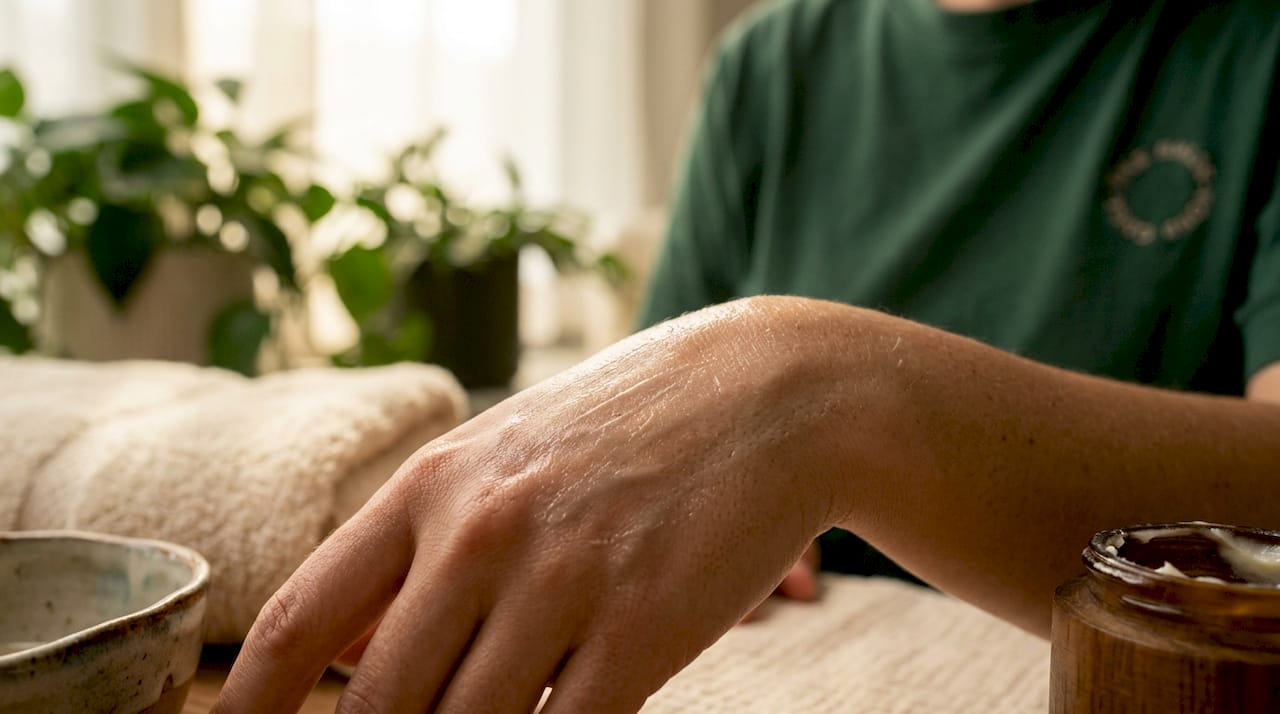
This is not a trivial benefit. Dry skin is one of the most common causes of itching, and occlusive agents are a first-line recommendation in dermatology for managing it. The difference between tallow and a dermatologist-recommended occlusive like petrolatum is the level of clinical evidence behind each one. Petrolatum has decades of controlled studies. Tallow does not. Dermatologists note that beef tallow acts as a barrier sealing existing moisture without therapeutic effects on inflammation.
For people with eczema or contact dermatitis, tallow may offer temporary comfort on dry patches. That comfort comes from moisture retention, not from any anti-inflammatory compound in the fat itself. If the itch has an inflammatory or allergic root cause, tallow will not address it. You may feel better for a few hours, but the underlying condition remains unchanged.
Pro Tip: Apply beef tallow to skin that is still slightly damp after washing. The tallow seals in that surface moisture rather than just sitting on dry skin, which significantly improves its effectiveness as an occlusive agent.
The soothing effect people report with tallow is real. The mechanism is straightforward moisture management, not a therapeutic treatment.
What are the risks and limitations of using beef tallow for skin itching?
Beef tallow carries real risks that get underreported in natural skincare circles. Understanding them is not a reason to avoid tallow entirely. It is a reason to use it carefully and on the right skin areas.
The most significant risks include:
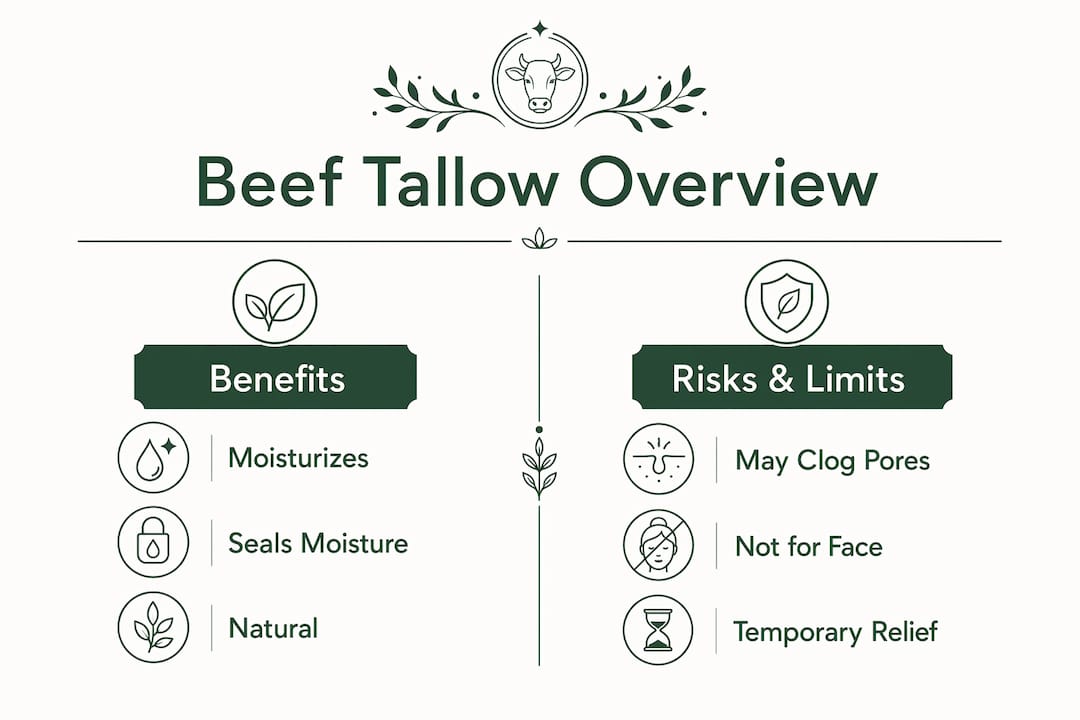
- Pore clogging and acne: Tallow is highly comedogenic and can trigger acne and rosacea flare-ups. Its thick occlusive layer traps heat and bacteria against the skin, which is exactly the wrong environment for acne-prone or oily skin.
- Eczema aggravation: Oleic acid, one of tallow’s dominant fatty acids, can worsen eczema by increasing transepidermal water loss in already compromised skin. This is counterintuitive but well-documented in 2024 research reviews.
- Bacterial contamination: Unregulated tallow products may carry bacterial contamination risks. Small-batch, artisanal products often lack the standardized microbial testing that commercial moisturizers undergo, increasing spoilage risk if mishandled.
- Allergic reactions: Animal-derived fats can trigger contact allergies in some people. This is less common but not rare, particularly in people with existing food or animal sensitivities.
- Variable product quality: Beef tallow products lack formal regulation and consistent purity standards. What you buy from one brand may differ significantly from another in terms of processing, additives, and microbial safety.
“Natural does not mean safer. Plant-based moisturizers often outperform beef tallow in both safety and clinical evidence.” — Cleveland Clinic
The bottom line is that tallow works best on very dry, non-facial body areas like elbows, knees, and heels. Daily facial use is discouraged by dermatologists, particularly for combination, oily, or sensitive skin types. If your itching is on your face or involves active breakouts, tallow is the wrong tool.
How does beef tallow compare to other moisturizers for itch relief?
Beef tallow occupies a specific niche in the moisturizer landscape. It is a strong occlusive with a natural origin, but it lacks the clinical backing and formulation precision of modern dermatologist-recommended products. Plant-based oils like jojoba and shea butter offer comparable emollient benefits with lower comedogenicity and better-documented safety profiles.
| Moisturizer | Mechanism | Best for | Key risk |
|---|---|---|---|
| Beef tallow | Occlusive barrier | Very dry body skin, elbows, knees | Acne, eczema aggravation, contamination |
| Jojoba oil | Emollient, mimics sebum | Most skin types including oily | Minimal; low comedogenicity |
| Shea butter | Emollient and occlusive | Dry to normal skin | Rare nut allergy |
| Ceramide moisturizers | Barrier repair | Eczema, sensitive skin | Minimal; clinically tested |
| Petrolatum | Heavy occlusive | Severely dry or cracked skin | Greasy feel; not for acne-prone skin |
Ceramide-based moisturizers like CeraVe and Vanicream are the dermatologist standard for itch relief tied to a compromised skin barrier. They repair the barrier from within by replenishing the lipids the skin naturally produces. Tallow seals from the outside but does not replenish ceramides. For people with eczema specifically, the tallow versus eczema comparison is worth studying before committing to a routine.
For people who prefer natural itch relief remedies and want to avoid synthetic ingredients, tallow is a reasonable option for body use. It is not the best option for facial skin or for conditions with an inflammatory component.
How to safely use beef tallow for itch relief
Safe use of beef tallow follows a clear set of steps. Skipping any of them increases the chance of a bad reaction, especially for people with sensitive or reactive skin.
- Patch test first. Apply a small amount to the inside of your wrist or elbow. Wait 24–48 hours and check for redness, swelling, or increased itching before applying it anywhere else.
- Choose the right area. Stick to very dry body areas: elbows, knees, heels, and dry patches on the legs or arms. Avoid the face, especially if you have oily or acne-prone skin.
- Apply to damp skin. After washing, pat skin until slightly damp, then apply a thin layer of tallow. This seals in surface moisture and maximizes the occlusive effect.
- Start with once per week. Begin with weekly use and observe how your skin responds before increasing frequency.
- Avoid broken or infected skin. Never apply tallow to open wounds, active rashes, or infected areas. The occlusive barrier can trap bacteria and worsen infection.
- Consult a dermatologist if itching persists. Chronic or severe itching is a symptom, not a condition. A dermatologist can identify the root cause and recommend targeted treatment.
Pro Tip: Store tallow-based products in a cool, dry place and check for any off smell before each use. Rancid tallow can irritate skin rather than soothe it, and small-batch products spoil faster than commercially stabilized moisturizers.
For a detailed look at how tallow stacks up against synthetic alternatives, the tallow vs. synthetic moisturizer comparison covers the key differences in formulation and safety.
Key Takeaways
Beef tallow reduces itching by sealing moisture into the skin through occlusion, making it most effective for dryness-driven irritation on body areas rather than as a treatment for inflammatory or allergic skin conditions.
| Point | Details |
|---|---|
| Occlusion is the mechanism | Tallow seals moisture in but does not treat inflammation or repair the skin barrier. |
| Fatty acid profile matters | Oleic acid can worsen eczema; linoleic acid offers theoretical but unproven anti-inflammatory benefit. |
| Risks are real | Tallow can clog pores, trigger acne, and carry bacterial contamination in unregulated products. |
| Patch test before full use | Apply to a small area for 24–48 hours before using tallow on larger skin surfaces. |
| Best for body, not face | Dermatologists recommend limiting tallow to very dry non-facial areas like elbows and knees. |
What I have learned from watching people use beef tallow for itching
People come to beef tallow with high hopes, and I understand why. The ingredient is simple, natural, and feels like a return to something honest. But the gap between what tallow can do and what people expect it to do is where most of the frustration lives.
The moisturizing effect is genuine. If your itching comes from dry, cracked skin on your elbows or heels, tallow can provide real relief. The occlusive seal it creates is effective, and the fatty acid profile does interact meaningfully with the outer skin layer. That part of the story is true.
What concerns me is the tendency to treat “natural” as a synonym for “safe” or “clinically proven.” Tallow has neither the regulatory oversight nor the clinical trial history of standard moisturizers. I have seen people with eczema apply tallow to inflamed patches and end up worse off, because oleic acid in high concentrations is not what compromised eczema skin needs. The science on that is clear enough to take seriously.
My honest recommendation: use tallow as a targeted body moisturizer for genuinely dry areas. Do not use it as a replacement for dermatologist-recommended treatment if your itching is chronic, widespread, or tied to a diagnosed condition. And if you are going to use it, choose a product from a brand that sources grass-fed tallow and processes it cleanly. The quality difference between a well-made tallow balm and a poorly processed one is significant.
— Michael
A natural option worth knowing about: Lordslovebutter
For people who want a clean, well-sourced tallow product without the guesswork of DIY preparation, Lordslovebutter offers a whipped beef tallow balm made with grass-fed beef tallow and Manuka honey. The Manuka honey addition is not decorative. It brings natural antibacterial properties that address one of the real concerns with tallow products: bacterial contamination risk.
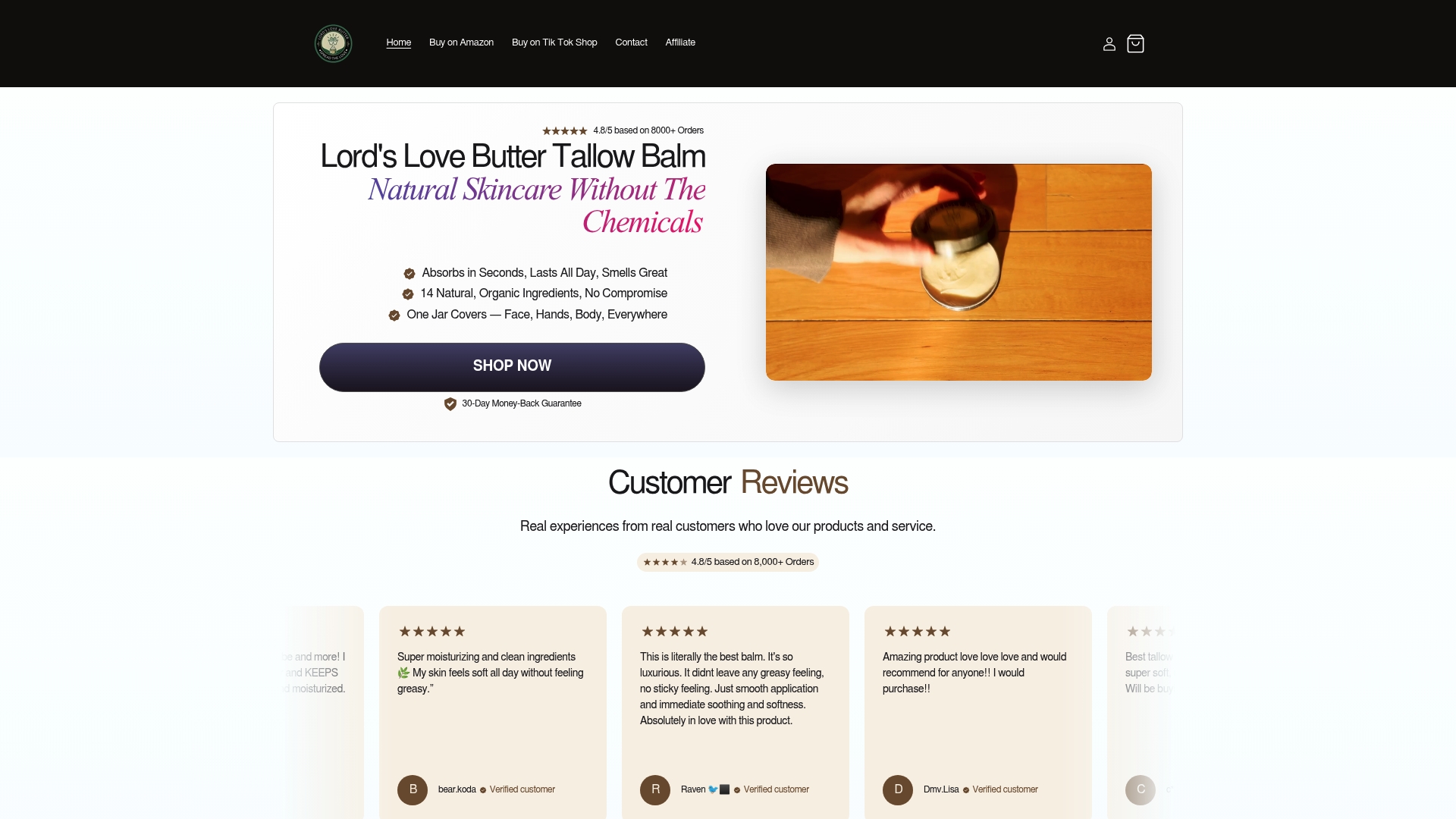
Lordslovebutter is a veteran-owned brand that keeps the formula chemical-free and designed for whole-body use. The whipped texture applies more evenly than raw tallow and absorbs without the heavy grease that puts many people off animal-based products. Customer feedback consistently points to improved skin texture within days on dry, irritated areas. If you are ready to try a tallow-based product that is processed with care and sourced responsibly, Lordslovebutter is a strong place to start.
FAQ
Does beef tallow actually stop itching?
Beef tallow relieves itching caused by dry skin by forming an occlusive barrier that slows moisture loss. It does not treat inflammation, allergies, or other underlying causes of itching.
Is beef tallow safe for eczema?
Beef tallow carries risk for eczema-prone skin because oleic acid can increase transepidermal water loss and worsen symptoms. Patch testing and dermatologist guidance are recommended before use.
How often should you apply beef tallow for dry, itchy skin?
Start with once per week on a small area, then increase frequency only if your skin responds well with no redness or increased irritation.
Can beef tallow clog pores?
Yes. Beef tallow is highly comedogenic and can clog pores, trigger acne, and worsen rosacea, particularly on facial or oily skin.
Is beef tallow better than shea butter for itching?
Shea butter offers comparable occlusive and emollient benefits with a lower risk of pore clogging and a better-documented safety profile, making it a safer choice for most skin types.

